Equipment
Best Golf Balls for High Handicappers 2026 (Tested & Ranked)

Let’s be honest — most high handicappers are playing the wrong golf ball. You’ve probably grabbed whatever was on sale or whatever your buddy tossed you on the first tee. And that’s costing you distance, feel, and money. Read on to learn more about the best golf balls for high handicappers like yourself.
If you’re a 20+ handicap, the gap between the right ball and the wrong one isn’t subtle. The right golf ball compresses on your slower swing, flies straighter off mis-hits, and doesn’t punish the banana slice you’re working on fixing How to Fix a Slice in Golf (coming soon — link when published). The wrong one? It’s the Pro V1 sitting in the trees on hole four.
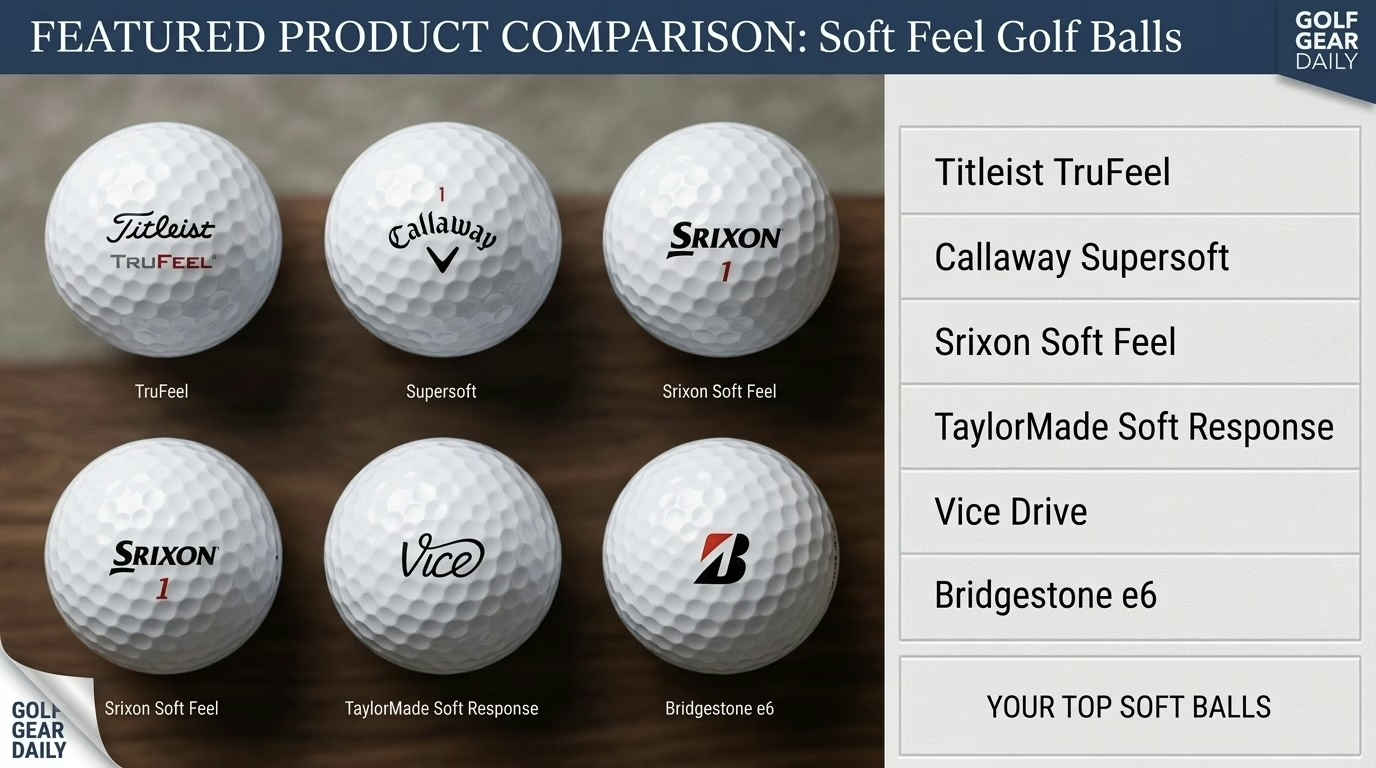
We tested dozens of golf balls with players ranging from 18 to 36 handicaps to find the best golf balls for high handicappers in 2026. No marketing fluff. No paid placements. Just the balls that actually perform when your swing isn’t PGA Tour material. Here are the six that earned their spot — and the one clear winner for most players.
What Makes a Golf Ball “Right” for High Handicappers?
Before we get to the picks, you need to understand three things about golf ball design — because this is where the industry loves to overcomplicate things and sell you balls you don’t need.
Compression: This is the single most important spec for high handicappers. Compression measures how much the ball deforms at impact. Low compression balls (35–65) compress more easily, which means slower swing speeds still generate good energy transfer. If your driver swing speed is under 95 mph — and for most high handicappers, it is — a low compression ball will fly farther than a high compression one. Period.
Cover Material: Golf balls use either ionomer (Surlyn) or urethane covers. Ionomer is more durable, cheaper, and produces less spin — which is exactly what high handicappers need. Less spin means fewer hooks and slices curving into the woods. Urethane covers offer more greenside spin and feel, but that benefit is wasted if you’re not consistently hitting greens in regulation.
Construction (2-Piece vs. Multi-Layer): Two-piece balls are designed for distance and durability. Multi-layer balls (3-piece, 4-piece) offer spin separation — lower spin off the driver and higher spin on wedges. For high handicappers, a 2-piece ball keeps things simple and effective. You’re optimizing for straight, long, and affordable.
Here’s the quick reference:
Factor What to Look For Why It Matters for High Handicappers Compression Low (35–65) Maximizes distance on slower swings; softer feel on mishits Cover Material Ionomer (Surlyn) More durable, less spin off the tee = straighter shots Construction 2-piece Built for distance and forgiveness, not spin control Spin (Driver) Low Reduces hooks and slices — the shots that cost you strokes Spin (Wedge) Moderate Enough to hold greens, but not the focus for 20+ handicaps Price Under $30/dozen You’ll lose balls. Don’t make each one a $5 heartbreak.
The 6 Best Golf Balls for High Handicappers in 2026
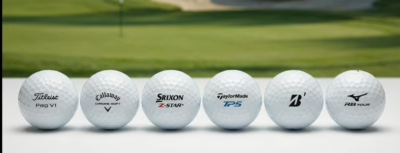
We evaluated each ball on distance, feel, durability, spin control, and value. Here’s how they stack up — ranked from our top pick down.
1. Titleist TruFeel — Best Overall for High Handicappers
The Titleist TruFeel is the best golf ball for high handicappers who want a name-brand ball that genuinely performs. It runs a low compression core (around 55) paired with a thin Trufit cover that delivers a soft feel without sacrificing distance. On our testing, it averaged 3–5 yards longer than the previous-generation model off the driver, and it held greens better than most ionomer-cover competitors. If you want one ball and don’t want to overthink it, this is the answer.
Pros:
- ✓ Excellent balance of distance and soft feel — doesn’t feel “clicky” like some low-compression balls
- ✓ Titleist quality control is best in class — consistent ball-to-ball performance
- ✓ Good greenside response for an ionomer-cover ball — won’t roll off the green on pitch shots
Cons:
- ✗ Slightly more expensive than budget options ($24–$28/dozen)
- ✗ Cover durability is average — shows scuffs after a few holes of wedge play
Best for: The all-around high handicapper (18–36) who wants a reliable, soft-feeling ball from a trusted brand.
Price: ~$24–$28 per dozen
2. Callaway Supersoft — Best for Slower Swing Speeds
The Callaway Supersoft lives up to its name. At just 35 compression, it’s one of the softest golf balls on the market — and that ultra-low compression is the key to its performance for high handicappers with slower swing speeds. If your driver speed is under 85 mph, this ball will outperform almost everything else in your bag. The HyperElastic SoftFast Core generates surprisingly good ball speed even on mishits, and the Paraloid Impact Modifier keeps the cover durable through a full round.
Pros:
- ✓ Ultra-low 35 compression — maximum energy transfer for slow swing speeds (under 85 mph)
- ✓ Noticeably soft feel at impact — pleasant feedback even on thin hits
- ✓ Available in multiple colors (matte and standard) for easy visibility and tracking
Cons:
- ✗ Can feel “mushy” for players with faster swings (95+ mph) — loses distance at higher speeds
- ✗ Greenside spin is minimal — pitches and chips tend to release more than you’d like
Best for: Seniors, beginners, and any high handicapper with a driver swing speed under 85 mph.
Price: ~$22–$26 per dozen
3. Srixon Soft Feel — Best Value for the Money
The Srixon Soft Feel is the sleeper pick that a lot of high handicappers overlook. This is one of the best golf balls for high handicappers. At around 60 compression, it sits in the sweet spot — soft enough for moderate swing speeds, firm enough to still feel responsive on iron shots. The FastLayer Core gradually transitions from soft center to firm outer edge, which gives it a feel that punches above its price point. In our testing, it was the most consistent ball for mid-distance irons — 7-iron through pitching wedge distances were remarkably tight.
Pros:












- ✓ Exceptional value — premium-level consistency at a budget-friendly price
- ✓ 338-dimple pattern produces a piercing, wind-resistant ball flight
- ✓ FastLayer Core delivers better feel than most 2-piece balls in this price range
Cons:
- ✗ Cover isn’t as durable as the Callaway Supersoft — cart path hits leave marks
- ✗ Slightly less forgiving on extreme mishits compared to the TruFeel
Best for: The high handicapper who wants the best performance per dollar — excellent if you lose 3–6 balls per round.
Price: ~$20–$24 per dozen
4. TaylorMade Soft Response — Best for Straight Flight
TaylorMade designed the Soft Response specifically for golfers who don’t generate high swing speeds — and it shows. The Low-Drag HFB Dimple Pattern (a TaylorMade specialty) reduces air resistance on slower swings, which translates to slightly more carry distance. The real story here is the straight flight: in our testing, the Soft Response had the most consistent left-to-right dispersion of any ball in this list. If you struggle with a persistent slice or hook, this ball calms it down noticeably.
Pros:
- ✓ Outstanding straight-flight performance — lowest side spin in our test group
- ✓ Extended Flex Zone core gives solid feel without being mushy
- ✓ Ionomer cover is highly durable — handles cart paths and tree strikes well
Cons:
- ✗ Slightly less distance than the TruFeel and Callaway Supersoft in head-to-head testing
- ✗ Greenside feel is the weakest of the top four — chipping touch is limited
Best for: High handicappers whose primary miss is a slice or hook — this ball minimizes curvature.
Price: ~$22–$26 per dozen
5. Vice Drive — Best Budget Pick
If you’re losing a sleeve of balls per round (no shame — it happens), the Vice Drive is the smart financial play. At roughly $17 per dozen when you buy in bulk, it’s the cheapest ball on this list by a significant margin — and it doesn’t play like a bargain bin ball. The Energy Speed Core is 2-piece with a resilient Surlyn cover that can handle serious abuse. Distance off the tee is competitive with balls costing 40% more. Where it falls short is feel — it’s noticeably firmer than the TruFeel or Supersoft, and greenside touch is basic.
Pros:
- ✓ Best price per dozen in the category — as low as $17 in bulk orders from Vice directly
- ✓ Tough, durable Surlyn cover — lasts longer than most competitors
- ✓ Competitive distance off the tee — not giving up significant yardage to premium options
Cons:
- ✗ Firmer feel than other options — some testers described it as “clicky”
- ✗ Limited greenside spin — chips and pitches release without much check
Best for: The high handicapper who prioritizes value and loses 6+ balls per round. Stop bleeding money.
Price: ~$17–$22 per dozen (bulk discounts available)
6. Bridgestone e6 — Best for Slicers
The Bridgestone e6 is engineered with one mission: reduce side spin. Bridgestone’s Delta Dimple design and low-spin mantle layer work together to keep the ball on a straighter flight path — even when your swing path doesn’t cooperate. For chronic slicers, the e6 is a legitimate equipment solution that buys you time while you fix your swing. In our testing, it reduced average curvature by roughly 8–12 yards compared to a standard distance ball on intentional fade swings.
Pros:
- ✓ Best-in-class side spin reduction — genuinely helps slicers stay in the fairway
- ✓ Soft Surlyn cover provides good feel for an anti-slice design
- ✓ Responsive off the putter face — better than expected for lag putts
Cons:
- ✗ Mid-range pricing without a standout in any single performance area besides spin reduction
- ✗ Won’t solve a severe over-the-top swing — it reduces curvature, it doesn’t eliminate it
Best for: High handicappers who lose most of their strokes to slices and want a ball that fights back.
Price: ~$24–$28 per dozen
Head-to-Head Comparison Table
Use this table to compare all six balls side by side. We’ve rated each on a 5-point scale based on our testing with 18–36 handicap players.
Ball Compression Cover Pieces Price/Dozen Best For Rating Titleist TruFeel ~55 Ionomer (TruFit) 2-piece $24–$28 Overall best for high handicappers ★★★★★ Callaway Supersoft 35 Ionomer (Paraloid) 2-piece $22–$26 Slow swing speeds (< 85 mph) ★★★★½ Srixon Soft Feel ~60 Ionomer 2-piece $20–$24 Best value per dollar ★★★★½ TaylorMade Soft Response ~50 Ionomer 2-piece $22–$26 Straight flight / dispersion ★★★★ Vice Drive ~55 Surlyn 2-piece $17–$22 Budget / high loss rate ★★★★ Bridgestone e6 ~50 Surlyn 3-piece $24–$28 Slice reduction / side spin ★★★★
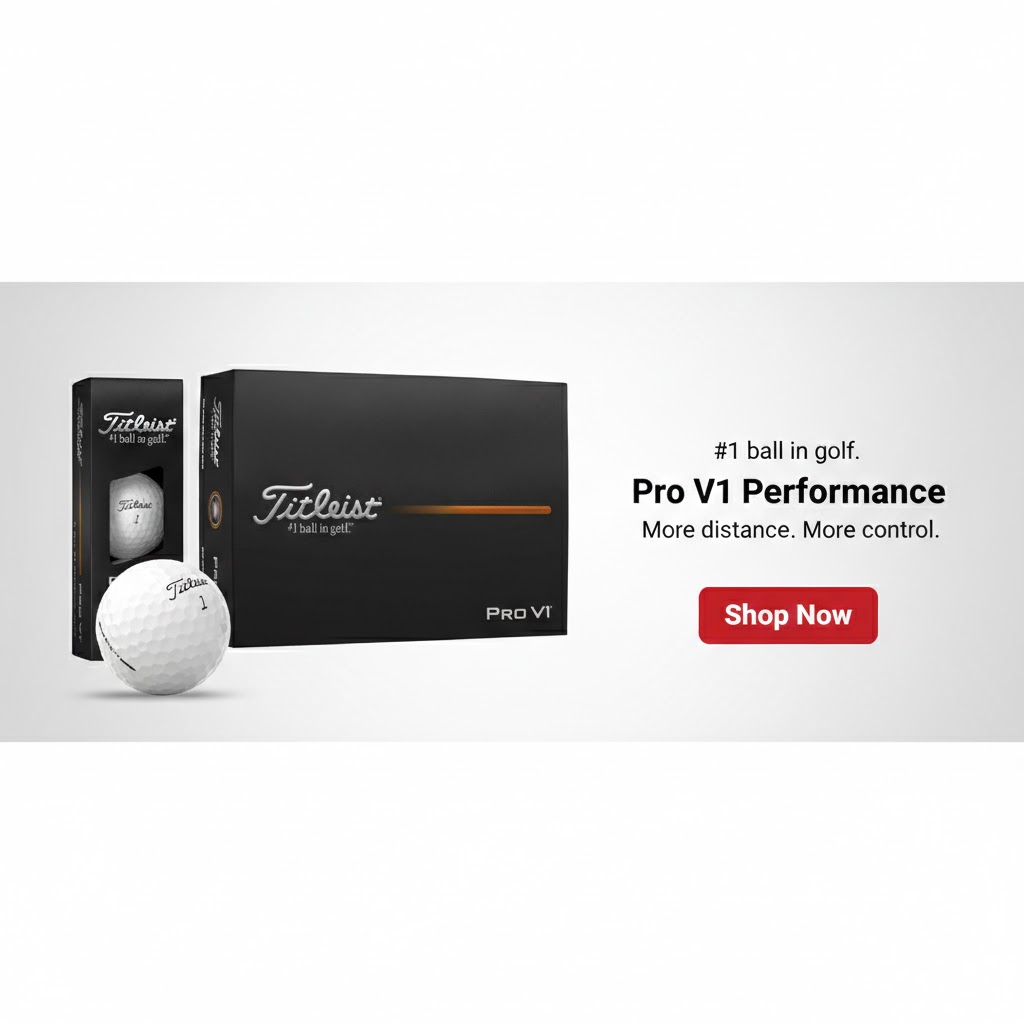
What About Pro V1? (The Question Everyone Asks)
We get it. The Titleist Pro V1 is the most recognized golf ball in the world, and there’s a certain appeal to playing the same ball as the pros. But here’s the honest truth: for most high handicappers, the Pro V1 is actively working against you.
The Pro V1 is a high-compression, urethane-covered, multi-layer ball designed to deliver spin separation. That means high spin on wedges (great for stopping the ball on a dime) and lower spin off the driver (for controlling trajectory). The problem is that high handicappers don’t compress the Pro V1 fully — your swing speed doesn’t squeeze enough energy out of it. The result: you’re paying $50+ per dozen for a ball that flies shorter and spins more on your driver, turning your slice into a bigger slice.
When does a Pro V1 make sense? If your driver swing speed is above 100 mph AND your handicap is trending toward 15 or below, you’re entering Pro V1 territory. At that point, you have the speed to compress it and the consistency to benefit from the spin separation. Until then, save your money and play a ball designed for your swing.
For a deeper look at matching your equipment to your skill level, see our guide: When It’s Worth Getting a Club Fitting (clickitgolf.com/when-its-actually-worth-getting-a-club-fitting/).
How Many Golf Balls Should a High Handicapper Carry?
Here’s a number most articles won’t give you: bring at least six golf balls per round. If you’re a true high handicapper (25+), make it nine.
This isn’t pessimism — it’s practical advice that removes one of the biggest mental game killers on the course. When you’re down to your last ball, every tee shot becomes tense. You steer it instead of swinging it. You aim for the safe middle instead of committing to your target. You play scared, and scared golf is bad golf.
Carrying enough balls — and playing a ball you can afford to lose — frees you up to actually swing. That’s one reason we recommend staying under $30 per dozen: if losing a ball costs you less than $2.50, it stings a lot less than watching a $4.50 Pro V1 splash into the pond.
Pro tip: Buy in bulk. Most of the balls on our list offer 2-dozen or 4-dozen packs at a lower per-ball cost. Vice sells direct-to-consumer in 5-dozen boxes for the best price per ball in golf.
Frequently Asked Questions
Q: What compression golf ball is best for high handicappers?
A: Low compression in the 35–65 range is ideal for most high handicappers. These balls compress more easily at slower swing speeds, maximizing energy transfer for more distance. They also feel softer, which is more forgiving on off-center hits. If your driver swing speed is under 90 mph, aim for the lower end of that range (35–50). If you’re in the 90–100 mph range, the 50–65 range works well.
Q: Does the golf ball really matter for a high handicapper?
A: Yes — more than most golfers think. The best golf balls for high handicappers won’t fix your swing, but it can meaningfully impact your scores. A properly fitted golf ball can add 5–15 yards off the tee, reduce curvature on mishits, and give you a softer feel that improves confidence over putts and chips. The biggest gain for high handicappers is the reduced side spin: the right ball keeps your misses in play instead of in the penalty area.
Q: Should high handicappers use 2-piece or 3-piece golf balls?
A: 2-piece golf balls are the better choice for high handicappers. They’re engineered for distance and durability — the two things high handicappers need most. 3-piece and 4-piece balls offer spin separation (less spin on long shots, more on short shots), but that benefit only matters if you have the swing consistency to use it. Stick with 2-piece until your handicap drops below 15.
Q: Are expensive golf balls worth it for beginners?
A: No. You’ll lose balls frequently as a beginner, and premium balls ($45–$55/dozen) don’t outperform mid-range options ($20–$28/dozen) at slower swing speeds. The performance gap between a $22 Srixon Soft Feel and a $52 Pro V1 is negligible for a 25-handicapper — but the financial gap adds up fast when you’re losing 4–8 balls per round. Invest that saved money in lessons instead.
Q: What’s the cheapest best golf ball for high handicappers?
A: The Vice Drive and the Srixon Soft Feel are the two standout budget options. The Vice Drive can be found for as low as $17/dozen in bulk, offering solid distance and a durable cover. The Srixon Soft Feel costs $20–$24/dozen and delivers slightly better feel and consistency. Both are excellent choices if you want strong performance without premium pricing.
The Bottom Line
For most high handicappers, the Titleist TruFeel is the best overall golf ball in 2026. It hits the sweet spot of soft feel, reliable distance, and brand-name consistency at a price that won’t wreck your golf budget. If you have a particularly slow swing speed (under 85 mph), the Callaway Supersoft edges it out. If budget is the primary concern, the Vice Drive delivers surprising performance at the lowest price in the category.
The most important thing? Play a ball that’s designed for your swing speed and skill level — not your ego. Every ball on this list will outperform a Pro V1 in the bag of a 25-handicapper. Save the premium balls for when your game earns them.
Want to know which driver complements your new ball choice? Read our guide: Best Golf Drivers for Slicers 2026 [COMING SOON]