Gear Intelligence
Golf Course Aesthetics: Exploring the Artistry of Manicured Landscapes
Imagine standing at the tee of a beautifully manicured golf course, gazing out across a landscape of rolling greens, sculpted bunkers, and artfully placed bodies of water.

The Intersection of Golf and Art: Viewing Golf Courses as Living Masterpieces
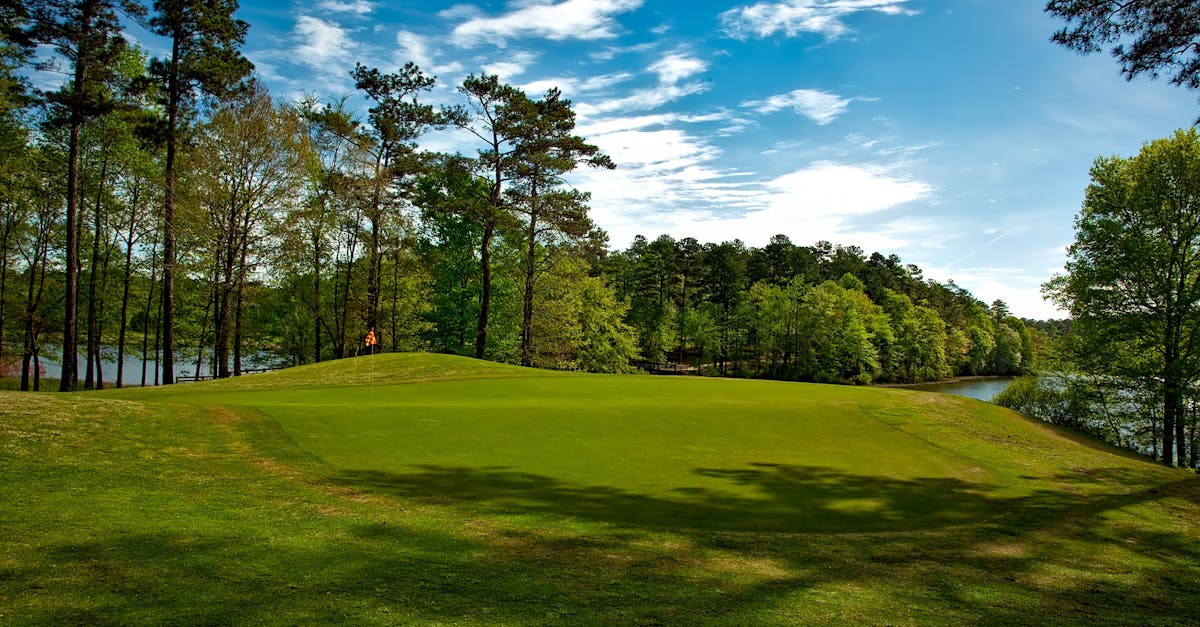
Imagine standing at the tee of a beautifully manicured golf course, gazing out across a landscape of rolling greens, sculpted bunkers, and artfully placed bodies of water. The course stretches out before you like a canvas, a living masterpiece of design and nature. This is where golf and art intersect, where the game becomes more than just a sport and the course becomes more than just a playing field. It is a crossroads where the beauty of nature and the aesthetics of design come together to create a truly unique experience.
Understanding Golf Courses as Works of Art
Golf courses are meticulously designed and maintained, with every element placed with purpose and intention. They are the result of careful planning, creative vision, and a deep understanding of both the game of golf and the principles of landscape design. In this way, they can be viewed as works of art, with the designer acting as the artist and the landscape serving as the canvas.
The Aesthetics of Golf Course Design
Golf course design is a subtle blend of art and science. Designers must consider a range of factors, including the natural features of the landscape, the skills and abilities of the players, and the overall aesthetic of the course.
Key elements of golf course design include:
- Landscape: The natural features of the landscape, including trees, water bodies, and elevation changes, are integral to the design of a golf course.
- Layout: The layout of a golf course is carefully planned to provide a balance of challenge and enjoyment for players.
- Hazards: Hazards, such as bunkers and water bodies, are strategically placed to add challenge and visual interest to the course.
- Green Complexes: These are the areas surrounding the putting surfaces. They include elements such as bunkers, mounds, and grassy hollows, all of which contribute to the aesthetic appeal and challenge of the course.
The Artistic Influence on Golf Courses
Many renowned golf course designers approach their work with an artist’s eye. They view the landscape as a blank canvas, using the natural features of the land and the principles of design to create an aesthetically pleasing and challenging course.
One of the most influential golf course designers, Alister MacKenzie, was actually a trained surgeon before he turned his hand to course design. His medical background gave him a unique perspective on the relationship between the human body and the landscape, and he used this knowledge to create courses that were both beautiful and challenging to play.
In his book, “The Spirit of St. Andrews,” MacKenzie wrote, “A golf course should be a beautiful place, so arranged that it pleases the eye and stimulates the mind, while the game itself brings the muscles into play.” This philosophy is evident in his designs, which are renowned for their natural beauty and strategic complexity.
Golf Course Design and Environmental Art
In recent years, there has been a growing recognition of golf course design as a form of environmental art. This is due to the increasing focus on sustainability and environmental conservation in the design and maintenance of golf courses.
An excellent example of this is the work of Bill Coore and Ben Crenshaw, who are known for their minimalist approach to course design. Their courses are designed to fit seamlessly into the natural landscape, with minimal alteration of the land. They use the existing topography and vegetation to create a course that is both challenging and visually stunning.
The Future of Golf Course Design
As we look to the future, the intersection of golf and art is set to become even more pronounced. With advances in technology, designers have increasingly sophisticated tools at their disposal, allowing for even greater creativity and innovation in course design.
At the same time, there is a growing emphasis on sustainability and environmental stewardship, with designers striving to create courses that are not only beautiful and challenging to play, but also in harmony with the natural environment.
In conclusion, golf courses are far more than just playing fields for a game. They are living canvases, where the artistry of design meets the beauty of nature. Whether you’re a golfer or not, the next time you step foot on a golf course, take a moment to appreciate the artistry and design that has gone into creating that space. It’s a testament to the incredible intersection of golf and art, and a reminder that sometimes, the crossroads of different worlds can create something truly beautiful.