Performance Lab
Legendary Golf Coaches and Their Signature Teaching Techniques
A Deep Dive into the Art of Golf Coaching. There are few sports as mentally challenging and technically nuanced as golf.

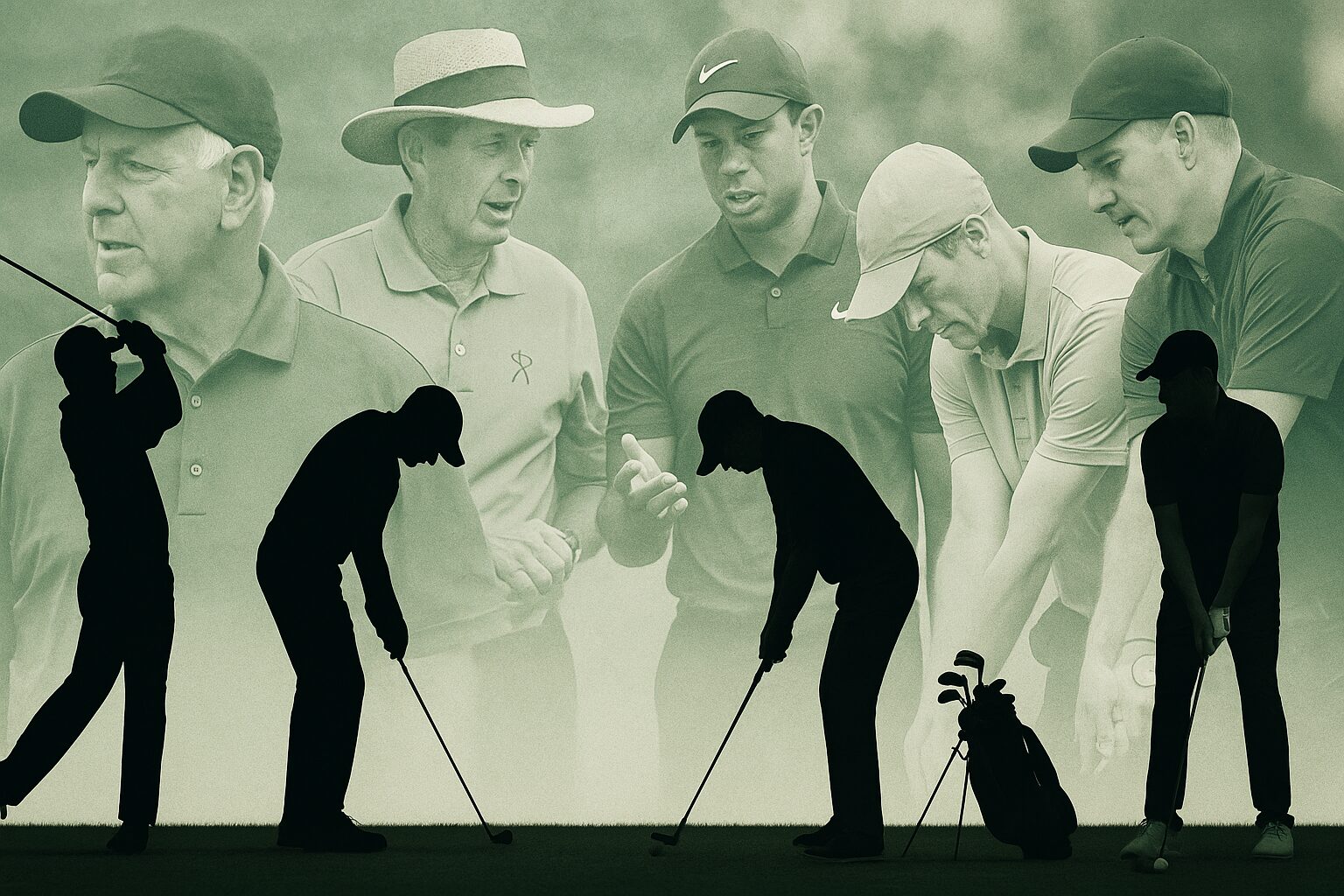
There are few sports as mentally challenging and technically nuanced as golf. The game demands a unique blend of physical precision, mental resilience, and strategic insight. As such, the role of a golf coach extends far beyond mere swing mechanics and course management. They also play a crucial part in shaping the mindset and overall approach of the player. In this comprehensive exploration, we delve into the profound impact that legendary golf coaches have had on the sport, highlighting their signature teaching styles that have produced world-class golfers and changed the face of golf across generations.

Butch Harmon: The Guru of Simplification
Butch Harmon is a name that resonates with any serious golf enthusiast. Known for his work with Tiger Woods, Phil Mickelson, and Greg Norman, Harmon’s coaching style is characterized by its simplicity. He focuses on making the swing as effortless as possible, keeping technical jargon to a minimum and emphasizing feel and natural movement. His approach has proven successful, with his students winning numerous major championships.

David Leadbetter: The Technician
David Leadbetter, renowned for his work with Nick Faldo, is often considered a technician in golf coaching. He pays great attention to minute details of the swing, believing that consistency and efficiency come from mastering the fundamentals. Leadbetter introduced the “A Swing,” a technique designed to simplify the golf swing while increasing efficiency and reducing strain on the body.

Hank Haney: The Strategist
Best known for his six-year coaching tenure with Tiger Woods, Hank Haney is a strategist at heart. Haney emphasizes the importance of course management and strategic decision-making, helping players choose the best shot for any given situation. His teaching style aims to help players understand their strengths and weaknesses, thereby maximizing scoring opportunities on the course.

Sean Foley: The Modernist
Sean Foley represents a new wave of golf coaching, blending traditional golf instruction with modern technology. Notably, he uses advanced tools like 3D motion analysis and Trackman to provide detailed feedback on swing mechanics. Foley, who has worked with players like Justin Rose and Tiger Woods, believes in a holistic approach, incorporating physical fitness and mental preparation into his coaching regimen.
Pete Cowen: The Philosopher
Pete Cowen, known for his work with major winners like Brooks Koepka and Graeme McDowell, approaches golf coaching from a philosophical perspective. Cowen’s teaching style emphasizes the importance of mental strength, discipline, and a strong work ethic. He believes in building a solid foundation, focusing on short game and wedge play, and then working up to full swings.
Legendary golf coaches like Butch Harmon, David Leadbetter, Hank Haney, Sean Foley, and Pete Cowen have left an indelible mark on the sport. Their unique teaching styles, whether it be simplification, technical precision, strategic insight, technological innovation, or philosophical approach, have helped shape the careers of many world-class golfers. Aspiring golfers and coaches can learn a great deal from their methodologies, applying these lessons to improve their own game or coaching style. After all, golf is not just about the swing; it’s about the approach, both on and off the course.