Game Improvement
The Ultimate Spring Golf Checklist: 10 Things to Do Right Now

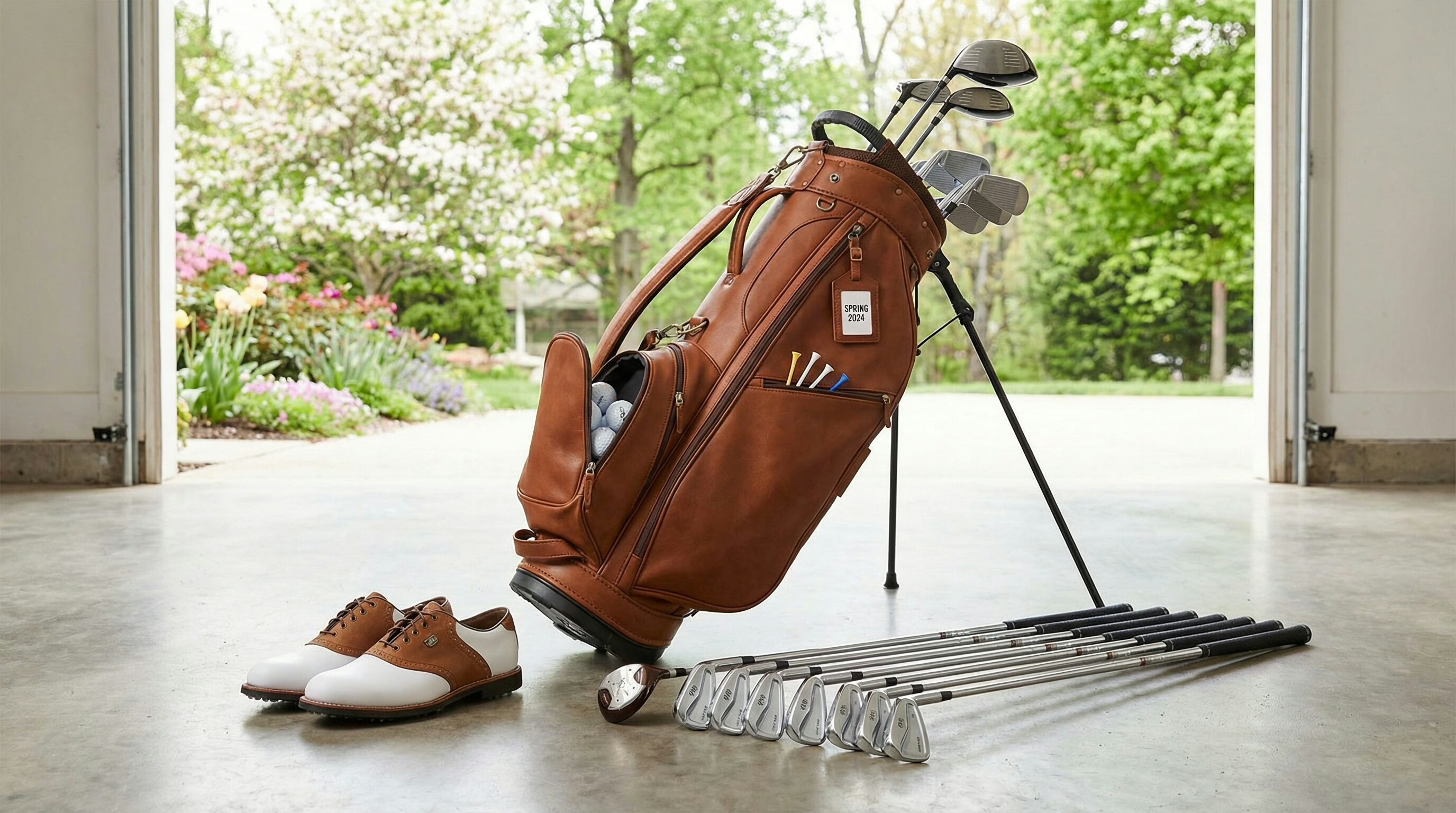
First round of the year. No spring golf checklist in hand, no prep work done. You step up to the tee, feeling the sun for the first time in months. You take a mighty hack and… top it 50 yards into the fescue.
Sound familiar? We’ve all been there. The first round back is a special kind of terrible. It’s a mix of rust, optimism, and a harsh dose of reality.
But it doesn’t have to be that way. A little prep work goes a long way. Here’s my personal spring golf checklist to make sure your first round back is a good one.
Why Every Golfer Needs a Spring Golf Checklist
That first round is a shock to the system. Your body forgot how to make a full turn, your hands feel like they’re holding a foreign object, and your brain has completely erased any concept of tempo.
I used to just show up to the course, expecting to pick up where I left off. It was a disaster every single time. My first round score was always something I’d delete from my handicap app out of pure shame.
The fix isn’t to grind for hours. It’s about easing back in and checking your equipment and expectations before you even think about posting a score.
Check Your Gear Before You Touch a Club
Before you swing anything, dump your bag out on the garage floor. Seriously. You’ll be amazed at the junk that’s been living in there since October.
Throw out the old scorecards, the petrified granola bars, and that one golf ball you found in the woods that looks like it was run over by a lawnmower. Give your clubs a wipe-down. Check your shoes for worn-out spikes.
This isn’t just about being tidy. It’s a mental reset. You’re getting your gear in order, which helps get your mind in order.
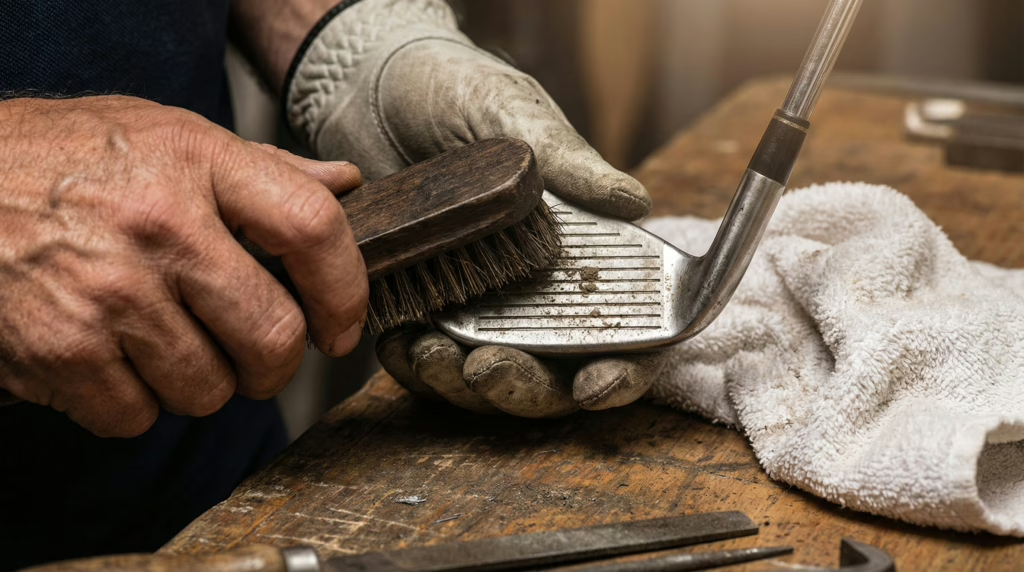
Regrip at Least One Club (You Know Which One)
Your grips are probably slicker than you remember. If you can’t afford to regrip the whole set, at least do your driver or your most-used wedge. A fresh grip is the cheapest game-improvement device on the market.
For years, I played with grips that were basically hard plastic. My hands would slip, I’d tense up, and the ball would go anywhere but straight. Don’t be like me. A good grip is your only connection to the club, so make it a secure one.

Book a Short Range Session, Not 18 Holes
Your first time hitting balls shouldn’t be on the first tee. Go to the range with a small bucket and a plan. Don’t just whale away with your driver.
Start with half-swings with a wedge. Feel the contact. Gradually work your way up to full swings and longer clubs. The goal here isn’t to hit perfect shots; it’s to re-establish a feel for the club and your swing.
End the session with the club you plan to hit off the first tee. Hit five good ones in a row and then walk away. Leave on a high note.

Stretch More Than You Think You Need To
Your “golf muscles” have been hibernating. If you go from the couch to a full-speed driver swing, you’re asking for an injury. I learned this the hard way with a strained back that cost me the first month of the season a few years back.
Do some basic dynamic stretching before your range session and before your first round. Focus on your hips, shoulders, and thoracic spine (your mid-back). Check out some golf-specific routines online; our friends have a great guide to golf fitness that has some solid ideas.
A few minutes of stretching is better than a few weeks of being sidelined.

Spring Golf Checklist: Your Bag Setup
Take a look at what’s actually in your bag. Do you have a fresh glove? Enough tees? A ball marker that isn’t a rusty quarter?
Most importantly, check your golf balls. Are you playing the right golf ball for your game, or just whatever you found last year? Starting the season with a consistent model of ball is a simple way to remove a variable.
These small things are easy to overlook, but they’re exactly why a spring golf checklist exists.
Play a Practice Round, Not a Scorecard Round
Your first 18 holes should be a practice round. Leave the scorecard in the car. The goal is to get a feel for the course and your game, not to post a number.
Hit a few extra chips around the green. Drop a second ball in the fairway and try a different shot. If you hit one in the woods, just drop one back in play instead of taking a penalty and getting frustrated. This is a no-stress recon mission.
Spring Golf Checklist: Reset Your Course Management Strategy
Your game in April is not your game from last August. You’re probably not hitting it as far, and your short game is likely rusty. Adjust your strategy accordingly.
Don’t try to carry that fairway bunker you cleared easily last season. Aim for the middle of the green instead of flag-hunting. Good course management is about playing the game you have today, not the one you wish you had.
Update Your Handicap Index
If you haven’t posted a score in a few months, your handicap might not be an accurate reflection of your current game. It’s okay. The system is designed to adjust.
Start posting your scores—even the bad ones. An accurate handicap is crucial for fair games with your buddies and for tracking your progress. It’s a tool, not a judgment.
The Last Item on Your Spring Golf Checklist: One Goal (That Isn’t ‘Break 80’)
“Break 80” is a terrible goal. It’s a score, not a process. And it puts way too much pressure on every single round.
Instead, set a process-oriented goal. Something like: “I will have a pre-shot routine for every full swing,” or “I will eliminate three-putts by focusing on my lag putting.” These are things you can actually control. The scores will follow.
My goal this year? To actually write down my stats after every round. It’s boring, but it’s the only way to know what I actually need to practice. Work through this spring golf checklist before your first round and you’ll show up ready and not rusty.
Related reading:
•Best Golf Balls for Average Golfers
•Golf Fitness for the Off-Season
•Course Management 101: How to Think Your Way to a Lower Score