Entertainment
The Etiquette Guide Every Golfer Needs (But Nobody Teaches)
Learn golf etiquette in this friendly, non-judgmental guide. From tee box behavior to pace of play, discover the unwritten rules that make golf enjoyable for everyone.


Let me tell you about my first round of golf on a real course. I was nervous, excited, and completely clueless about the unwritten rules of the game. I didn’t know when to walk, when to talk, or where to stand. I felt like everyone was watching me, judging my every move. Looking back, most of that anxiety was in my head, but I wish someone had pulled me aside and explained the basics in a friendly, non-judgmental way. That’s exactly what I’m going to do for you today. Consider this your friendly guide to golf etiquette—the stuff that makes the game more enjoyable for everyone, including you.
Why Golf Etiquette Actually Matters
Golf etiquette isn’t about being stuffy or following arbitrary rules from some country club handbook. It’s about three simple things: keeping the game moving, showing respect for your fellow golfers, and taking care of the course so the next group can enjoy it too. That’s it. When everyone follows these basic principles, golf becomes more fun, less stressful, and way more welcoming for players of all skill levels.
Here’s the truth: nobody expects you to be perfect, especially if you’re new to the game. We’ve all been beginners. We’ve all hit bad shots, lost balls, and felt overwhelmed by the pace of play. What matters is that you’re making an honest effort to be considerate and keep things moving. That’s the spirit of golf etiquette, and it’s something anyone can do regardless of their handicap.

Tee Box Etiquette: Starting Your Round Right
The tee box is where every hole begins, and it sets the tone for the entire experience. The first rule is simple: whoever had the best score on the previous hole gets “honors” and tees off first. On the first tee, you can decide honors by flipping a tee or just agreeing on an order. It’s not a big deal—just pick something and stick with it for the round.
While someone is teeing off, stand quietly to the side or behind them. You don’t need to be silent like you’re in a library, but avoid talking, moving around, or standing directly in their line of sight. It’s just common courtesy. Once they’ve hit their shot, feel free to offer a quick compliment if it was a good one, or a supportive “you’ll get the next one” if it wasn’t. Golf is hard, and a little encouragement goes a long way.
One more thing about the tee box: be ready when it’s your turn. Have your club selected, your ball teed up, and your glove on. You don’t need to rush, but you also don’t want to be fumbling around while everyone waits. Think of it like being ready to order when it’s your turn at a coffee shop—just a little preparation that keeps things flowing smoothly.
Fairway and Green Behavior: Respect and Awareness
Once you’re off the tee, the key to good etiquette is awareness. Pay attention to where other players are and what they’re doing. If someone is hitting a shot, pause and give them space. If you’re looking for a lost ball, don’t spend more than a couple of minutes searching—the rules allow three minutes, but honestly, if you haven’t found it in two, it’s time to drop another ball and keep moving.
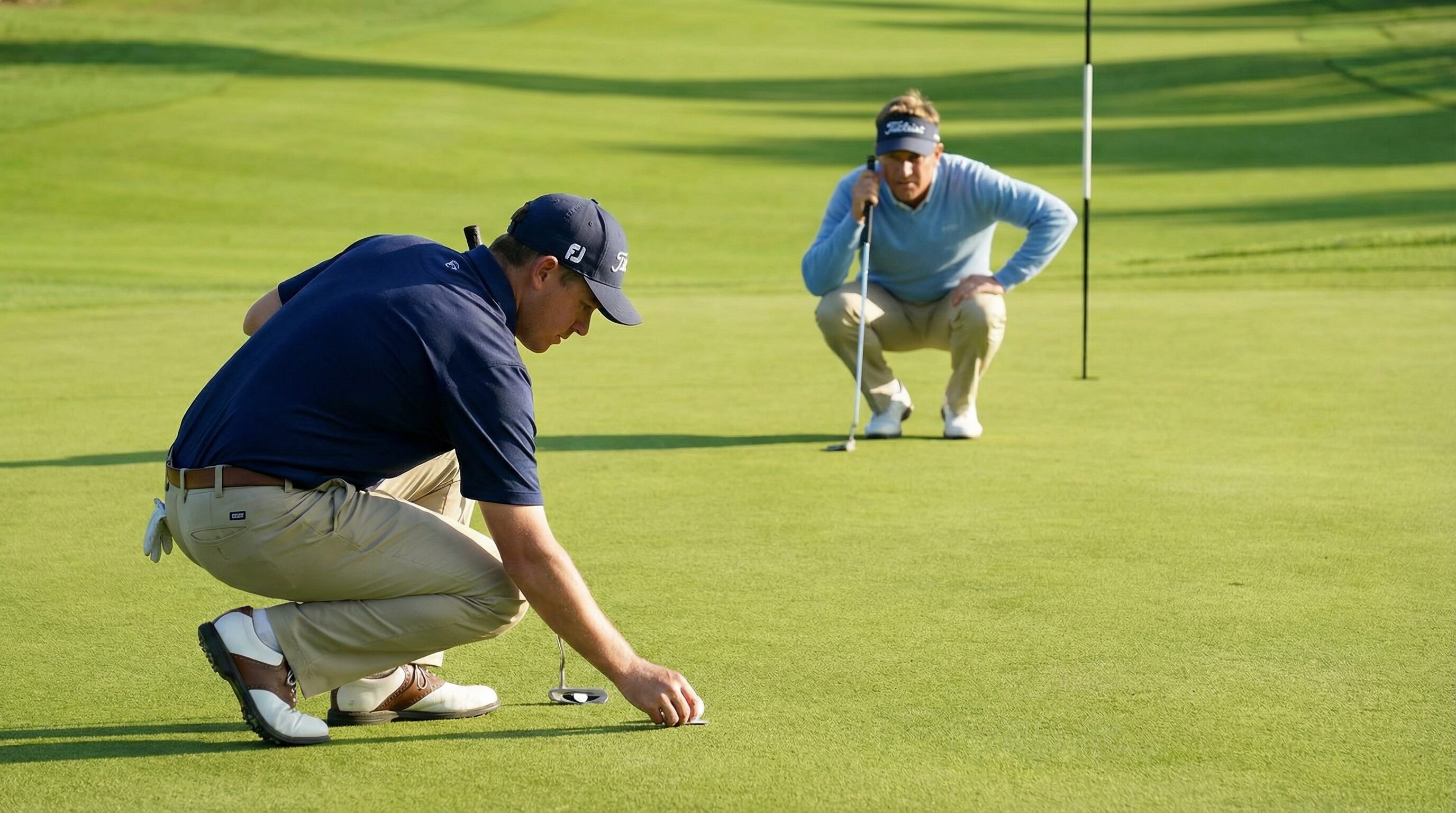
When you get to the green, that’s where things can feel a bit more formal, but it doesn’t have to be intimidating. The basic principle is to avoid stepping on someone else’s putting line—the imaginary path between their ball and the hole. Walk around it, not through it. If you’re not sure where their line is, just ask. Nobody will mind.
Mark your ball with a small coin or ball marker when you’re on the green, especially if it’s in someone else’s way. This is just good manners and helps everyone see their lines clearly. And when you’re done with the hole, replace the flagstick carefully and move off the green promptly. The next group is probably waiting, and they’ll appreciate you keeping things moving.













Cart and Course Care: Leave It Better Than You Found It
If you’re using a golf cart, follow the cart path rules posted at the course. Some days it’s “cart path only,” which means you drive on the path and walk to your ball. Other days you might have “90-degree rule,” where you can drive out to your ball but must return to the path at a right angle. These rules exist to protect the course, especially when it’s wet or the turf is stressed.
Course care is one of those things that separates thoughtful golfers from careless ones. Always replace your divots—those chunks of grass you take out when you hit a shot. Most courses provide a sand-and-seed mixture in the carts, or you can replace the actual piece of turf if it came out cleanly. Either way, take five seconds to fix it. The next golfer who lands in that spot will thank you.
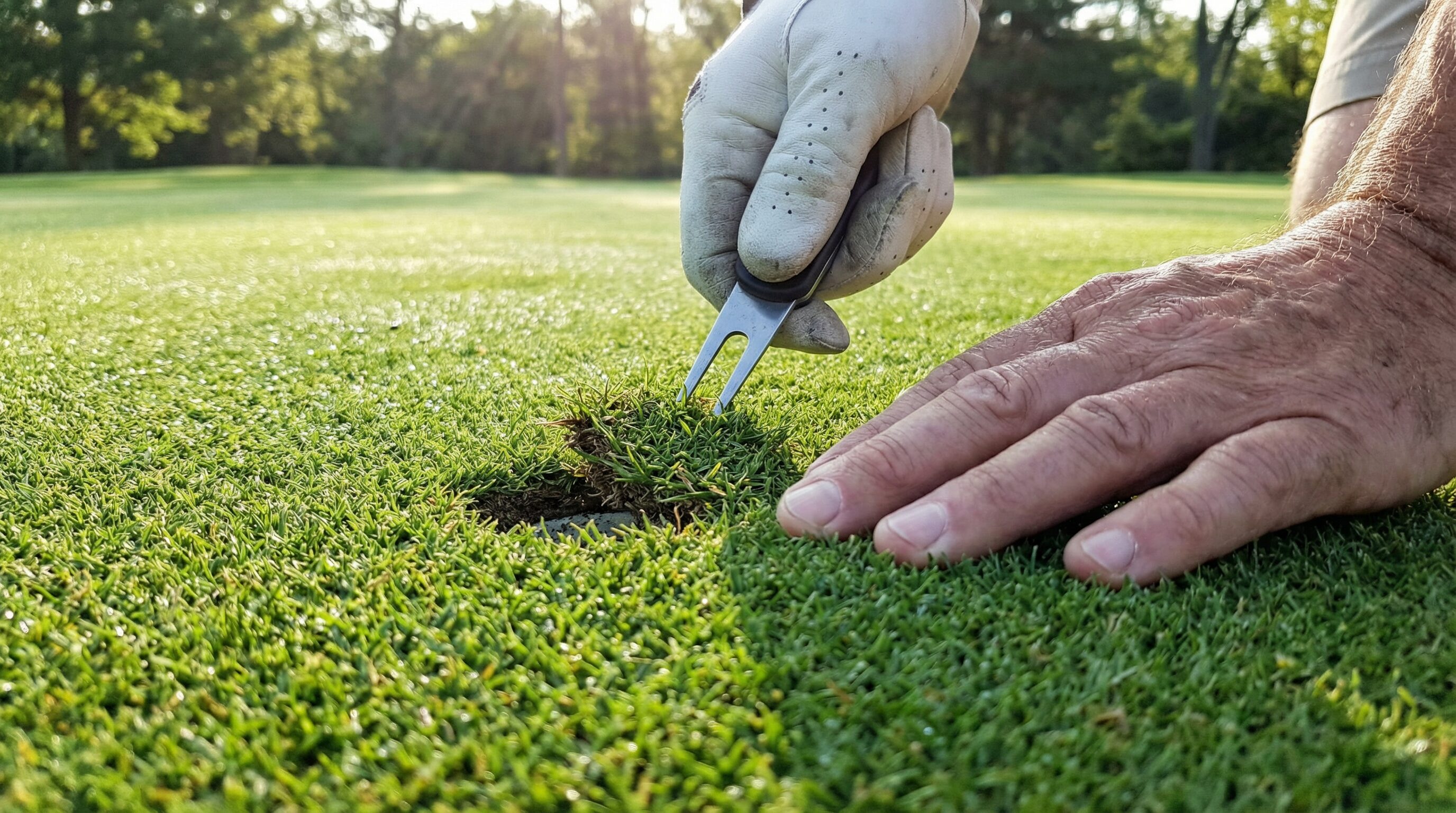
On the greens, repair your ball marks. When your ball lands on the green, it often leaves a small indentation. Use a divot repair tool (or a tee in a pinch) to gently lift the turf back to level. This takes about ten seconds and makes a huge difference in the quality of the greens. If you see another ball mark nearby, fix that one too. It’s good karma, and it helps the course stay in great shape.
Pace of Play: The Golden Rule of Golf
Let’s talk about the elephant on the course: pace of play. This is the number one complaint among golfers, and it’s also the most misunderstood aspect of etiquette. Here’s the deal: you don’t need to play fast, but you do need to play efficiently. There’s a difference.
Playing efficiently means being ready when it’s your turn, making decisions quickly, and not wasting time between shots. It means walking with purpose, not dawdling. It means having a plan for your shot before you get to your ball. You can still take your time over the ball and make a good swing—nobody is asking you to rush that part. But everything else should keep moving.
If you’re playing slower than the group behind you and there’s open space in front of you, it’s courteous to let them play through. This isn’t an admission of failure or a sign that you’re a bad golfer. It’s just being considerate. Wave them up, step aside, and let them pass. They’ll appreciate it, and you’ll feel less pressure to hurry. It’s a win-win.
One practical tip: if you’re new to golf or still learning, consider playing from the forward tees. This makes the course shorter and easier, which naturally speeds up play. There’s no shame in this—it’s actually the smart move. You’ll have more fun, hit more greens, and keep pace with the group in front of you.
Bunker Etiquette: Rake Your Mess
When you hit out of a bunker, always rake your footprints and the area where you took your swing. The rake is usually nearby, either in the bunker or just outside it. This takes about fifteen seconds and ensures the next golfer doesn’t have to deal with your mess. Enter the bunker from the low side when possible, take your shot, rake thoroughly, and exit. Simple as that.
Some golfers debate whether the rake should be left in the bunker or outside it. Honestly, it varies by course, and there’s no universal rule. Just put it back where you found it or in a spot that makes sense. The important thing is that you used it.
Sound and Distractions: Keep It Chill
Golf is a game that requires concentration, so be mindful of noise. You don’t need to whisper, but avoid loud conversations, phone calls, or music when others are hitting. If you want to listen to music in your cart, keep it low enough that it doesn’t carry to other groups. And please, put your phone on silent. Nobody wants to hear your ringtone echo across the fairway.
That said, golf is also a social game. Enjoy the company of your playing partners. Share a laugh, tell a story, celebrate good shots. Just be aware of timing. There’s a time for conversation and a time for quiet focus. You’ll figure out the rhythm pretty quickly.

What to Do When You Make a Mistake
Here’s the most important thing I can tell you: everyone makes etiquette mistakes. You’re going to forget to replace a divot, accidentally step on someone’s line, or take too long on a shot. It happens. When it does, just apologize briefly and move on. Nobody is keeping score of your etiquette errors, and most golfers are incredibly forgiving, especially if they see you’re making an effort.
If someone corrects you or offers advice about etiquette, don’t take it personally. They’re trying to help, not criticize. Say “thanks for letting me know” and adjust your behavior. That’s how we all learn. I’ve been playing for years, and I still pick up new etiquette tips from time to time. It’s part of the game.
The Spirit of Golf Etiquette
At its core, golf etiquette is about kindness and consideration. It’s about recognizing that you’re sharing the course with other people who love this game as much as you do. It’s about leaving the course in good shape for the next group. It’s about keeping the game moving so everyone can enjoy their round. And it’s about creating an environment where golfers of all skill levels feel welcome and respected.
You don’t need to memorize a hundred rules or stress about doing everything perfectly. Just focus on being considerate, staying aware of your surroundings, and making an honest effort to follow the basics. That’s ninety percent of golf etiquette right there. The rest you’ll pick up naturally as you play more rounds and observe other golfers.
A Final Word for New Golfers
If you’re new to golf, please don’t let etiquette anxiety keep you off the course. Yes, there are unwritten rules, but they’re not complicated, and they’re not designed to exclude you. They exist to make the game better for everyone. Most golfers are incredibly welcoming and happy to see new people taking up the game. If you’re making an effort to be respectful and keep pace, you’re doing just fine.
Bookmark this guide and review it before your next round. Bring a divot tool and a ball marker. Be ready when it’s your turn. Fix your ball marks. Rake your bunkers. Keep moving. That’s the foundation of good golf etiquette, and it’s something anyone can do.
Golf is a wonderful game with a rich tradition of respect and sportsmanship. By following these simple guidelines, you’re not just being a good playing partner—you’re becoming part of that tradition. And that’s something to be proud of. Now get out there and enjoy your round. We’ll see you on the course.