Competitive Edge
How to Play in the Wind: A Hacker’s Survival Guide
Learn how to play better golf in windy conditions with this practical guide. Discover club selection, ball flight control, and course management strategies to lower your scores when the wind picks up.


There’s nothing quite like showing up to the course with high hopes for a great round, only to be greeted by howling winds that turn your normally reliable game into a complete mess. The wind is one of golf’s great equalizers, humbling scratch golfers and weekend warriors alike. But here’s the good news: with the right strategies and a few simple adjustments, you can not only survive windy conditions but actually use them to your advantage. In this guide, we’ll break down the practical tactics that will help you play smarter golf when Mother Nature decides to crash your tee time.
Accept Reality: The Wind Always Wins
The first and most important lesson about playing golf in wind is this: you cannot overpower it. I’ve watched countless golfers try to muscle their way through windy conditions, swinging harder and gripping tighter, only to see their scores balloon. The wind doesn’t care about your ego or your handicap. The sooner you accept that you need to work with the wind rather than against it, the better your round will be. This mental shift is the foundation of everything else we’re going to discuss.
Club Selection: When in Doubt, Take More
One of the biggest mistakes amateur golfers make in the wind is underestimating its impact on distance. A strong headwind can easily cost you two or three clubs, meaning your normal seven-iron shot might require a four-iron instead. The key is to make peace with this reality and commit to the extra club. There’s no shame in hitting a longer club into a green when the wind is in your face. In fact, it’s the smart play.
When you’re facing a headwind, take at least one extra club and make a smooth, controlled swing. The goal is to keep the ball flight lower and more penetrating, which we’ll discuss in the next section. Conversely, when you have a tailwind, you might need one or two fewer clubs than normal. The wind will carry the ball farther than you expect, so resist the urge to swing out of your shoes. A smooth tempo with the right club will produce better results every time.
Ball Flight: Keep It Low in the Headwind
Wind amplifies everything. A high ball flight in a headwind will balloon and lose distance dramatically. The solution is to keep your ball flight lower and more controlled. To achieve this, make a few simple adjustments at address. Move the ball back slightly in your stance, perhaps an inch or two toward your back foot. This will naturally deloft the club and produce a lower trajectory. You can also grip down on the club slightly, which gives you more control and helps keep the ball down.













The swing itself should be smooth and controlled, with a focus on making solid contact rather than generating maximum power. Think of it as a three-quarter swing with full commitment. You’re not trying to hit it as hard as you can; you’re trying to flight the ball under the wind. This approach will give you more consistency and better distance control in challenging conditions.

Crosswinds: Aim and Let It Ride
Crosswinds are tricky because they require you to trust the wind to move your ball. Many golfers try to fight a crosswind by aiming directly at the target and attempting to hold the ball straight. This rarely works. Instead, embrace the wind and use it to your advantage. If the wind is blowing from left to right, aim left of your target and let the wind bring the ball back. The amount you aim off depends on the strength of the wind, but a good rule of thumb is to aim at least 10 to 20 yards off your target line for a strong crosswind.
The mental challenge here is trusting the process. It feels counterintuitive to aim away from where you want the ball to go, but this is exactly what the situation demands. Commit to your aim, make a normal swing, and let the wind do the work. You’ll be surprised at how often the ball ends up exactly where you wanted it.
Putting in the Wind: Stability Is Everything
Putting in windy conditions is often overlooked, but it can be one of the most frustrating aspects of a breezy day on the course. The wind can affect your balance and make it difficult to maintain a steady stroke. The key is to widen your stance slightly to create a more stable base. This will help you resist the wind’s push and keep your body still during the stroke.
Additionally, focus on making a shorter, more controlled stroke. A long, flowing putting stroke is beautiful on a calm day, but in the wind, it’s a recipe for inconsistency. Keep your hands quiet, your head still, and trust your read. The wind will affect the ball’s roll less than you think, especially on shorter putts, so don’t overthink it.
Course Management: Play the Percentages
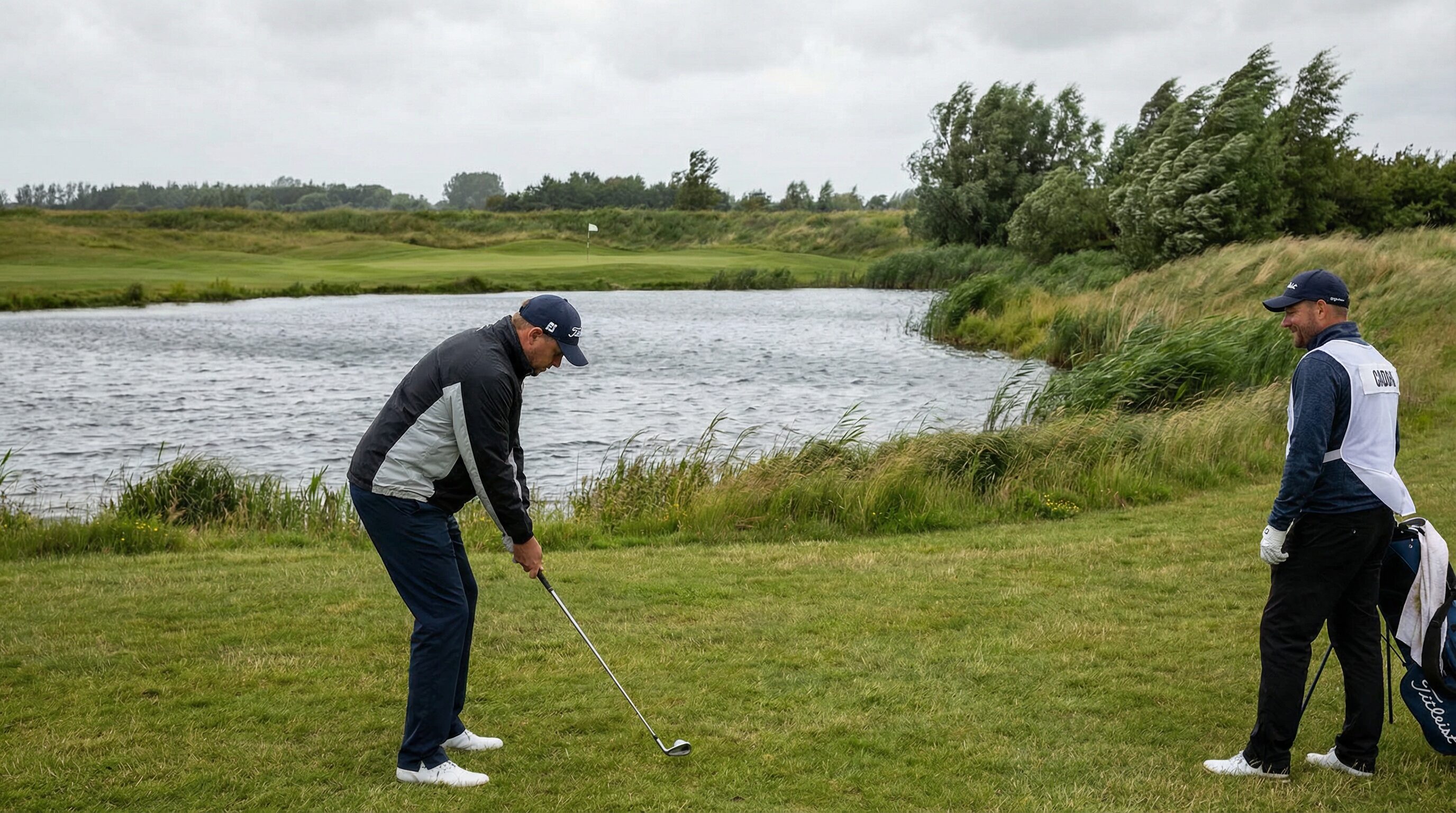
Windy conditions demand smart course management. This is not the day to take on risky shots or aim for tight pins. Instead, play to the fat part of the greens and avoid trouble at all costs. If there’s water on the left and the wind is blowing that direction, give yourself extra room to the right. Accept that pars are great scores in the wind, and bogeys are not disasters.
Think of your round as a chess match rather than a boxing match. You’re trying to outthink the conditions, not overpower them. Lay up when necessary, take the safe route off the tee, and focus on keeping the ball in play. The golfer who makes the fewest mistakes in the wind is almost always the one who posts the best score.
The Mental Game: Stay Patient and Positive
Perhaps the most important aspect of playing in the wind is maintaining a positive attitude. It’s easy to get frustrated when the wind knocks down a well-struck shot or pushes your ball into trouble. But remember, everyone on the course is dealing with the same conditions. The golfer who stays patient, accepts the challenge, and focuses on executing one shot at a time will always have an advantage.
Embrace the wind as an opportunity to test your skills and creativity. Some of my most memorable rounds have been on windy days when I had to dig deep and figure out how to navigate tough conditions. These are the rounds that make you a better golfer and give you confidence for future challenges.
Key Takeaways for Playing in the Wind
When the wind picks up, remember these essential strategies. Take extra club into headwinds and trust that the wind will affect your distance more than you expect. Keep your ball flight low by moving the ball back in your stance and making a controlled, three-quarter swing. Aim off your target line in crosswinds and let the wind bring the ball back. Widen your putting stance for stability and make shorter, more controlled strokes. Finally, play smart course management by avoiding trouble and accepting that pars are victories in tough conditions.
The wind is one of golf’s great challenges, but it doesn’t have to ruin your round. With the right approach and a willingness to adapt, you can turn a windy day into an opportunity to showcase your skills and resilience. What are your best tips for playing in the wind? Share your strategies in the comments below!