Competitive Edge
The Best Golf Balls for Average Golfers (And How to Choose Yours)
Stop wasting money on the wrong golf balls. This guide helps average golfers choose the right ball based on swing speed, handicap, and budget, not hype.

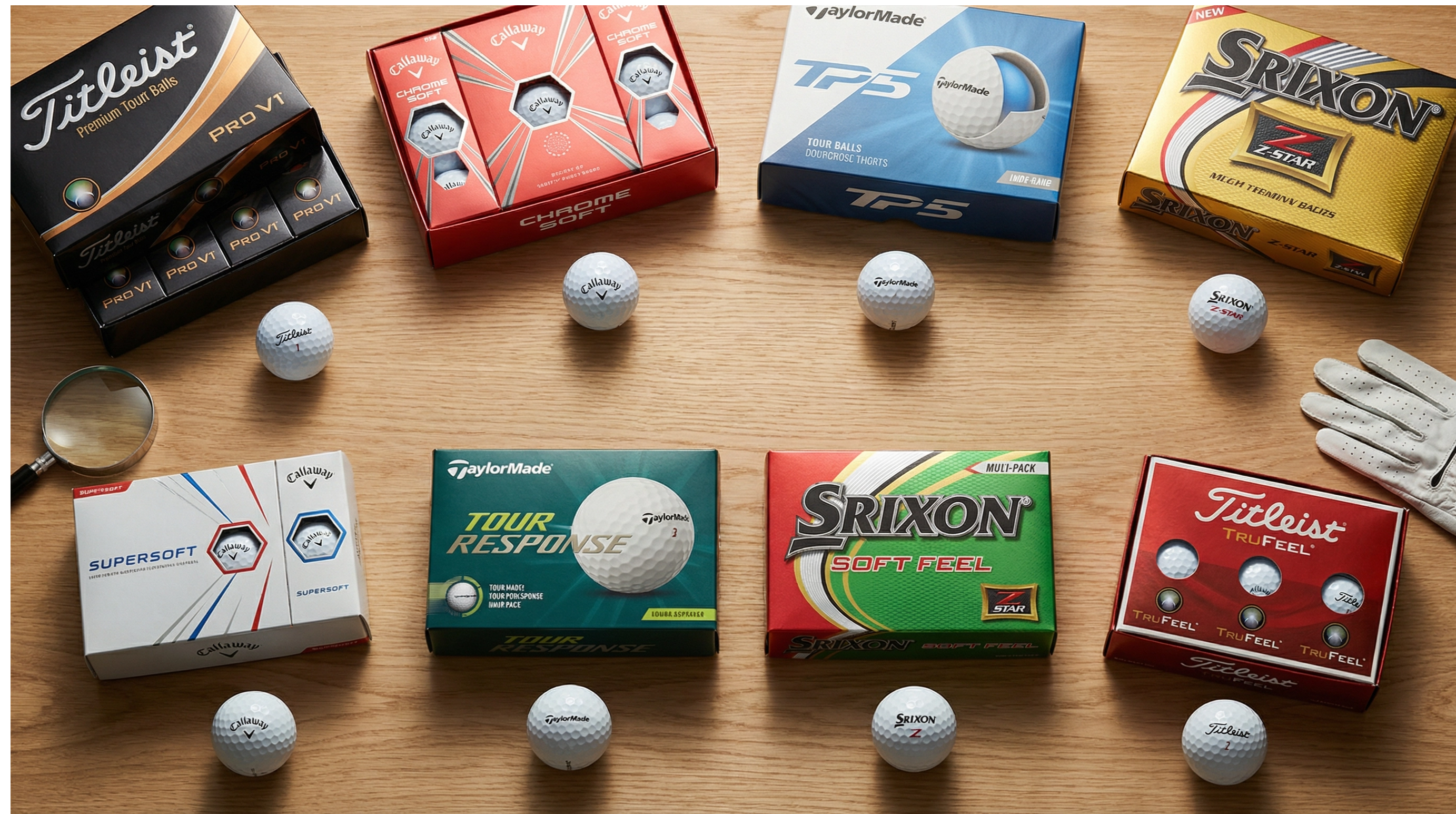
Let’s get something out of the way right up front: you’re probably playing the wrong golf ball. I don’t mean that as an insult—most golfers are playing the wrong ball because the golf industry has spent decades convincing us that we need tour-level equipment to play decent golf. The truth is that ninety percent of amateur golfers would benefit more from switching to a ball that actually matches their swing speed and skill level than from buying a new driver or taking another lesson. In this guide, I’m going to cut through the marketing nonsense and help you find a ball that will actually improve your game without emptying your wallet.
Why Most Golfers Use the Wrong Ball
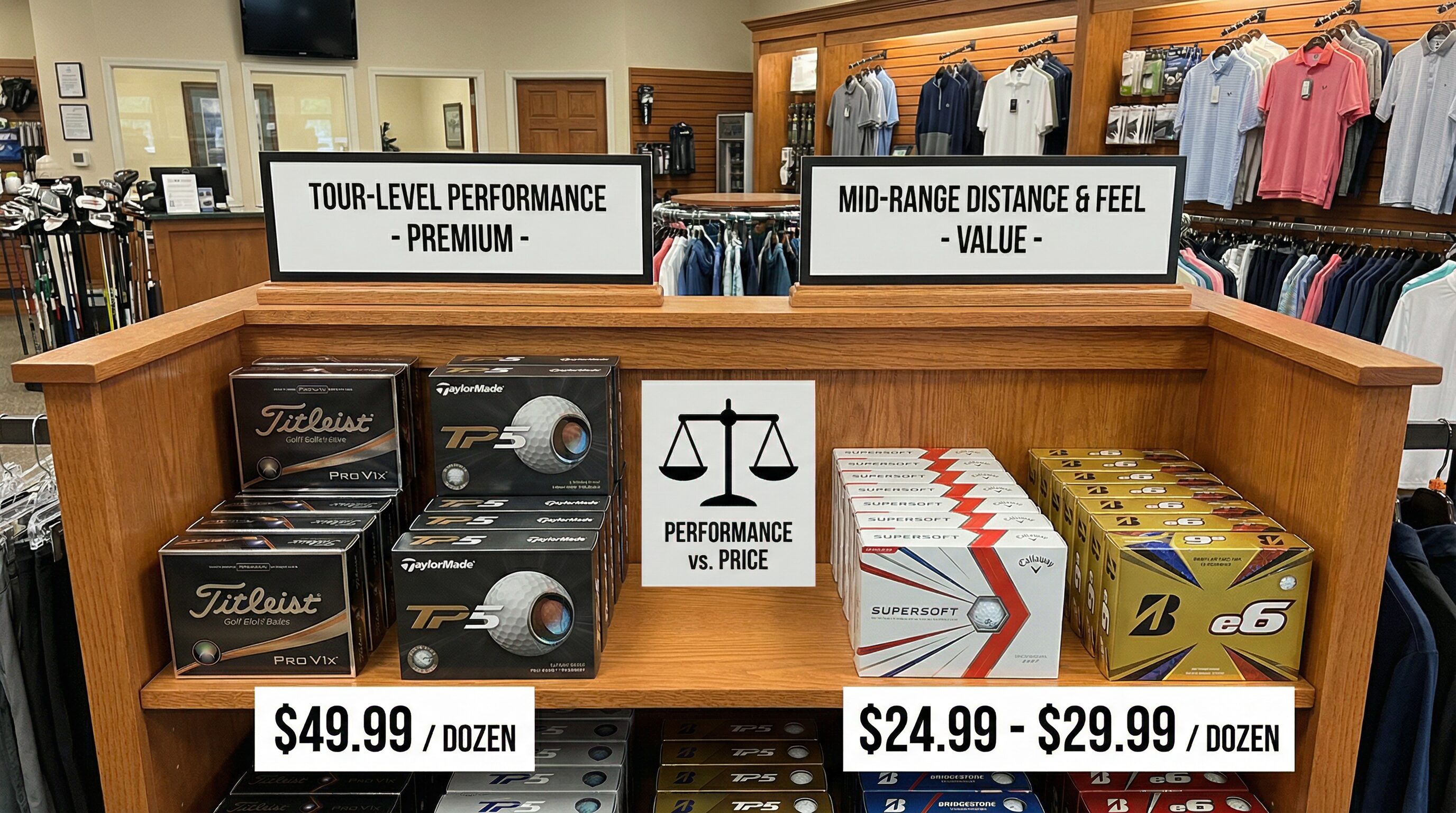
Walk into any pro shop and you’ll see walls of premium golf balls with names like “Pro V1,” “TP5,” and “Chrome Soft.” These balls cost fifty dollars a dozen or more, and they’re marketed with images of tour pros hitting perfect shots. The implication is clear: if you want to play good golf, you need these balls. But here’s what the marketing doesn’t tell you: these tour-level balls are designed for swing speeds of one hundred miles per hour or more and players who can consistently compress the ball at impact. If you’re swinging slower than that—and most amateurs are—you’re not getting any benefit from these expensive balls. In fact, you might be hurting your game.
The problem is compression. Tour balls are built with firm cores that require high swing speeds to compress properly. When you compress the ball, you maximize distance and control. But if your swing speed is in the eighty to ninety-five mile per hour range, you’re not compressing that Pro V1 enough to get its benefits. You’re essentially paying premium prices for performance you can’t access. Meanwhile, there are balls designed specifically for your swing speed that cost half as much and will give you better results. It’s one of golf’s dirty little secrets, and it’s time someone said it out loud.
What Actually Matters: Compression, Spin, and Feel
Let’s break down the three factors that actually matter when choosing a golf ball: compression, spin characteristics, and feel. Compression is a measure of how much the ball deforms at impact. Lower compression balls (around seventy to eighty) are easier to compress and work better for slower swing speeds. Higher compression balls (ninety to one hundred plus) require more speed to compress properly. If you’re not sure what your swing speed is, a good rule of thumb is that most amateur golfers with a driver swing speed under ninety-five miles per hour should be playing a lower compression ball.
Why You Don’t Need New Clubs to Play Better Golf
Spin is the next consideration, and this is where things get interesting. High spin balls give you more control around the greens, which sounds great until you realize that they also amplify your mistakes off the tee. If you slice or hook the ball, a high spin ball will make those curves more dramatic. For most average golfers, a mid-spin or low-spin ball is actually better because it reduces sidespin and keeps your drives straighter. Yes, you’ll sacrifice some greenside spin, but let’s be honest—if you’re a fifteen handicapper, you’re not spinning wedge shots back anyway. You’re better off with a ball that keeps your drives in play.
Feel is the most subjective factor, but it matters. Some golfers love the soft feel of a urethane-covered ball around the greens. Others prefer a firmer feel that gives them more feedback. The only way to know what you like is to try different balls. But here’s my advice: don’t obsess over feel until you’ve figured out compression and spin. Those two factors will have a much bigger impact on your scores than whether the ball feels slightly softer on chip shots.
Ball Recommendations by Swing Speed and Handicap
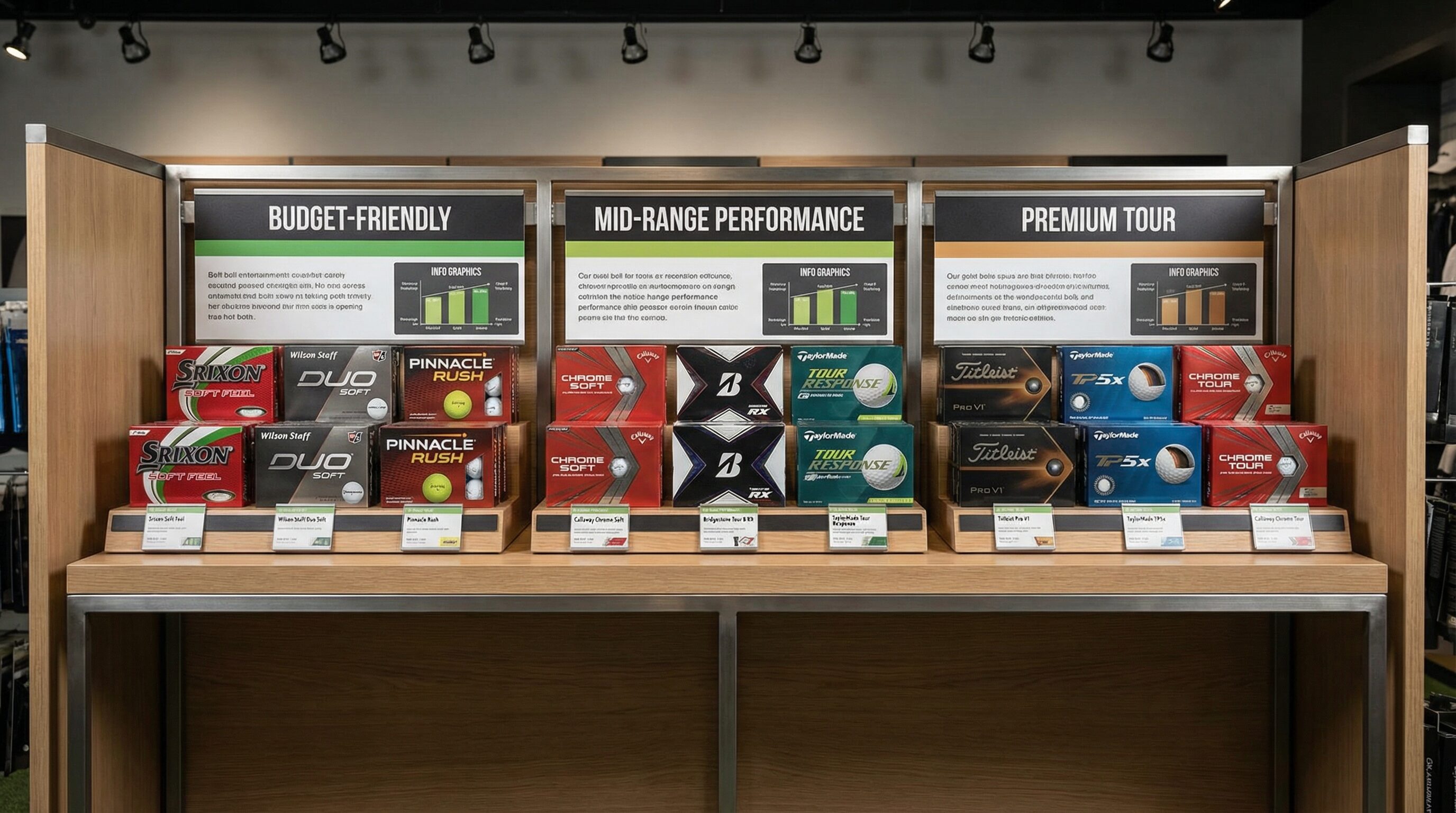
Now let’s get to the good stuff: specific recommendations. I’m going to break this down by swing speed and handicap because those are the two factors that matter most. These are balls that real golfers actually use and trust, not just whatever the tour pros are playing this week.
For Slower Swing Speeds (Under 85 MPH) and Higher Handicaps (20+):
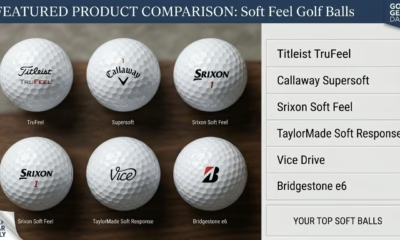
If you’re in this category, you need a low compression ball that maximizes distance and minimizes spin. The Callaway Supersoft is the gold standard here. It has a compression rating of thirty-eight, which is incredibly soft, and it’s designed to help slower swingers get more distance. It’s also affordable, usually around twenty-five dollars a dozen. Another great option is the TaylorMade Soft Response, which has a similar compression and costs about the same. Both of these balls will give you straighter drives and more distance than any tour ball ever could.
For Moderate Swing Speeds (85-95 MPH) and Mid Handicaps (10-20):












This is where most amateur golfers fall, and this is where you have the most options. The Titleist Tour Soft is my top recommendation for this group. It has a compression of around sixty-five, which is perfect for moderate swing speeds, and it offers a nice balance of distance and control. It costs about thirty-five dollars a dozen, which is reasonable for the performance you’re getting. Another excellent choice is the Srixon Q-Star Tour, which has similar specs and costs a bit less. If you want to save even more money, the Wilson Duo Soft+ is a solid budget option that performs surprisingly well for its price point.
For Faster Swing Speeds (95+ MPH) and Lower Handicaps (Under 10):
If you’re consistently swinging ninety-five miles per hour or faster and you’re a single-digit handicapper, then yes, you can start looking at tour-level balls. The Titleist Pro V1 is the industry standard for a reason—it offers exceptional control and consistency. But it’s not the only option. The TaylorMade TP5 and Callaway Chrome Soft are both excellent alternatives that some golfers prefer for their feel or spin characteristics. These balls cost around fifty dollars a dozen, but if you have the swing speed to compress them properly, they’re worth it. Just be honest with yourself about whether you’re really in this category. If you’re not breaking eighty regularly, you’re probably better off with a mid-range ball.
Common Mistakes When Buying Golf Balls
Let’s talk about the mistakes I see golfers make when buying balls. The biggest one is buying based on what tour pros use. I can’t stress this enough: you are not Rory McIlroy. His swing speed is one hundred twenty miles per hour. Yours is probably eighty-five to ninety. What works for him will not work for you. Stop buying Pro V1s just because you see them on TV.
The second mistake is buying balls based on brand loyalty alone. Yes, Titleist makes great balls, but so do TaylorMade, Callaway, Srixon, and others. Don’t limit yourself to one brand just because that’s what you’ve always played. Try different options and see what works best for your game. You might be surprised.
The Ultimate Guide to Buying Used Golf Clubs
The third mistake is not considering your budget realistically. If you lose three balls per round, you’re going through three dozen balls a month. At fifty dollars a dozen, that’s one hundred fifty dollars a month on golf balls. That’s insane. There’s no shame in playing a twenty-five dollar ball if it means you can afford to play more often. In fact, I’d argue that playing more often with cheaper balls will improve your game more than playing less often with expensive balls.
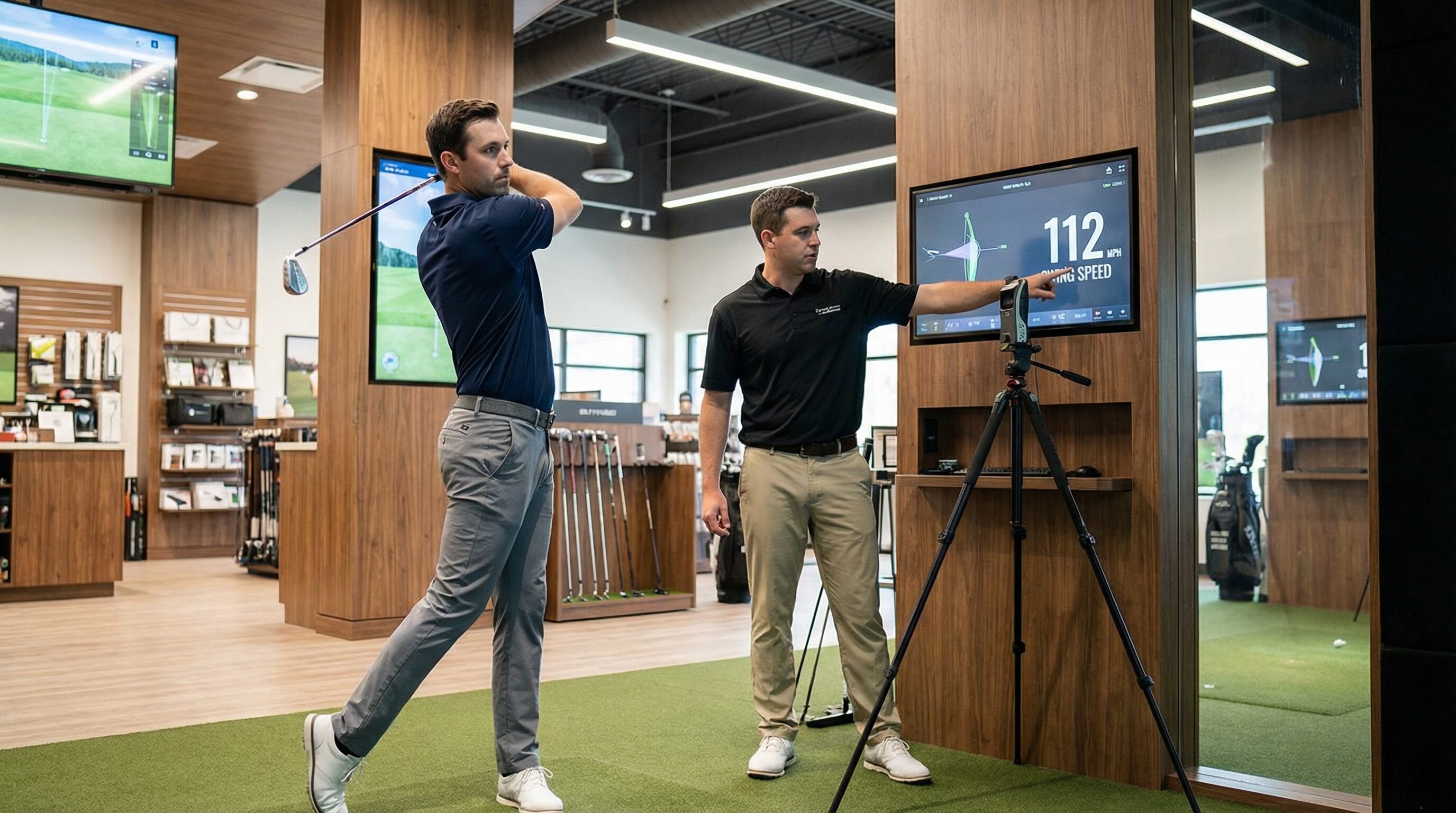
The fourth mistake is ignoring swing speed. I’ve said it before, but it bears repeating: if you don’t know your swing speed, you’re guessing. Most golf shops and driving ranges have launch monitors that can measure your swing speed in about five minutes. Get it measured. It’s free, it’s fast, and it will save you from wasting money on the wrong balls.
A Simple Decision Framework
Here’s a simple framework to help you choose the right ball. First, figure out your driver swing speed. If you don’t have access to a launch monitor, you can estimate based on how far you hit your driver: if you’re hitting it two hundred yards or less, you’re probably under eighty-five miles per hour. If you’re hitting it two hundred to two hundred thirty yards, you’re probably in the eighty-five to ninety-five range. If you’re hitting it over two hundred forty yards, you’re probably over ninety-five.
Second, consider your handicap and your biggest weakness. If you’re a higher handicapper who struggles with slicing or hooking, prioritize a low-spin ball that will keep your drives straighter. If you’re a lower handicapper who wants more control around the greens, you can afford to play a higher spin ball.
Third, set a realistic budget. Decide how much you’re willing to spend per dozen and stick to it. There are good balls at every price point, so don’t feel like you need to spend fifty dollars to get decent performance.
Finally, buy a sleeve or two of a few different balls and test them. Play a round with each one and see which one gives you the best results. Pay attention to distance off the tee, accuracy, and how the ball feels around the greens. The ball that performs best for you might not be the one you expected.
The Truth About Premium Balls
Let me be blunt about premium balls: they’re amazing if you have the swing speed and skill to use them properly. But for most golfers, they’re overkill. It’s like buying a Ferrari to drive in city traffic. Sure, it’s a great car, but you’re never going to use its full capabilities. A Pro V1 is a phenomenal golf ball, but if you’re not compressing it properly, you’re wasting your money.
Here’s another truth: the difference between a thirty-five dollar ball and a fifty dollar ball is much smaller than the difference between a twenty-five dollar ball and a thirty-five dollar ball. In other words, you get diminishing returns as you move up in price. For most golfers, the sweet spot is in the twenty-five to thirty-five dollar range. That’s where you get the best performance for your money.
What About Used and Refurbished Balls?
This is a question I get all the time, and my answer is: it depends. If you’re buying used balls, make sure they’re in good condition. Look for balls graded as “mint” or “near mint” with no visible scuffs or cuts. A ball with a cut or deep scuff will not perform the same as a new ball, no matter how cheap it is.
Refurbished balls are a different story. These are balls that have been cleaned and sometimes repainted. The problem is that the refurbishing process can affect the ball’s performance, especially if the outer layer has been altered. I generally recommend avoiding refurbished balls unless you’re just practicing or playing a casual round where performance doesn’t matter as much.
If you want to save money, a better option is to buy last year’s model. Golf ball technology doesn’t change dramatically from year to year, and you can often find last year’s premium balls at mid-range prices. That’s a much better value than buying refurbished balls.
Stop Overthinking It
Here’s the bottom line: the golf ball matters, but it’s not going to fix your swing. If you’re slicing the ball thirty yards into the woods, switching from a Pro V1 to a Supersoft isn’t going to magically straighten out your drives. But it will help a little, and those little improvements add up.
The best ball for you is the one that matches your swing speed, fits your budget, and gives you confidence when you tee it up. It doesn’t have to be the most expensive ball on the market. It doesn’t have to be what the tour pros play. It just has to work for your game.
So stop buying balls based on marketing hype. Stop trying to play the same ball as Rory or Tiger. Figure out your swing speed, set a realistic budget, and choose a ball that’s designed for golfers like you. I guarantee you’ll see better results, and you’ll probably save money in the process.
Now get out there and play. And when you hit that drive down the middle of the fairway with a ball that actually fits your game, you’ll know exactly what I’m talking about.