Gear Intelligence
How to Choose the Right Golf Ball for Your Game in 2026
Ms. Lexi explains how to choose the right golf ball for your swing speed, handicap, and budget in 2026. Use this no-nonsense guide with Amazon links now.


How to choose the right golf ball starts with an overlooked decision. Your best model matches your speed, produces a playable flight, and gives you predictable scoring shots.
Disclosure: This article contains affiliate links. If you buy through these links, Clickit Golf may earn a commission at no additional cost to you.
How to choose the right golf ball: three variables first
Do not begin with handicap. A player who loses shots to a slice needs something different from one who cannot stop a wedge. Start with average driver speed, then work through spin and feel.
Variable Practical question Why it matters Speed What is your normal—not your best—driver speed? It identifies a smart compression range to test. Spin Is your bigger issue tee-ball curve or shots releasing on greens? It frames the stability-versus-check trade-off. Feel Which ball improves a 10-footer and a 50-yard shot? Confidence and distance control are part of fit.
How to choose the right golf ball by swing speed
Use this as a starting matrix, not a rulebook.
Average driver speed Begin by testing Good first comparisons Under 85 mph Low-compression, soft two-piece ball Wilson DUO Soft; Callaway Supersoft 85–95 mph Soft-to-mid compression; ionomer versus urethane Srixon AD333; Chrome Soft; Z-STAR 95–105 mph Mid-to-firm multi-piece ball Z-STAR; Vice Pro; TOUR B RXS 105+ mph Firm premium construction Pro V1; TP5x
How to choose the right golf ball if you do not know your speed
Use 10 minutes on a launch monitor and record average driver speed. Test two balls one compression step apart, then play both from 80 yards and on the putting green. Choose the ball that maintains a playable driver flight and better distance control.
Construction: what two to five layers means
A two-piece ball generally offers durability, lower-spin long shots, and a friendlier price. A three-piece ball adds a mantle; with urethane, it can offer more greenside friction.
Four- and five-piece balls add tuning options for different clubs, not an automatic upgrade.
Compression demystified: lower is not automatically better
Compression measures resistance to deformation. Lower-compression cores deform more readily, but cover design still affects feel, spin, and flight.
Below roughly 85 mph, start softer. Between 85 and 105 mph, compare moderate and softer options. Above 105 mph, firmer premium models can make sense. Let launch, dispersion, and wedge control decide.
Spin versus distance for weekend golfers
Lower driver spin can help a ball that climbs or curves. Urethane can help pitches that release too far.
If penalties and slices dominate your scorecard, favor stability. If approaches hop through greens, test urethane. How to choose the right golf ball is about where you need predictable results.
Quick picks
| Pick | Best for | Price tier | Buy |
| Srixon Z-STAR | Best all-around 85–105 mph starting point | Premium | Amazon |
| Wilson DUO Soft | Under-85-mph swings | Value | Amazon |
| Callaway Chrome Soft | Soft premium feel and greenside control | Premium | Amazon |
| Vice Pro | Urethane value | Mid | Amazon |
How the ClickitGolf Lab Score works
The Lab Score is an editorial fit rubric, not a universal robot test. It averages five equal 1–10 sub-scores: Performance, Forgiveness, Feel, Value, and Looks. We weigh verified design information, intended flight and spin, retail status, and player fit.
Top golf-ball picks at each level
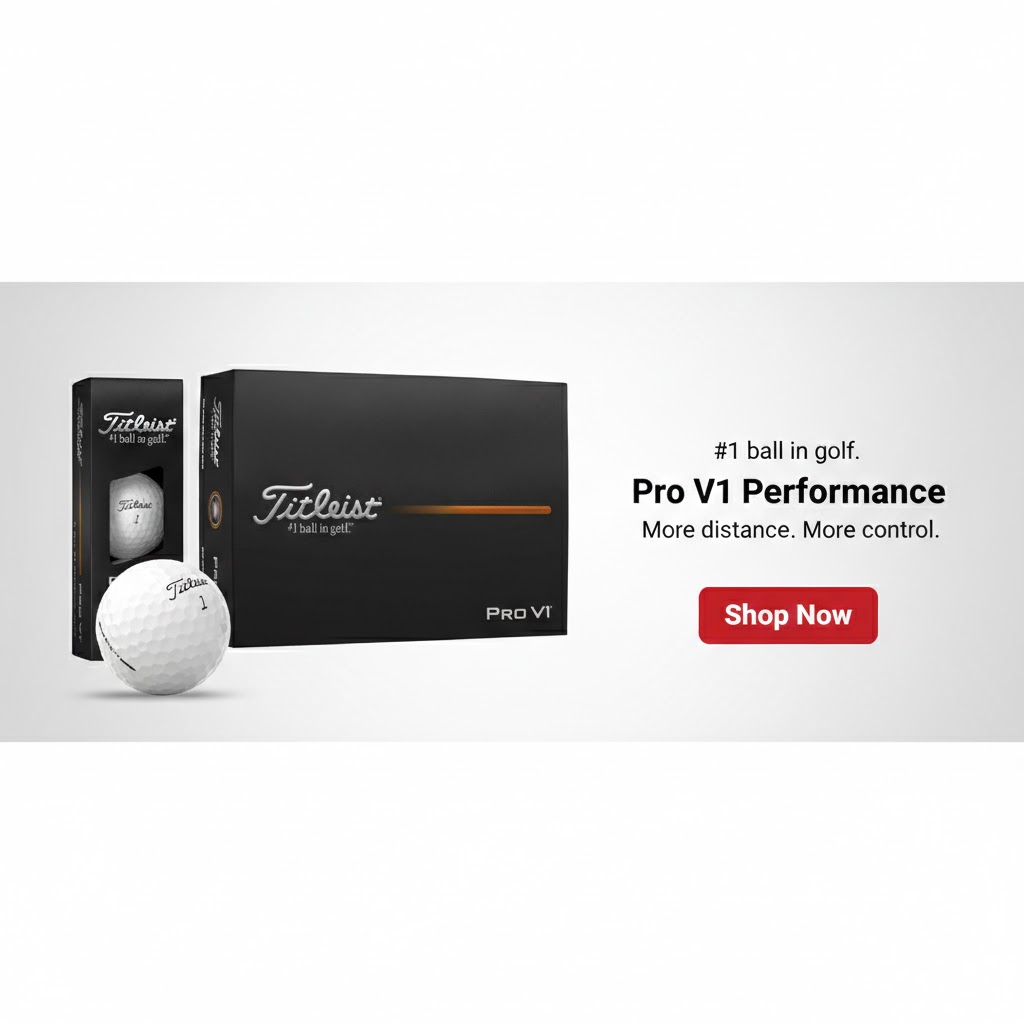
Titleist Pro V1 — Tour-player control
The 2025 Pro V1 pairs a faster high-gradient core and cast urethane cover with mid flight, very low long-game spin, high short-game spin, and soft feel. The Amazon link is a three-ball sleeve, not a dozen.
•Why it works: Fast core; penetrating 388-dimple flight; premium wedge control.
•Tradeoffs: Premium price; lower flight is not everyone’s preferred window.
•Who it’s for: Skilled players seeking soft, controlled flight.
•Who should skip: Budget-led or distance-only buyers.
•Buy: Titleist Pro V1 2025 sleeve on Amazon
•Lab Score: 8.5/10 — Performance 9.4 · Forgiveness 8.0 · Feel 9.5 · Value 6.5 · Looks 9.0
TaylorMade TP5x — Fast, high-launching flight
TP5x is TaylorMade’s five-layer, cast-urethane, speed-oriented ball. The Amazon page is a TP5/TP5x variation, so select TP5x deliberately. Verify availability before publication.
•Why it works: Five layers; piercing high-launch target; high wedge-spin position.
•Tradeoffs: Relatively firm; Amazon variation needs care.
•Who it’s for: Faster players seeking carry and wind flight.
•Who should skip: Golfers who prefer low-compression feel.
•Buy: Select TP5x on Amazon
•Lab Score: 8.3/10 — Performance 9.3 · Forgiveness 7.9 · Feel 8.7 · Value 6.8 · Looks 8.8
Callaway Chrome Soft — Soft premium ball for mid-handicappers
The 2026 Chrome Soft pairs Tour Fast Mantle and a urethane cover. Callaway’s stated aim is speed, higher flight, soft feel, and greenside control.
•Why it works: Urethane cover; low long-game-spin position; Triple Track option.
•Tradeoffs: Premium cost; soft feel does not guarantee the right launch.
•Who it’s for: Golfers wanting soft feedback and check.













•Who should skip: Players who only need low-cost distance.
•Buy: Callaway Chrome Soft 2026 on Amazon
•Lab Score: 8.5/10 — Performance 8.9 · Forgiveness 8.5 · Feel 9.3 · Value 7.2 · Looks 8.7
Srixon Z-STAR — Best overall starting point
Srixon lists Z-STAR as a three-piece urethane ball with 88 compression, softer feel, mid flight, and maximum greenside-spin intent. It is my No. 1 85–105 mph starting point.
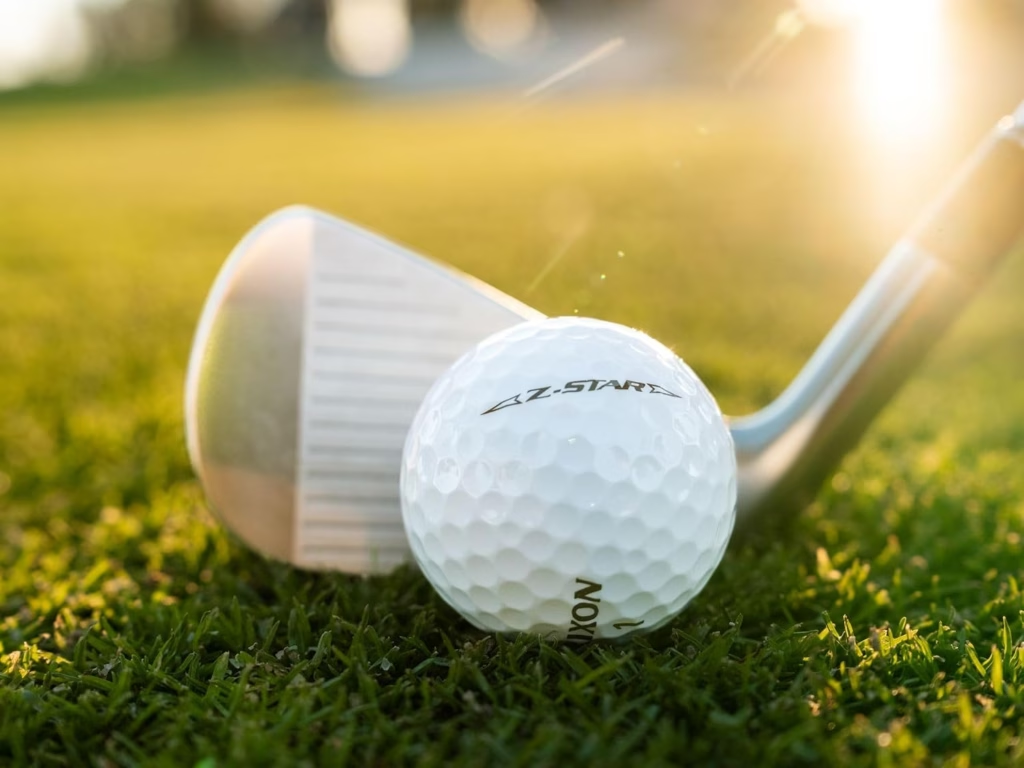
•Why it works: 88 compression; Spin Skin+ urethane coating; 338-dimple design.
•Tradeoffs: Tour-ball price; high spin does not suit every driver flight.
•Who it’s for: Mid-speed players who want softer urethane control.
•Who should skip: Golfers buying only on price.
•Buy: Srixon Z-STAR on Amazon
•Lab Score: 8.5/10 — Performance 8.8 · Forgiveness 8.4 · Feel 9.0 · Value 8.2 · Looks 8.3
Callaway Supersoft — Easygoing high-handicap choice
Supersoft is a value-first option for soft feel, sensible speed, and durability. Callaway cites its Hybrid Cover but does not publish a current numeric compression figure.
•Why it works: Soft-feel target; Hybrid Cover; accessible dozen pricing.
•Tradeoffs: Less tour-style wedge precision; limited published layer detail.
•Who it’s for: Newer and higher-handicap golfers.
•Who should skip: Players demanding maximum greenside grab.
•Buy: Callaway Supersoft on Amazon
•Lab Score: 8.8/10 — Performance 8.2 · Forgiveness 9.0 · Feel 9.5 · Value 8.9 · Looks 8.3
Wilson DUO Soft — Slower-speed soft feel
Wilson specifies a 37-compression, two-piece Surlyn construction for DUO Soft. It is the clearest first test here for a golfer under 85 mph who needs easy feel and straighter long-shot flight.
•Why it works: 37 compression; high-energy core; two-layer low-spin design.
•Tradeoffs: Less greenside spin; pitches can release more.
•Who it’s for: Slower swings and higher handicaps.
•Who should skip: Players seeking urethane check.
•Buy: Wilson DUO Soft 2025 on Amazon
•Lab Score: 8.6/10 — Performance 7.9 · Forgiveness 9.2 · Feel 9.7 · Value 8.7 · Looks 7.6
Srixon AD333 — Balanced-performance value ball
AD333 uses a two-piece ionomer design, 68 compression, FastLayer Core, Spin Skin, and a mid-high flight. The Amazon option was an Amazon Global Store UK listing, so check import terms.
•Why it works: 68 compression; 338-dimple pattern; balanced design.
•Tradeoffs: Ionomer is not urethane; current listing is an import.
•Who it’s for: Softer-feel value shoppers.
•Who should skip: Golfers seeking a domestic urethane option.
•Buy: Srixon AD333 2026 on Amazon
•Lab Score: 8.4/10 — Performance 8.1 · Forgiveness 8.7 · Feel 8.1 · Value 9.1 · Looks 7.9
Vice Pro — Urethane value route
Vice Pro brings three-layer cast-urethane construction and a 90-compression rating to the value conversation. Vice positions it around balanced distance and greenside control.
•Why it works: Cast urethane; 90 compression; low-spin mantle target.
•Tradeoffs: Flatter than Pro Plus; Amazon variants need a final check.
•Who it’s for: Medium-speed players who value premium-cover value.
•Who should skip: Golfers wanting maximum height.
•Buy: Vice Pro on Amazon
•Lab Score: 8.6/10 — Performance 8.6 · Forgiveness 8.4 · Feel 8.6 · Value 9.0 · Looks 8.2
Bridgestone TOUR B RXS — Soft premium, short-game alternative
TOUR B RXS is Bridgestone’s low-compression option for players below 105 mph who prioritize soft feel and approach spin. Its REACTIV X system combines a REACTIV iQ cover with an XCLRMT mid-layer.
•Why it works: Soft premium profile; approach-spin target; 320-dimple flight design.
•Tradeoffs: Premium price; may feel too soft for faster players.
•Who it’s for: Under-105-mph golfers who prioritize short-game response.
•Who should skip: Players chasing maximum-speed feel.
•Buy: Bridgestone TOUR B RXS on Amazon
•Lab Score: 8.4/10 — Performance 8.8 · Forgiveness 8.3 · Feel 9.2 · Value 7.4 · Looks 8.3
The two-round test that makes the decision simple
Play one ball for every shot in round one and the other in round two. Track tee-ball penalties, short-iron release, and confidence on six-to-10-foot putts. Do not mix balls by hole.
If it is close, choose the model that is more predictable from 100 yards and in.
FAQ: how to choose the right golf ball
Does golf-ball compression need to exactly match my swing speed?
No. Compression is a useful first filter, not a prescription. Compare ball speed, launch, driver spin, peak height, and short-game response. A ball slightly outside a charted range can be better when it produces a more repeatable flight and more reliable distance control for your strike pattern.
Is a urethane golf ball worth it for a mid-handicapper?
Often, yes, when the issue is holding greens or controlling pitches and chips. Urethane generally offers more scoring-shot friction than ionomer. But a lower-cost ball is smarter when you lose several balls each round or still need your driver flight to become straighter before adding more greenside spin.
Should a high-handicap golfer use a soft golf ball?
A soft, low-compression ball is a sensible starting point, especially below roughly 85 mph of driver speed. It can feel easier to load and may support playable launch. Do not select only because it is soft, though; prioritize the model that also keeps driver spin and curvature under control.
Which golf ball is best for a 95 mph swing speed?
Test Srixon Z-STAR, Callaway Chrome Soft, Vice Pro, and Bridgestone TOUR B RXS. Then let flight determine the winner. If your driver flies high or curves too much, favor stability. If approaches release too far, favor the urethane ball that gives you the most dependable check and distance control.
Do low-spin golf balls go farther for weekend golfers?
They can when excess driver spin makes a ball climb, curve, or lose roll. Low spin is not an automatic distance prescription. Too little spin can make a ball fall from the air or make approaches difficult to stop. Seek the longest playable flight, not the most extreme launch-monitor number.
How long should I test a golf ball before changing?
Give a serious candidate two full rounds or a structured practice session plus a round. Keep the model consistent throughout the bag, then compare tee-ball behavior, approach carry and release, wedge control, and putter touch. Changing balls by hole produces noise rather than useful feedback about your actual fit.
Final recommendation
Srixon Z-STAR is my No. 1 pick for the broad 85–105 mph group. The 88-compression, three-piece urethane construction provides a convincing balance of soft feel, usable mid flight, and greenside control. Wilson DUO Soft is a better first test for slower swings, while Pro V1 and TP5x fit higher-speed players with specific flight preferences. But if you want the cleanest place to start how to choose the right golf ball, compare Z-STAR and Chrome Soft through two full rounds, then let your wedge shots settle the argument.
Related Clickit Golf reading: Use our best golf ball by swing speed practical fit guide to narrow your test band, then see the best golf balls for 95–105 mph swing speed for a deeper comparison.
Want more golf tips every Friday? Join over 400,000 golfers — subscribe to The 19th Hole Newsletter → clickitgolf.com/newsletter
Follow Clickit Golf on Instagram, Facebook, X, and TikTok for equipment testing and practical on-course intelligence.