Equipment
Why You Don’t Need New Clubs to Play Better Golf
A humorous, honest look at why new golf clubs won’t fix your game—and what will actually improve your scores. Read this before your next gear impulse buy.

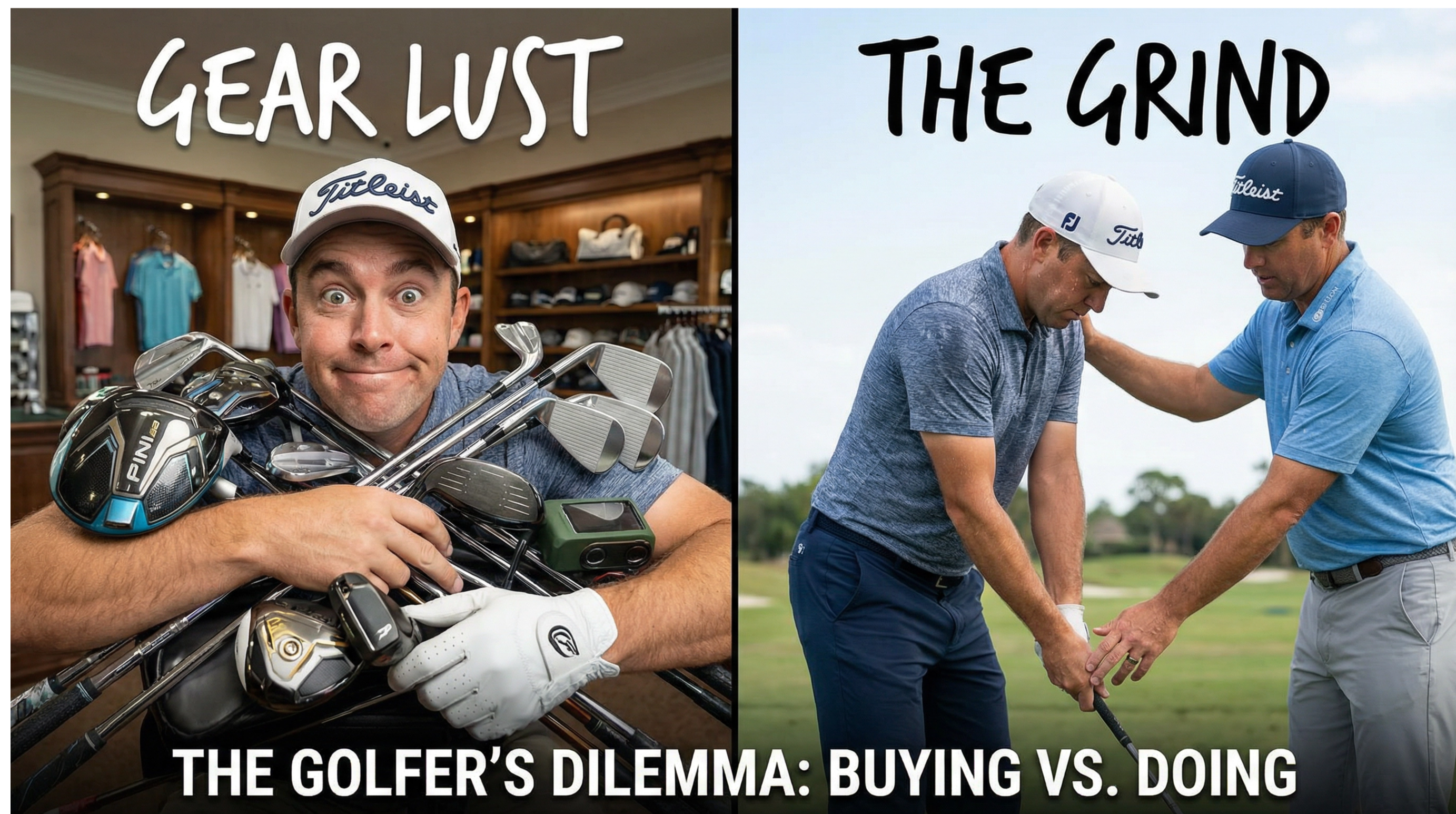
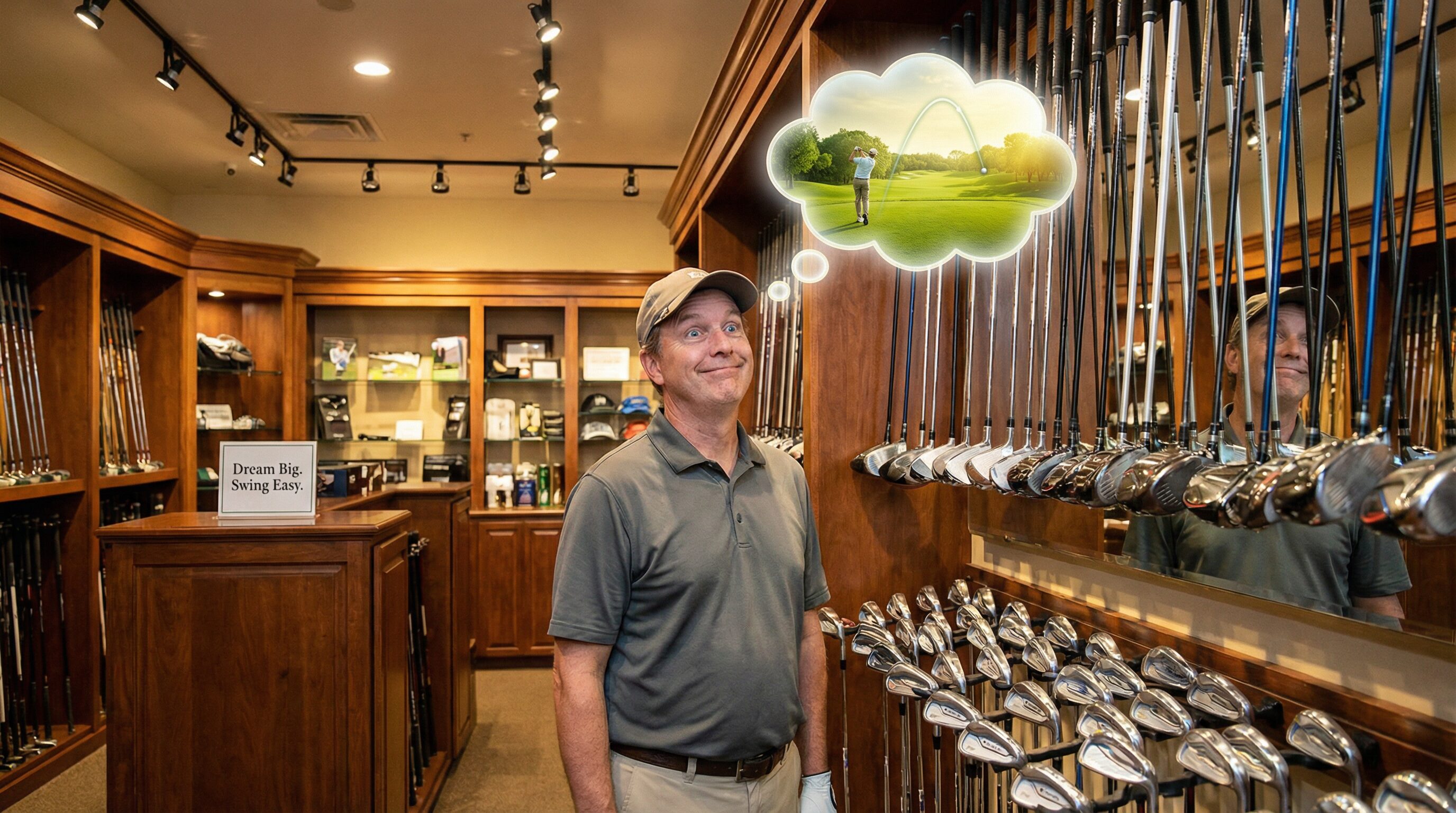
I was standing in the pro shop last Tuesday, holding a driver that cost more than my first car, when I had what you might call an epiphany. Or maybe it was just the price tag that snapped me back to reality. Either way, I put the club down and walked out without buying anything, which might be the most mature thing I’ve done all year. Here’s the thing about golf equipment: we all know, deep down in that place where we keep our honest thoughts, that new clubs aren’t going to fix our slice or magically shave ten strokes off our handicap. But we buy them anyway, because hope is a powerful drug, and the pro shop is the dealer.
The Pro Shop: Where Dreams Are Sold by the Dozen
There’s something almost spiritual about walking into a pro shop. The smell of new grips, the gleam of polished clubheads, the promise of technology that will finally unlock your potential. It’s like church, except instead of salvation, you’re buying the possibility that this driver—this one right here with the carbon fiber shaft and the adjustable hosel—will be the one that turns you into the golfer you’ve always imagined yourself to be.
And look, I get it. I’ve been there. I’ve stood in front of that wall of drivers like a kid in a candy store, convincing myself that the difference between my current game and scratch golf is just a matter of finding the right equipment. I’ve read the marketing copy about “explosive distance” and “tour-proven performance” and nodded along like it was gospel. I’ve handed over my credit card with the quiet confidence of someone who believes that this purchase will change everything.
Spoiler alert: it never does. Oh, the new driver feels amazing for about three rounds. You hit a couple of good shots and think, “This is it. This is the club that’s going to take me to the next level.” But then reality sets in. You still slice it into the woods on the fifth hole. You still chunk your approach shots. You still three-putt from twelve feet. Because here’s the uncomfortable truth that nobody in the golf industry wants you to know: your clubs are fine. It’s your swing that needs work.
The Psychology of New Clubs: Why They Feel So Good
Let’s talk about why new clubs feel so good, because there’s actually some interesting psychology at play here. When you buy a new driver or a new set of irons, you experience what psychologists call the “placebo effect.” You believe the clubs will help you play better, so you swing with more confidence, and that confidence actually does improve your performance—for a little while. It’s not the clubs that are making you hit better shots; it’s your belief in the clubs.
There’s also something called the “honeymoon effect.” Everything is better when it’s new. That new driver feels lighter, more responsive, more forgiving. You’re paying attention to every shot, analyzing every swing, because you want to see if the investment was worth it. And that attention, that focus, actually does help you play better. But it’s not sustainable. After a few rounds, the new driver becomes just another club in your bag, and you’re back to your old habits and your old scores.
Here’s the kicker: the clubs you’re using right now are probably perfectly fine. Unless you’re playing with clubs from the nineteen-eighties or your current set is wildly mismatched to your swing, the equipment isn’t your problem. Modern golf clubs are incredibly well-engineered. Even mid-range clubs from five or ten years ago are more than good enough for the average golfer. The difference between a five-hundred-dollar driver and a six-hundred-dollar driver is marginal at best, and it’s certainly not going to be the difference between shooting ninety-five and shooting eighty-five.
What Actually Improves Your Scores
So if new clubs aren’t the answer, what is? I hate to be the bearer of boring news, but the answer is the same thing it’s always been: practice, lessons, and course management. I know, I know. That’s not nearly as fun as buying a shiny new driver. But it’s the truth.
Let’s start with practice. And I don’t mean going to the range and mindlessly hitting balls until your hands blister. I mean deliberate, focused practice with specific goals. Work on your short game, because that’s where most strokes are lost. Spend time on the putting green. Practice hitting different trajectories and shot shapes. The range isn’t just a place to hit drivers and feel good about yourself—it’s a place to work on your weaknesses.
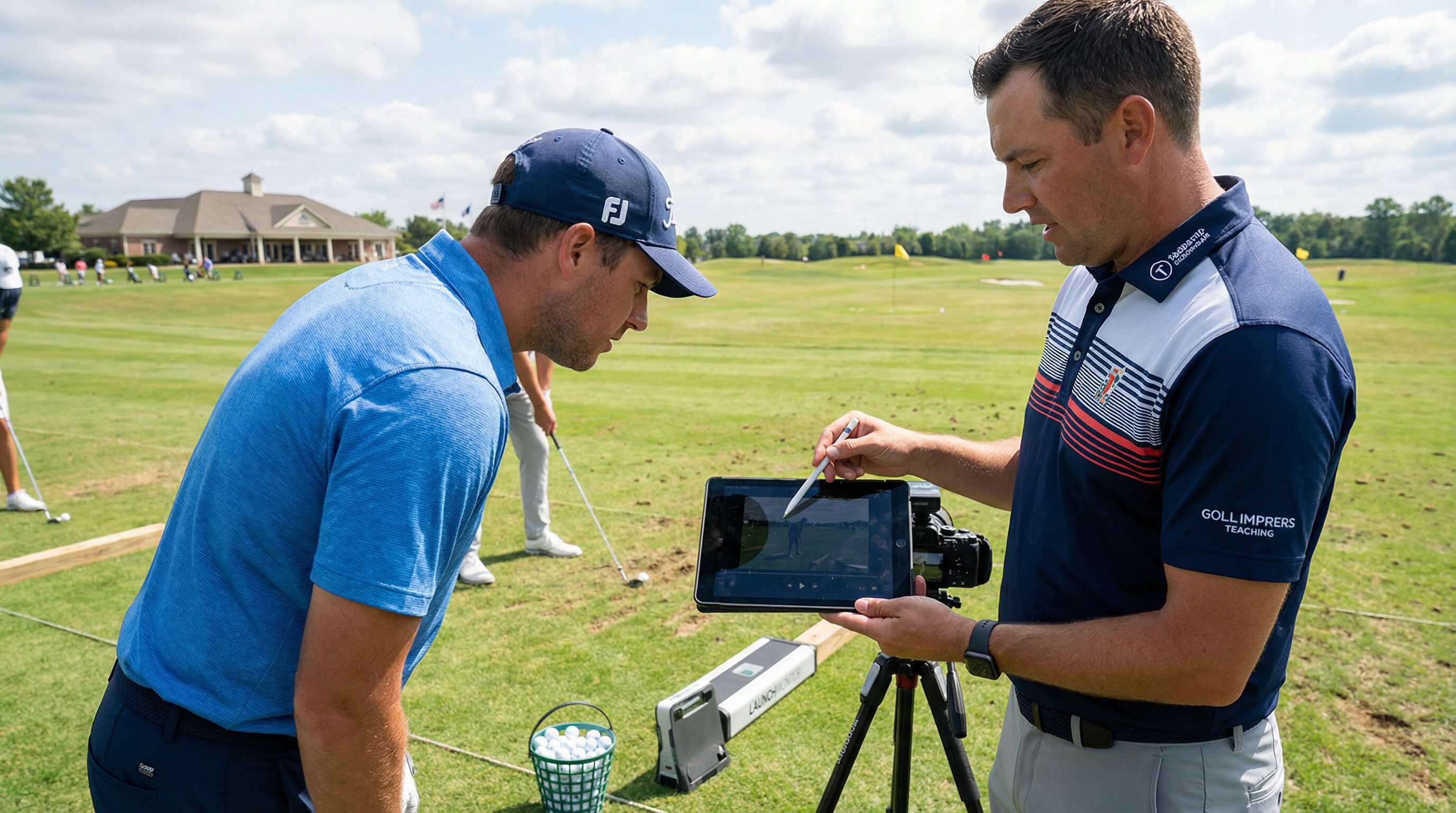
Next, lessons. I know, lessons aren’t sexy. They’re not as immediately gratifying as walking out of the pro shop with a new club. But a good teaching pro can identify the flaws in your swing and give you specific things to work on. One lesson can be worth more than a thousand dollars in new equipment. And here’s the thing: once you fix your swing, your current clubs will suddenly feel a lot better. It’s amazing how much more forgiving your seven-iron becomes when you’re actually hitting it on the sweet spot.
Finally, course management. This is the most overlooked aspect of improving your scores, and it’s also the easiest to implement. Stop trying to hit hero shots. Play to your strengths. If you can’t carry the water hazard, don’t try. Lay up, hit a wedge, and move on. Accept that you’re going to make bogeys, and focus on avoiding double bogeys. Golf is a game of minimizing mistakes, not maximizing brilliance. The sooner you accept that, the better you’ll score.
When New Clubs Actually Do Make Sense
Now, before you think I’ve gone completely anti-equipment, let me be clear: there are times when new clubs do make sense. If you’re playing with clubs that are fifteen or twenty years old, an upgrade will probably help. Golf technology has improved significantly in that time, especially in terms of forgiveness and distance. If your clubs are too long, too short, or too heavy for your swing, getting properly fitted can make a real difference. And if you’re a beginner playing with a hand-me-down set that doesn’t fit you at all, then yes, investing in a decent starter set is a smart move.













But here’s the key: if you’re going to buy new clubs, do it for the right reasons. Get fitted by someone who knows what they’re doing. Don’t just buy the clubs that look cool or that your favorite tour pro uses. And for the love of all that is holy, don’t buy new clubs thinking they’re going to fix your swing. They won’t. They can’t. Only you can fix your swing, and you do that through practice and instruction, not through retail therapy.
Also, consider buying used clubs. I know, it’s not as exciting as buying new ones, but you can get incredible deals on barely-used equipment. Golfers are constantly upgrading their clubs, which means there’s a thriving market for high-quality used gear. You can get last year’s model for half the price of this year’s model, and I promise you, you won’t be able to tell the difference. The only thing you’ll notice is the extra money in your bank account.
The Zen of Playing with What You Have
Here’s where I’m going to get a little philosophical on you, so bear with me. There’s something liberating about accepting that your clubs are fine and that the only thing holding you back is you. It removes the excuses. It forces you to take responsibility for your game. And paradoxically, once you stop blaming your equipment, you often start playing better.
Best Golf Balls For Average Golfers
I’ve played some of my best rounds with clubs that were ten years old and a putter I found in a garage sale. I’ve also played some of my worst rounds with brand-new, top-of-the-line equipment. The clubs don’t make the golfer. The golfer makes the golfer. And the sooner you internalize that truth, the sooner you can focus on what actually matters: enjoying the game, improving your skills, and spending time outdoors with people you like.
Golf is a journey, not a destination. It’s a game you can play for your entire life, and part of the beauty of that is that there’s always something to work on, always room for improvement. But that improvement doesn’t come from the pro shop. It comes from within. It comes from the hours you spend on the range, the lessons you take, the rounds you play where you focus on course management instead of trying to bomb every drive.

The Gear Trap: A Cautionary Tale
Let me tell you about my buddy Steve. Steve is a classic gear junkie. Every year, he buys a new driver. Every year, he convinces himself that this is the one that’s going to unlock his potential. He’s got a garage full of clubs, each one representing a moment of hope and optimism, and each one now gathering dust because it didn’t deliver on its promise.
Steve’s handicap has been stuck at eighteen for the past five years. Not because he doesn’t have good equipment—he’s got the best equipment money can buy. But because he spends all his time and money on clubs instead of lessons. He’d rather buy a new driver than spend an hour with a teaching pro. He’d rather tinker with his equipment than work on his short game. And as a result, he’s trapped in a cycle of buying hope and being disappointed.
Don’t be like Steve. Steve is a cautionary tale. Steve is what happens when you believe the marketing instead of the fundamentals. Steve is a good guy, and I love playing golf with him, but he’s never going to get better until he realizes that the answer isn’t in the pro shop—it’s in the practice facility.
What to Do Instead of Buying New Clubs
So you’ve got the itch to spend some money on your golf game. That’s great. Golf is an investment, and there are plenty of smart ways to invest in your improvement. Here are some alternatives to buying new clubs that will actually make a difference in your scores.
First, invest in lessons. Find a good teaching pro and commit to a series of lessons. Work on your fundamentals. Get your swing on video and analyze it. This is the single best investment you can make in your golf game, bar none.
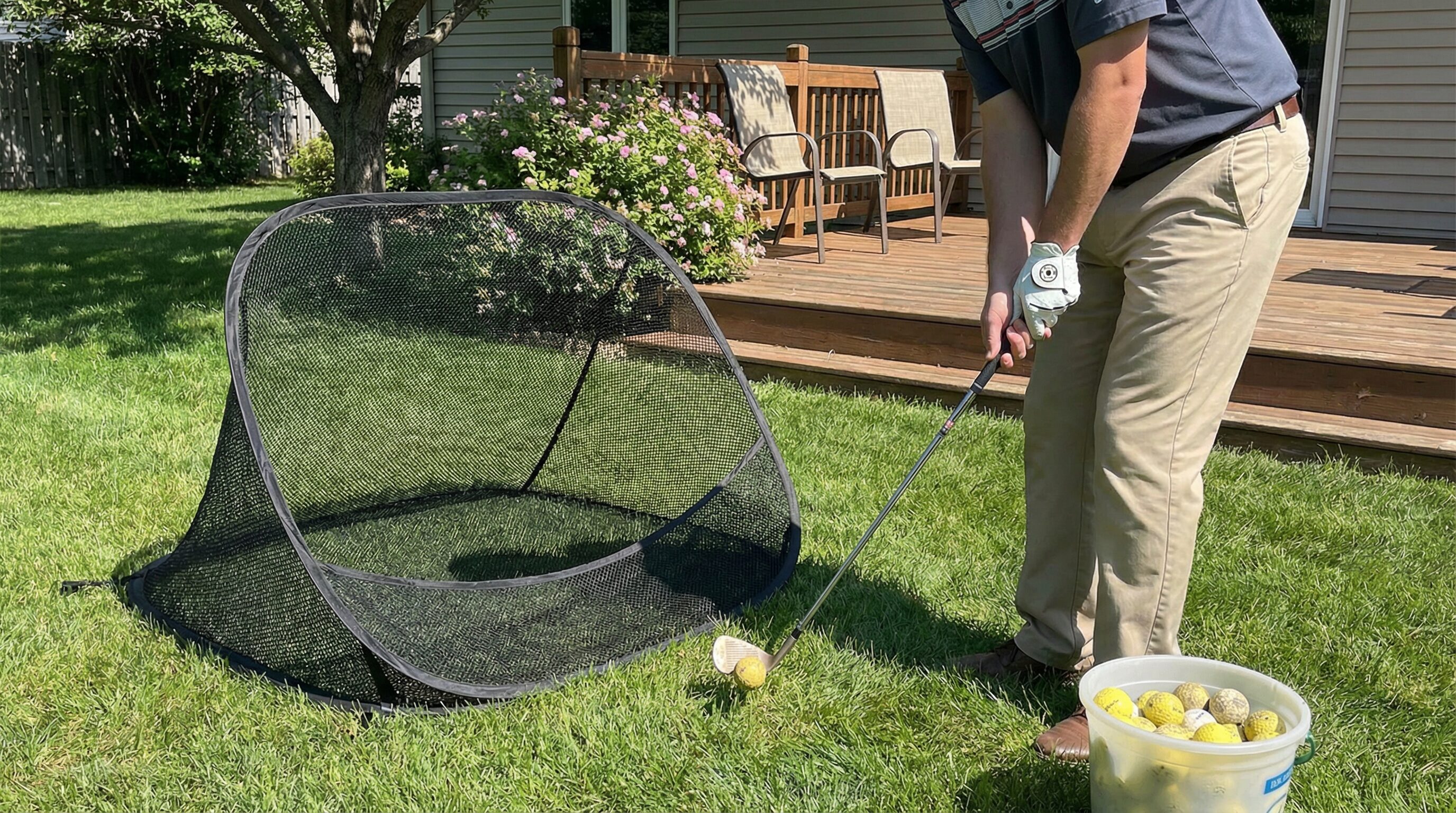
Second, invest in your short game. Buy a good wedge if you don’t have one. Get a quality putter that fits you. Spend money on practice aids like alignment sticks, a putting mirror, or a chipping net for your backyard. The short game is where you’ll see the fastest improvement, and it’s also where most golfers lose the most strokes.
Third, play more golf. Instead of spending five hundred dollars on a new driver, use that money to play ten extra rounds. The more you play, the better you’ll get. Experience is the best teacher, and there’s no substitute for time on the course.
Fourth, consider a club fitting—not to buy new clubs, but to make sure your current clubs are properly fitted to you. Sometimes a simple adjustment to your lie angle or grip size can make a big difference. A good fitter can also tell you if your current clubs are actually holding you back or if they’re fine as they are.
The Bottom Line: It’s Not the Arrow, It’s the Indian
There’s an old saying: “It’s not the arrow, it’s the Indian.” In golf terms, it’s not the clubs, it’s the golfer. I know that’s not what you want to hear. I know you’d rather believe that the solution to your golf woes is waiting for you in the pro shop, wrapped in plastic and smelling like new rubber grips. But it’s not. The solution is in the mirror.
Your clubs are fine. They’re more than fine. They’re probably better than you deserve, if we’re being honest. What you need isn’t a new driver—it’s a better swing. What you need isn’t a new putter—it’s better green-reading skills. What you need isn’t a new set of irons—it’s better course management.
And here’s the beautiful part: all of those things are within your control. You can improve your swing. You can get better at reading greens. You can make smarter decisions on the course. None of those things require spending hundreds or thousands of dollars. They just require time, effort, and a willingness to be honest with yourself about where you need to improve.
A Final Thought
The next time you find yourself in the pro shop, mesmerized by the latest driver or the newest irons, ask yourself this question: “Am I buying this because I genuinely need it, or am I buying hope?” If the answer is the latter, put the club down and walk away. Take that money and invest it in something that will actually make you a better golfer. Take a lesson. Play an extra round. Buy a dozen range balls and spend an hour working on your wedge game.
Golf is a beautiful, frustrating, humbling game. It’s a game that will test your patience, challenge your ego, and occasionally reward you with a shot so pure that you forget about all the bad ones that came before it. But it’s not a game that can be solved with a credit card. It’s a game that requires dedication, practice, and a willingness to accept that improvement is a slow, gradual process.
So embrace the clubs you have. Learn to love them. Work on your swing. Take some lessons. Play more golf. And most importantly, enjoy the journey. Because at the end of the day, that’s what golf is really about—not the equipment, not the scores, but the experience of being out on the course, challenging yourself, and spending time in the great outdoors.
Now if you’ll excuse me, I’m going to go hit some balls with my ten-year-old driver. It’s not the newest or the fanciest, but it’s mine, and I’ve learned to make it work. And that, my friends, is the secret to golf—not finding the perfect clubs, but learning to play with the ones you have.