Connect with us

Blog

The History Behind Augusta National

Home to The Masters, is a symbol of golf’s beauty and tradition—but its history also tells a story of exclusion, evolution, and progress.


Avatar photo

Published

on

Augusta National Golf Club, nestled in the heart of Georgia, is one of the most famous and storied venues in golf. Its lush fairways, blooming azaleas, and towering pines have made it synonymous with elegance and tradition. But behind the iconic beauty of this golf sanctuary lies a complex and, at times, contentious history.

The Beginnings of Augusta National

In 1931, famed amateur golfer Bobby Jones, alongside investment banker Clifford Roberts, founded Augusta National on the grounds of a former indigo plantation in Augusta, Georgia. The course was designed by Alister MacKenzie, a visionary architect whose intent was to create a course that tested both physical skill and strategic thinking. By 1934, Augusta National was ready to host its first tournament, which would later be known as The Masters—an event that would grow to become one of the four major championships in golf.

The Masters and Its Traditions

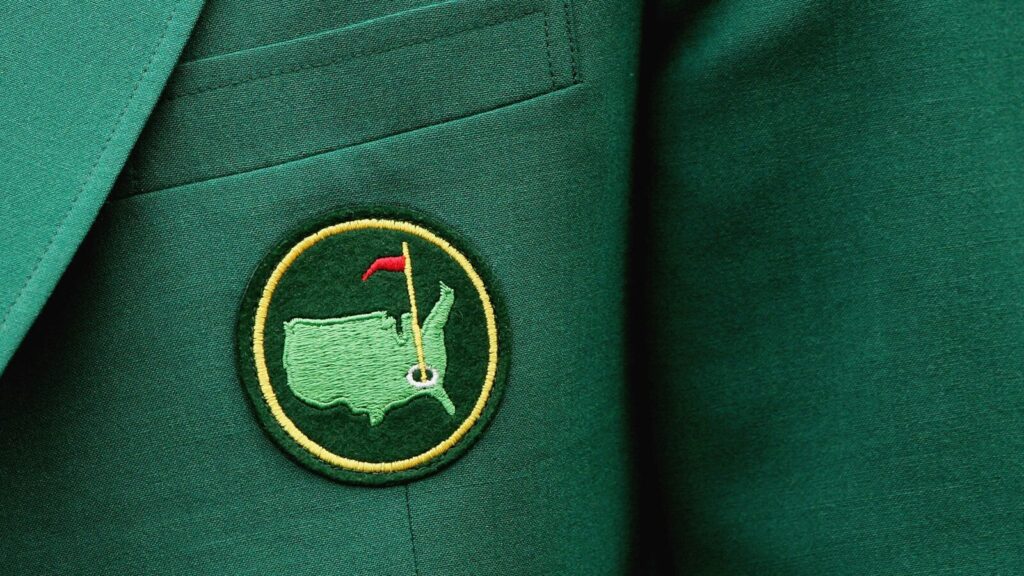
From the beginning, The Masters was a tournament like no other. Its traditions—such as the Green Jacket awarded to winners and the honorary tee shots by legendary golfers—were designed to set it apart. However, the exclusivity of Augusta National extended beyond its traditions and into its membership policies, shaping a more complicated legacy.
ADVERTISEMENT

A History of Segregation

For decades, Augusta National adhered to strict segregationist policies, reflecting the prevailing social norms of the American South. African American golfers were barred from playing in The Masters until Lee Elder broke the color barrier in 1975, becoming the first Black golfer to compete in the tournament. While Elder’s participation was a watershed moment, Augusta’s issues with inclusion persisted.

The club’s membership remained exclusively white until 1990, when businessman Ron Townsend became its first Black member. This milestone came after years of external pressure and public scrutiny, highlighting the tension between tradition and progress.

“Men Only” and the Fight for Gender Inclusion

Similarly, Augusta National maintained a “men only” policy for its members well into the 21st century. This policy became a flashpoint for criticism during the early 2000s when activist Martha Burk publicly challenged the club’s exclusion of women. It wasn’t until 2012, under mounting societal and corporate pressure, that Augusta National admitted its first two female members—former Secretary of State Condoleezza Rice and business executive Darla Moore.

A Legacy in Transition

Today, Augusta National continues to evolve, balancing its historical traditions with a more inclusive approach to the future. While its past is marked by exclusivity, its efforts to embrace diversity are gradually reshaping its identity. The Masters remains a symbol of excellence in golf, drawing players and fans from around the world, while the club’s history serves as a reminder of the work required to make the game of golf truly inclusive.

Augusta National is more than just a golf course; it is a cultural institution that mirrors the complexities of the society around it. As The Masters continues to captivate audiences, the story of Augusta National reflects both the beauty and the challenges inherent in preserving tradition while striving for progress.


Blog

The Most Dramatic Final-Day Finishes in Major Sports Tournaments

Many sports have some nail bitting finishes. Robert Greenfield recaps some major final day finishes in sports history.

Avatar photo

Published

on

The final day of major sports tournaments often delivers an exhilarating end to the competition that keeps fans on the edge of their seats. There’s no better testament to the suspense and drama of sports than those last-minute turnarounds, nail-biting finishes, and underdog triumphs that define the beauty of competition. This article will take you on a thrilling journey through some of the most dramatic final-day finishes in major sports tournaments, reminding us all why we love sports in the first place.

    1. The Miracle of Istanbul – 2005 UEFA Champions League Final

The 2005 UEFA Champions League Final between Liverpool and AC Milan is etched in the annals of football history as one of the most dramatic comebacks ever witnessed. AC Milan, boasting a star-studded lineup, went into halftime with a seemingly unassailable 3-0 lead. However, Liverpool had other plans. In a six-minute spell after halftime, the Reds staged an incredible comeback to level the match at 3-3, eventually winning the game on penalties. The victory was a testament to the never-say-die spirit of Liverpool and the unpredictability of football.

    1. The “Shot Heard ‘Round the World” – 1951 National League Pennant Playoff

In baseball’s history, few moments match the drama of the 1951 National League Pennant Playoff. The New York Giants and the Brooklyn Dodgers were facing off in a three-game playoff to determine the National League champion. In the bottom of the ninth inning of the decisive third game, with the Giants trailing 4-2, Bobby Thomson hit a game-winning three-run homer off Dodgers pitcher Ralph Branca. This legendary moment, known as the “Shot Heard ‘Round the World,” is one of the most iconic in baseball history.

ADVERTISEMENT

    1. The 1999 Ryder Cup “Battle of Brookline”

The 33rd Ryder Cup, held at The Country Club in Brookline, Massachusetts, saw one of the greatest comebacks in the history of golf. The United States trailed Europe 10-6 heading into the final day, but in a stunning display of determination and skill, the American team clawed back to win 14.5-13.5. The victory, known as the “Battle of Brookline,” is still celebrated as a pivotal moment in golf history.

    1. The 1980 “Miracle on Ice”

One of the most dramatic moments in the history of ice hockey came during the 1980 Winter Olympics. The heavily favored Soviet Union team was expected to sweep the gold, but the underdog United States team had different plans. In a game filled with tension and drama, the U.S. team defeated the Soviets 4-3 in a match now known as the “Miracle on Ice.” This victory is not only iconic in the sport of ice hockey but also a significant moment in American sports history.

  1. The 2019 Cricket World Cup Final

The final of the 2019 Cricket World Cup between England and New Zealand was filled with unprecedented drama and suspense. Both teams ended their innings tied on 241 runs, leading to a Super Over – cricket’s version of a tiebreaker. Incredibly, the Super Over also ended in a tie, with both teams scoring 15 runs. England was ultimately declared the winner on the basis of a boundary countback rule, marking their first-ever World Cup victory.

Conclusion

The unpredictability, suspense, and drama are what make sports so captivating. These dramatic final-day finishes remind us of the thrilling highs and lows that come with the world of competitive sports. As fans, we live for these moments, cherishing the unexpected triumphs and heartbreaking defeats. The next time you find yourself watching the final day of a major sports tournament, remember these historic moments and brace yourself for the potential drama that could unfold.

Continue Reading

Blog

Weather and the Game: The Undeniable Influence of Elements on Championship Outcomes

Learn how weather affects different championship outcomes.

Avatar photo

Published

on

landscape, nature, oilseed rape, field, agriculture, rural, panorama, spring, grain, clouds, heaven, expanse, fields, cloudy, sun, blue, weather, green, yellow, meadow, hill, weather mood, idyllic, in the green, free space, growth, harvest, graze, homeland, bavaria, agriculture, spring, spring, spring, spring, spring, weather

Introduction

As a sports enthusiast, you might have noticed that weather plays a significant role in sporting events, particularly in championships. From the power of a baseball pitch to the course of a golf ball, from the strength of a football kick to the stride of a marathon runner – the elements can influence each of these and more. In this article, we delve into the fascinating intersection of meteorology and sports, examining how weather conditions can make or break a championship game.

The Impact of Weather on Different Sports

Whether it’s football, baseball, golf, tennis, or marathon, each sport faces unique challenges when it comes to weather. Let’s delve into the specifics:

Football and Weather Elements

Football is a sport that’s played in almost all weather conditions except for severe ones like lightning storms. However, weather elements have a significant impact on the game.

ADVERTISEMENT

    1. Rain: A wet field makes the ball slippery, impacting players’ ability to handle, pass, or kick the ball accurately. Rain can also make the field muddy, affecting the players’ ability to move swiftly.
    2. Wind: Strong wind can alter the trajectory of the ball, affecting passes and kicks.
    3. Cold: Extremely cold temperatures can affect players’ physical performance and endurance, while also making the ball harder and more challenging to catch.

Baseball and Weather Elements

Baseball is another sport where weather conditions can significantly influence the outcome.

    1. Wind: The direction and speed of the wind can affect the trajectory and distance a baseball travels.
    2. Humidity: High humidity can make the ball denser, potentially reducing its bounce and speed.
    3. Temperature: Low temperatures can make the ball harder, affecting its bounce and the players’ ability to grip and hit it effectively.

Golf, Tennis, and Marathons

Weather conditions play an equally crucial role in golf, tennis, and marathons.

    1. Wind: In golf, the wind can alter the ball’s direction and distance. In tennis, wind can affect ball control, altering serves and volleys.
    2. Temperature: Extreme heat can affect a marathon runner’s performance significantly, leading to dehydration and exhaustion.
    3. Rain: In golf, a wet course can slow down the ball, while in tennis, a wet court can make the ball bounce irregularly.

Case Studies: Weather Influencing Championship Outcomes

This section presents some examples of games where weather conditions significantly influenced the outcome.

  1. The “Ice Bowl” (1967): The NFL Championship game between the Green Bay Packers and the Dallas Cowboys, often referred to as the “Ice Bowl,” witnessed one of the coldest conditions in NFL history, affecting players’ performance and the final outcome.
  2. The “Windy City” World Series (1945): The World Series game between the Chicago Cubs and Detroit Tigers was so affected by the wind that it changed the trajectory of the baseball multiple times, influencing the game’s final score.
  3. Wimbledon Championships (2019): The final match between Novak Djokovic and Roger Federer was played with the Centre Court’s roof closed due to rain, limiting the natural elements’ effects and perhaps altering the match’s dynamics.

Conclusion

The impact of weather on sports is an exciting field of study, revealing how the natural elements influence games and championships. From altering the trajectory of a ball to affecting a player’s physical performance, weather can indeed be a game-changer. As fans and enthusiasts, understanding these influences can add another layer of excitement and anticipation to our favorite sports.

So the next time you attend or watch a game, remember to check the weather forecast. It might just give you a sneak peek into the game’s possible outcome!

Continue Reading

Blog

The Unofficial Rules of Golf: A Gentleman’s Guide to Not Being Judge Smails

The official rulebook is thicker than a dictionary and twice as boring. Let’s talk about the rules that really matter on the course: how to have fun, respect the game, and not be a stick-in-the-mud. Hint: It involves less plaid and more cosmic harmony.

Avatar photo

Published

on

By

You’ve seen him. I’ve seen him. The guy who quotes the USGA rulebook like it’s scripture. He’ll happily tell you your ball moved a quarter of an inch when you addressed it, costing you a penalty stroke. He’s got a plumb bob for a three-foot putt and the personality of a rake. He is, in spirit, Judge Smails. And let’s be honest, nobody wants to be Judge Smails.

The real game of golf, the one that keeps us coming back, isn’t played by those rules. It’s played by a higher law. An unwritten code of conduct that’s all about flow, friendship, and the pursuit of that one perfect shot. It’s a gentleman’s agreement with the universe.

So, let’s talk about the rules that actually matter.

ADVERTISEMENT

1. The Cosmic Readjustment (aka The Mulligan). Your first tee shot is a mess. It goes sideways into the woods where the gophers play. The Smails of the world would tell you to take a penalty and hack it out. I say the universe is just getting warmed up. The “breakfast ball” isn’t cheating; it’s a course correction. It’s an agreement among friends that a round of golf shouldn’t be ruined before it even begins. Take another. The Dalai Lama would want you to.

2. The Art of Flow (aka Pace of Play). This isn’t about rushing. Rushing is a fool’s game. This is about flow. It’s about being ready to hit when it’s your turn. It’s about watching your friend’s shot so you can help them find it. It’s about moving with a purpose, not like you’re searching for your car keys in a dark parking lot. Don’t be the anchor that drags the whole group down. See the line, hit the ball, walk on. Nanananana.

3. The Circle of Friendship (aka Gimmes). Is the putt inside the leather? Good enough. Pick it up. Life is too short to watch your buddies sweat over an 18-inch putt for a double bogey. A gimme isn’t just a time-saver; it’s a gesture of goodwill. It says, “I trust you, you trust me, and neither of us needs the anxiety of missing this tiny putt.” It’s good for the karma, and even better for the pace of play.

4. The Final Verdict (aka The 19th Hole). The most important rule is this: no matter what happened out there, you shake hands on the 18th green and settle things over a cold drink at the 19th. The guy who shot an 82 and the guy who shot a 102 are equals in the clubhouse. The stories get better, the putts get longer, and the bad shots fade away. This is where the real game is won.

So, forget about the fine print. Focus on the feeling. Be a good playing partner, enjoy the walk, and don’t be a Smails. You’ll find your score starts to take care of itself.

Did this speak to your soul? Pass it along to your foursome to make sure everyone is on the same page. For more deep thoughts from the fairway, be sure to follow us on social media. It’s the right thing to do.

Continue Reading

Trending

Click here to get all the latest golf news

Close