Blog
The Mental Game: How to Stay Calm Under Pressure on the Golf Course
Master the mental side of golf with proven strategies to stay calm under pressure and play your best when it matters most.

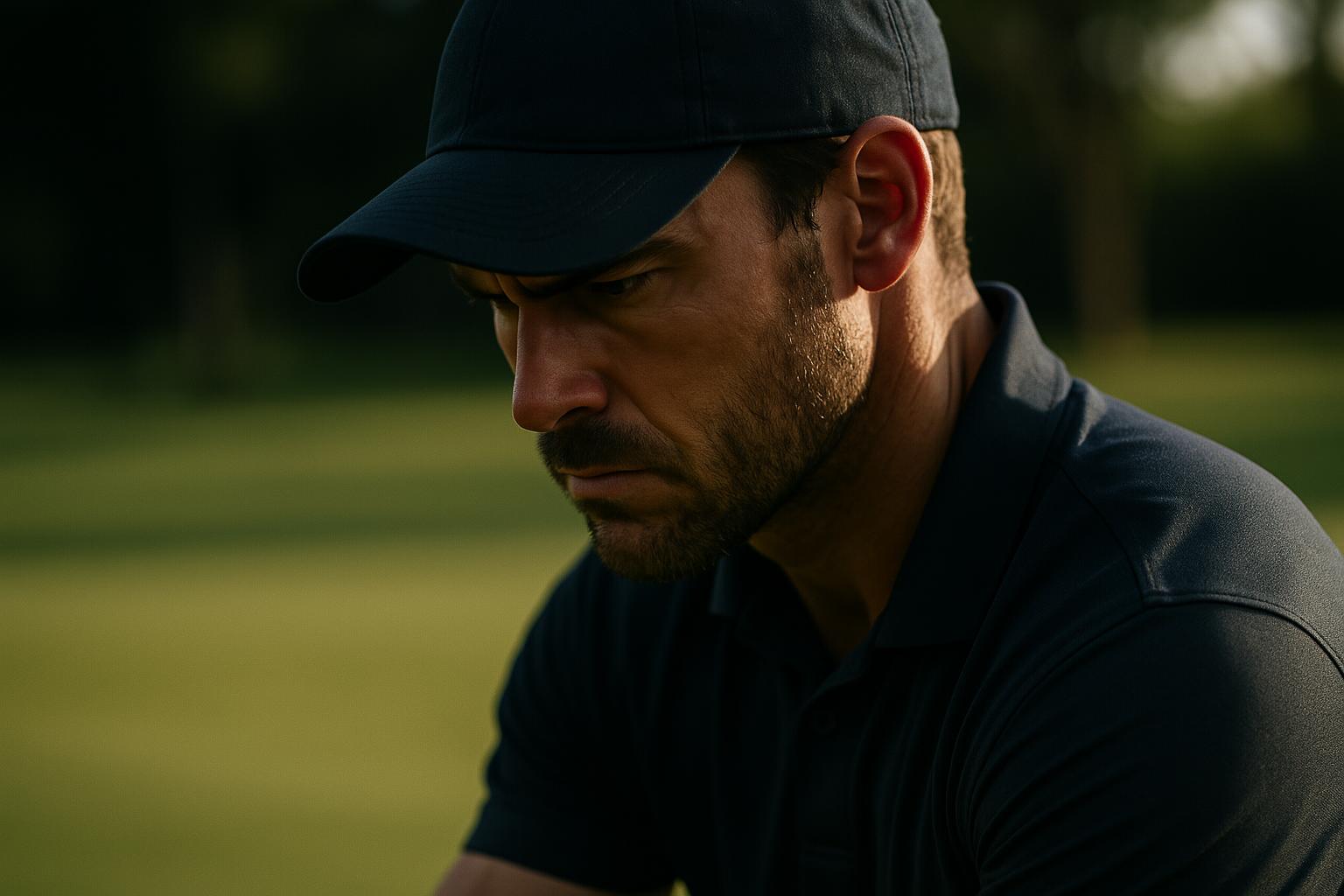
Golf is often called a mental game, and for good reason. While physical technique is important, the difference between a good round and a great round often comes down to what happens between your ears. I’ve seen golfers with beautiful swings fall apart under pressure, and I’ve watched players with less-than-perfect technique shoot amazing scores because they had their mental game dialed in.
The mental challenges in golf are unique. Unlike other sports where you react instinctively to changing situations, golf gives you time to think – sometimes too much time. Standing over a shot with water on the left and bunkers on the right, you have plenty of opportunity to imagine all the things that could go wrong. Learning to manage these thoughts and emotions is crucial for consistent performance.
Understanding Golf Pressure
Pressure in golf comes in many forms. There’s the pressure of playing well in front of others, the pressure of a tight match, the pressure of trying to break your personal best score, or simply the pressure of hitting a good shot after several poor ones. The key is recognizing that pressure is normal and learning to work with it rather than against it.
Physical symptoms of pressure include increased heart rate, sweaty palms, tight muscles, and shallow breathing. These are natural responses, but they can interfere with your golf swing if not managed properly. The first step in handling pressure is acknowledging these feelings rather than trying to ignore them.
Developing a Pre-Shot Routine
A consistent pre-shot routine is your best defense against pressure and negative thoughts. This routine should be the same for every shot, whether you’re hitting a driver on the first tee or a crucial putt to win a match. Your routine creates a familiar pattern that helps calm your mind and prepare your body for the shot ahead.
Your pre-shot routine should include both physical and mental elements. Physically, you might take a practice swing, check your alignment, and take a deep breath. Mentally, you should visualize the shot you want to hit and commit fully to that image. The key is making this routine automatic so it works even when you’re nervous.
Visualization is a powerful tool that many golfers underutilize. Before each shot, create a clear mental picture of the ball flying toward your target and landing exactly where you want it. See the trajectory, feel the solid contact, and imagine the positive result. This positive imagery helps crowd out negative thoughts and gives your subconscious mind a clear target to work toward.

Course Management Psychology
Smart course management is as much about psychology as it is about strategy. Playing within your abilities and making conservative choices when appropriate can actually boost your confidence and lead to better scores. There’s no shame in laying up short of a water hazard or aiming for the center of the green instead of attacking a tight pin position.
The key is honest self-assessment. Know your strengths and limitations, and plan your shots accordingly. If you’re not comfortable hitting a 3-iron, don’t try to hit one under pressure. If you struggle with draws, don’t attempt one when a fade will work just as well. Playing to your strengths builds confidence and reduces the likelihood of big mistakes.
Risk versus reward decisions should be made with your head, not your ego. Before attempting any risky shot, ask yourself: “What’s the best possible outcome, what’s the worst possible outcome, and what’s most likely to happen?” If the potential downside significantly outweighs the potential benefit, choose the safer option.
Dealing with Bad Shots and Bad Rounds
Every golfer hits bad shots and has bad rounds – it’s part of the game. The difference between good players and great players is often how quickly they recover from mistakes. Dwelling on a bad shot or getting angry about a poor result only makes it more likely that you’ll hit more bad shots.
Develop a short memory for bad shots. Allow yourself to feel disappointed for a few seconds, then let it go and focus on the next shot. Some golfers find it helpful to have a physical routine for releasing frustration, such as taking a deep breath and exhaling slowly, or making a practice swing to reset their feel.
Learn from mistakes without dwelling on them. If you hit a shot into the water, quickly analyze what went wrong (poor club selection, bad swing, mental error), make a mental note for future reference, then move on. The lesson is valuable, but continuing to think about it will only hurt your performance on subsequent shots.
Building Confidence
Confidence in golf is built through preparation and positive experiences. The more you practice and the more you understand your capabilities, the more confident you’ll feel on the course. Keep a record of your good shots and good rounds to remind yourself of your abilities when doubt creeps in.
Set realistic, achievable goals for each round. Instead of trying to shoot your career best every time out, focus on process goals like hitting a certain number of fairways or avoiding three-putts. These goals are more within your control and help build confidence through achievement.
Positive self-talk is crucial for maintaining confidence. Replace negative thoughts like “Don’t hit it in the water” with positive ones like “Hit it to the center of the green.” Your subconscious mind responds better to positive instructions than negative warnings.
Staying Present and Focused
One of the biggest mental challenges in golf is staying in the present moment. It’s easy to get ahead of yourself, thinking about what score you might shoot or worrying about difficult holes coming up. It’s equally easy to get stuck in the past, replaying bad shots or dwelling on missed opportunities.
The solution is to focus on one shot at a time. This isn’t just a cliché – it’s a practical mental strategy that keeps you grounded in the present moment. Before each shot, remind yourself that this shot is the only one that matters right now. The shots you’ve already hit are history, and the shots you haven’t hit yet don’t exist.
Breathing exercises can help you stay calm and focused. Before important shots, take a slow, deep breath in through your nose and exhale slowly through your mouth. This activates your parasympathetic nervous system, which helps calm your mind and relax your body.
Conclusion: Developing Mental Toughness
Mental toughness in golf isn’t about being emotionless or never feeling pressure. It’s about acknowledging these feelings and having strategies to deal with them effectively. Like physical skills, mental skills improve with practice and attention.
Start incorporating mental training into your practice routine. Spend time visualizing successful shots, practice your pre-shot routine, and work on staying positive even when things don’t go as planned. The mental game might not be as visible as your swing mechanics, but it’s just as important for shooting lower scores and enjoying golf more.
Remember that even the best players in the world struggle with the mental side of golf sometimes. The difference is that they have developed tools and strategies to help them work through these challenges. With practice and patience, you can develop these same mental skills and take your game to the next level.





Blog
The Most Dramatic Final-Day Finishes in Major Sports Tournaments
Many sports have some nail bitting finishes. Robert Greenfield recaps some major final day finishes in sports history.


The final day of major sports tournaments often delivers an exhilarating end to the competition that keeps fans on the edge of their seats. There’s no better testament to the suspense and drama of sports than those last-minute turnarounds, nail-biting finishes, and underdog triumphs that define the beauty of competition. This article will take you on a thrilling journey through some of the most dramatic final-day finishes in major sports tournaments, reminding us all why we love sports in the first place.
-
- The Miracle of Istanbul – 2005 UEFA Champions League Final
The 2005 UEFA Champions League Final between Liverpool and AC Milan is etched in the annals of football history as one of the most dramatic comebacks ever witnessed. AC Milan, boasting a star-studded lineup, went into halftime with a seemingly unassailable 3-0 lead. However, Liverpool had other plans. In a six-minute spell after halftime, the Reds staged an incredible comeback to level the match at 3-3, eventually winning the game on penalties. The victory was a testament to the never-say-die spirit of Liverpool and the unpredictability of football.
-
- The “Shot Heard ‘Round the World” – 1951 National League Pennant Playoff
In baseball’s history, few moments match the drama of the 1951 National League Pennant Playoff. The New York Giants and the Brooklyn Dodgers were facing off in a three-game playoff to determine the National League champion. In the bottom of the ninth inning of the decisive third game, with the Giants trailing 4-2, Bobby Thomson hit a game-winning three-run homer off Dodgers pitcher Ralph Branca. This legendary moment, known as the “Shot Heard ‘Round the World,” is one of the most iconic in baseball history.
-
- The 1999 Ryder Cup “Battle of Brookline”
The 33rd Ryder Cup, held at The Country Club in Brookline, Massachusetts, saw one of the greatest comebacks in the history of golf. The United States trailed Europe 10-6 heading into the final day, but in a stunning display of determination and skill, the American team clawed back to win 14.5-13.5. The victory, known as the “Battle of Brookline,” is still celebrated as a pivotal moment in golf history.
-
- The 1980 “Miracle on Ice”
One of the most dramatic moments in the history of ice hockey came during the 1980 Winter Olympics. The heavily favored Soviet Union team was expected to sweep the gold, but the underdog United States team had different plans. In a game filled with tension and drama, the U.S. team defeated the Soviets 4-3 in a match now known as the “Miracle on Ice.” This victory is not only iconic in the sport of ice hockey but also a significant moment in American sports history.
- The 2019 Cricket World Cup Final
The final of the 2019 Cricket World Cup between England and New Zealand was filled with unprecedented drama and suspense. Both teams ended their innings tied on 241 runs, leading to a Super Over – cricket’s version of a tiebreaker. Incredibly, the Super Over also ended in a tie, with both teams scoring 15 runs. England was ultimately declared the winner on the basis of a boundary countback rule, marking their first-ever World Cup victory.
Conclusion
The unpredictability, suspense, and drama are what make sports so captivating. These dramatic final-day finishes remind us of the thrilling highs and lows that come with the world of competitive sports. As fans, we live for these moments, cherishing the unexpected triumphs and heartbreaking defeats. The next time you find yourself watching the final day of a major sports tournament, remember these historic moments and brace yourself for the potential drama that could unfold.
Blog
Weather and the Game: The Undeniable Influence of Elements on Championship Outcomes
Learn how weather affects different championship outcomes.

Introduction
As a sports enthusiast, you might have noticed that weather plays a significant role in sporting events, particularly in championships. From the power of a baseball pitch to the course of a golf ball, from the strength of a football kick to the stride of a marathon runner – the elements can influence each of these and more. In this article, we delve into the fascinating intersection of meteorology and sports, examining how weather conditions can make or break a championship game.
The Impact of Weather on Different Sports
Whether it’s football, baseball, golf, tennis, or marathon, each sport faces unique challenges when it comes to weather. Let’s delve into the specifics:
Football and Weather Elements
Football is a sport that’s played in almost all weather conditions except for severe ones like lightning storms. However, weather elements have a significant impact on the game.

-
- Rain: A wet field makes the ball slippery, impacting players’ ability to handle, pass, or kick the ball accurately. Rain can also make the field muddy, affecting the players’ ability to move swiftly.
- Wind: Strong wind can alter the trajectory of the ball, affecting passes and kicks.
- Cold: Extremely cold temperatures can affect players’ physical performance and endurance, while also making the ball harder and more challenging to catch.
Baseball and Weather Elements
Baseball is another sport where weather conditions can significantly influence the outcome.
-
- Wind: The direction and speed of the wind can affect the trajectory and distance a baseball travels.
- Humidity: High humidity can make the ball denser, potentially reducing its bounce and speed.
- Temperature: Low temperatures can make the ball harder, affecting its bounce and the players’ ability to grip and hit it effectively.
Golf, Tennis, and Marathons
Weather conditions play an equally crucial role in golf, tennis, and marathons.
-
- Wind: In golf, the wind can alter the ball’s direction and distance. In tennis, wind can affect ball control, altering serves and volleys.
- Temperature: Extreme heat can affect a marathon runner’s performance significantly, leading to dehydration and exhaustion.
- Rain: In golf, a wet course can slow down the ball, while in tennis, a wet court can make the ball bounce irregularly.
Case Studies: Weather Influencing Championship Outcomes
This section presents some examples of games where weather conditions significantly influenced the outcome.
- The “Ice Bowl” (1967): The NFL Championship game between the Green Bay Packers and the Dallas Cowboys, often referred to as the “Ice Bowl,” witnessed one of the coldest conditions in NFL history, affecting players’ performance and the final outcome.
- The “Windy City” World Series (1945): The World Series game between the Chicago Cubs and Detroit Tigers was so affected by the wind that it changed the trajectory of the baseball multiple times, influencing the game’s final score.
- Wimbledon Championships (2019): The final match between Novak Djokovic and Roger Federer was played with the Centre Court’s roof closed due to rain, limiting the natural elements’ effects and perhaps altering the match’s dynamics.
Conclusion
The impact of weather on sports is an exciting field of study, revealing how the natural elements influence games and championships. From altering the trajectory of a ball to affecting a player’s physical performance, weather can indeed be a game-changer. As fans and enthusiasts, understanding these influences can add another layer of excitement and anticipation to our favorite sports.
So the next time you attend or watch a game, remember to check the weather forecast. It might just give you a sneak peek into the game’s possible outcome!
Blog
The Unofficial Rules of Golf: A Gentleman’s Guide to Not Being Judge Smails
The official rulebook is thicker than a dictionary and twice as boring. Let’s talk about the rules that really matter on the course: how to have fun, respect the game, and not be a stick-in-the-mud. Hint: It involves less plaid and more cosmic harmony.

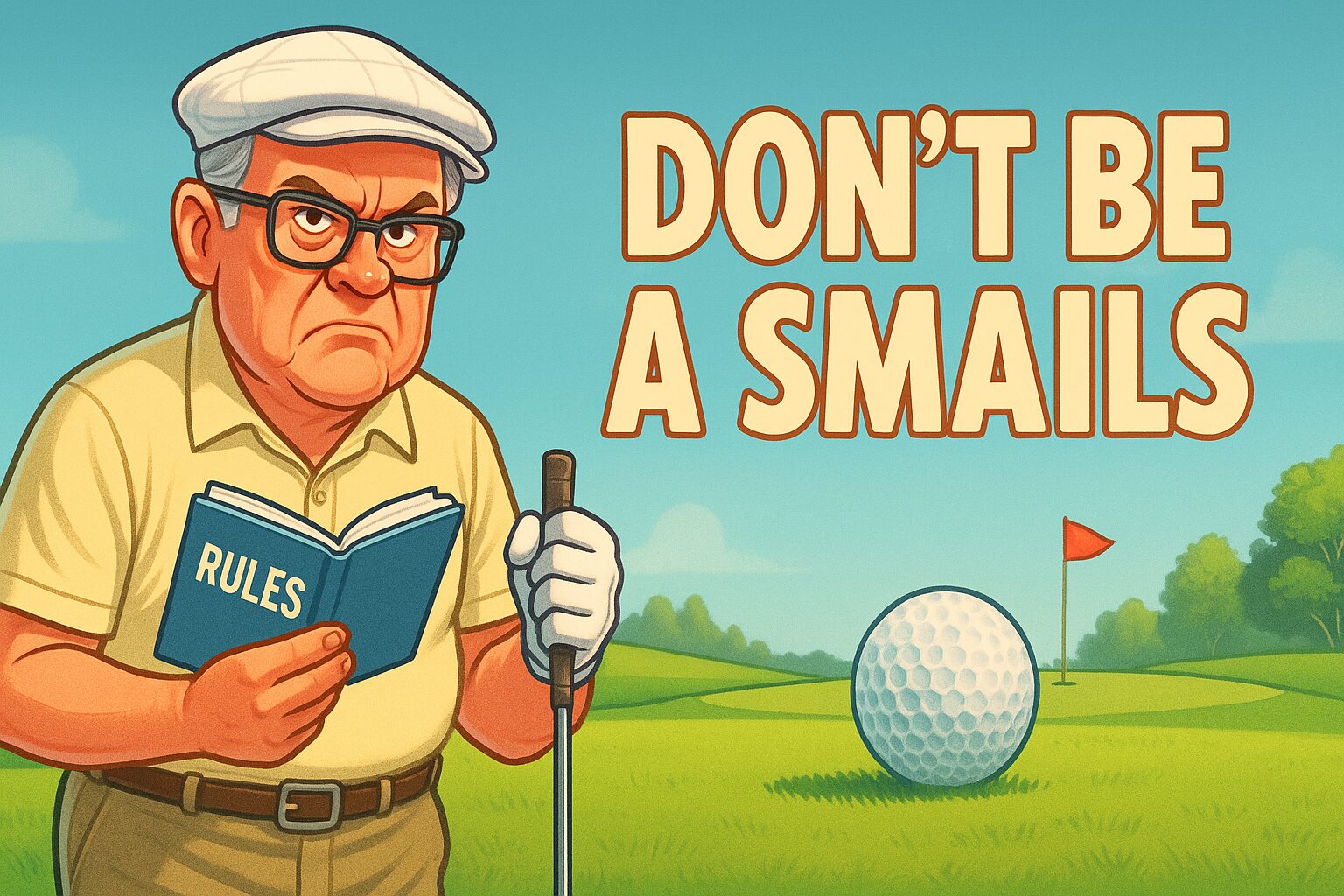
You’ve seen him. I’ve seen him. The guy who quotes the USGA rulebook like it’s scripture. He’ll happily tell you your ball moved a quarter of an inch when you addressed it, costing you a penalty stroke. He’s got a plumb bob for a three-foot putt and the personality of a rake. He is, in spirit, Judge Smails. And let’s be honest, nobody wants to be Judge Smails.
The real game of golf, the one that keeps us coming back, isn’t played by those rules. It’s played by a higher law. An unwritten code of conduct that’s all about flow, friendship, and the pursuit of that one perfect shot. It’s a gentleman’s agreement with the universe.
So, let’s talk about the rules that actually matter.

1. The Cosmic Readjustment (aka The Mulligan). Your first tee shot is a mess. It goes sideways into the woods where the gophers play. The Smails of the world would tell you to take a penalty and hack it out. I say the universe is just getting warmed up. The “breakfast ball” isn’t cheating; it’s a course correction. It’s an agreement among friends that a round of golf shouldn’t be ruined before it even begins. Take another. The Dalai Lama would want you to.
2. The Art of Flow (aka Pace of Play). This isn’t about rushing. Rushing is a fool’s game. This is about flow. It’s about being ready to hit when it’s your turn. It’s about watching your friend’s shot so you can help them find it. It’s about moving with a purpose, not like you’re searching for your car keys in a dark parking lot. Don’t be the anchor that drags the whole group down. See the line, hit the ball, walk on. Nanananana.
3. The Circle of Friendship (aka Gimmes). Is the putt inside the leather? Good enough. Pick it up. Life is too short to watch your buddies sweat over an 18-inch putt for a double bogey. A gimme isn’t just a time-saver; it’s a gesture of goodwill. It says, “I trust you, you trust me, and neither of us needs the anxiety of missing this tiny putt.” It’s good for the karma, and even better for the pace of play.
4. The Final Verdict (aka The 19th Hole). The most important rule is this: no matter what happened out there, you shake hands on the 18th green and settle things over a cold drink at the 19th. The guy who shot an 82 and the guy who shot a 102 are equals in the clubhouse. The stories get better, the putts get longer, and the bad shots fade away. This is where the real game is won.
So, forget about the fine print. Focus on the feeling. Be a good playing partner, enjoy the walk, and don’t be a Smails. You’ll find your score starts to take care of itself.
Did this speak to your soul? Pass it along to your foursome to make sure everyone is on the same page. For more deep thoughts from the fairway, be sure to follow us on social media. It’s the right thing to do.
- Advertisment



The Most Dramatic Final-Day Finishes in Major Sports Tournaments

Weather and the Game: The Undeniable Influence of Elements on Championship Outcomes

The Unofficial Rules of Golf: A Gentleman’s Guide to Not Being Judge Smails





-
 Product Review6 years ago
The Perfect Practice Putting Mat Review by Jason Tenzer
-
 Blog4 years ago
Loophole Rule Offers PGA Tour Pros a Mulligan
-
Blog4 years ago
2021 Buyer’s Guide: The Top 10 Value Golf Balls For Distance & Feel
-
Blog5 years ago
Golf Marriage Counselor
-
 Blog6 years ago
9 Biggest Chokes Of The Past Decade
-
 Product Review6 years ago
THE ADJUSTABLE IRONS: WALKING STICKS GOLF CLUBS
-
Blog4 years ago
What Your Golf Clubs Say About You
-
Equipment6 years ago
OHK Sports Interview by Jason Tenzer