Blog
The 7 juiciest U.S. Open storylines to follow at Los Angeles Country Club

LACC is hosting its first U.S. Open. Trust me, I have played there, it will be a real test. And that USGA rough will be crazy this year! Like you wont be able to see the color of your shoes crazy in some spots!
Let’s face it – The golf world has already been turned upside down this month, and there are undoubtedly more fireworks to come this week with the third men’s major of the year, the U.S. Open.
In the wake of last Tuesday’s shocking announcement by the PGA Tour that it is combining commercial operations with the Saudi Arabian Public Investment Fund (which funds LIV Golf) and DP World Tour, the best golfers in the world — including LIV’s finest — head to Hollywood for golf’s toughest test on a mostly unfamiliar venue in Los Angeles Country Club.
Storylines will abound this week, but here are seven of the best we’ll be closely following.
1. Pro golf’s future…ad nauseam

The U.S. Open is not run by either the PGA Tour or LIV Golf, but you can bet those two tours will be discussed at length this week. The Open will be the first gathering of players from both tours since the stunning deal was unveiled. Relations had somewhat normalized four weeks ago at the PGA Championship where Brooks Koepka became the first LIV Golf major champion. But no one — save for PGA Tour commissioner Jay Monahan, PIF Governor Yasir Al-Rumayyan, and their respective inner circles — could have foreseen the circumstances surrounding the game’s third major. The arrangement is not finalized and the US Senate has just opened an inquiry on the nature of the deal…so there are still many unknowns about what pro golf might actually look like next year. Expect many of the players who have yet to weigh in to be peppered with questions about it early in the week. Get your popcorn ready!

2. A different kind of U.S. Open venue

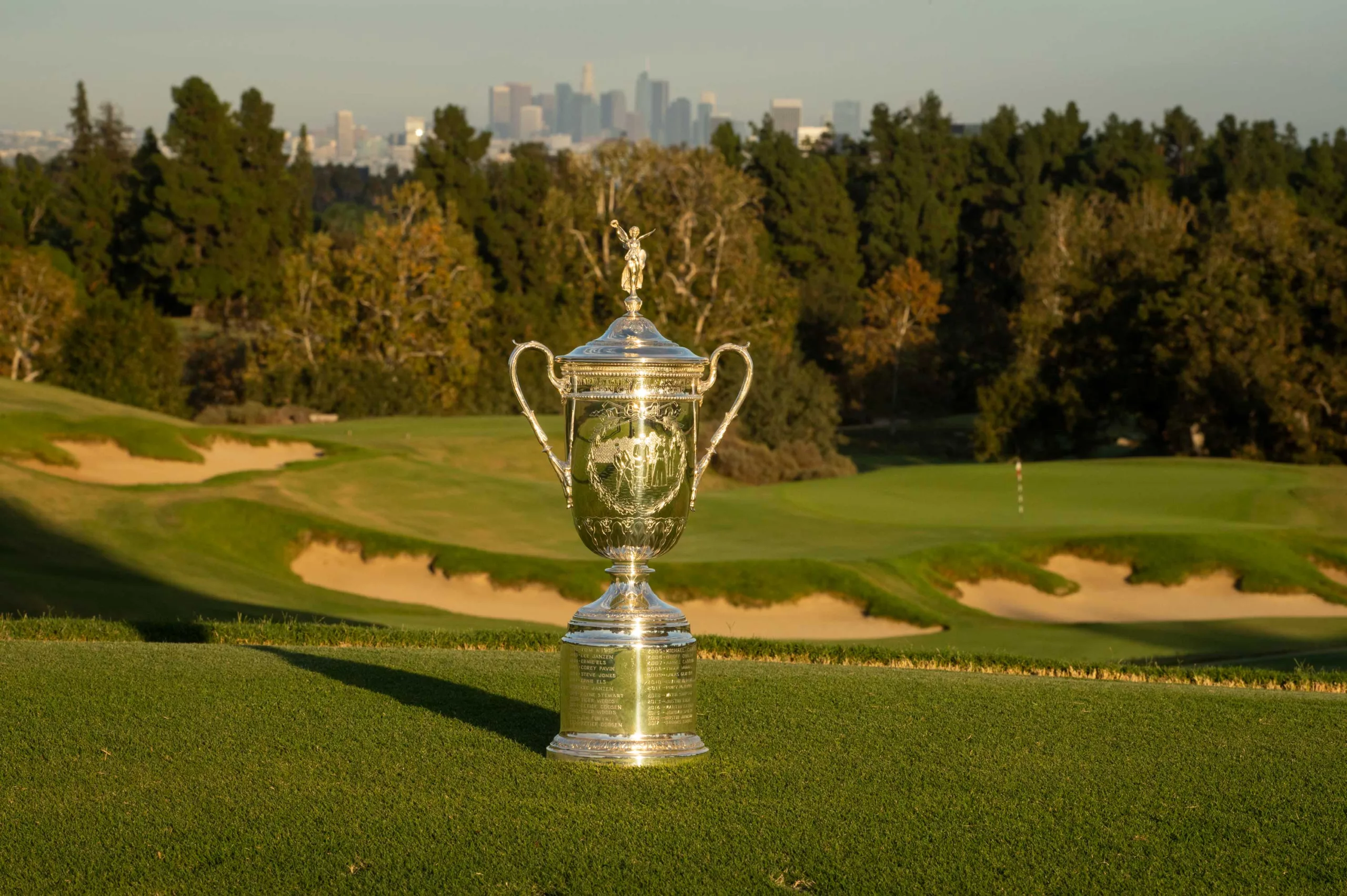
Now to the birdies and bogeys. Los Angeles Country Club will play host to its first-ever U.S. Open and its first PGA Tour event since the 1940 Los Angeles Open. Needless to say, LACC’s North course has changed a good bit in the past 73 years, especially since a 2010 Gil Hanse-led restoration of the George Thomas design. The club has typically been one of the more reclusive and exclusive in the country; until recently, the membership has been less reluctant to show off the course.
The course will still feature brutally long U.S. Open rough, but this will be Bermuda rough (a first at the U.S. Open since 2005) and there won’t be quite as much of it. Wide fairways will force pros to get strategic as they plot their way around. There are two par-3s that may play as long or longer than the par-4 6th. The U.S. Open is typically the hardest of the four majors — and that should still be the case this year — but just in a different way.
3. Can Phil Mickelson complete the Grand Slam?
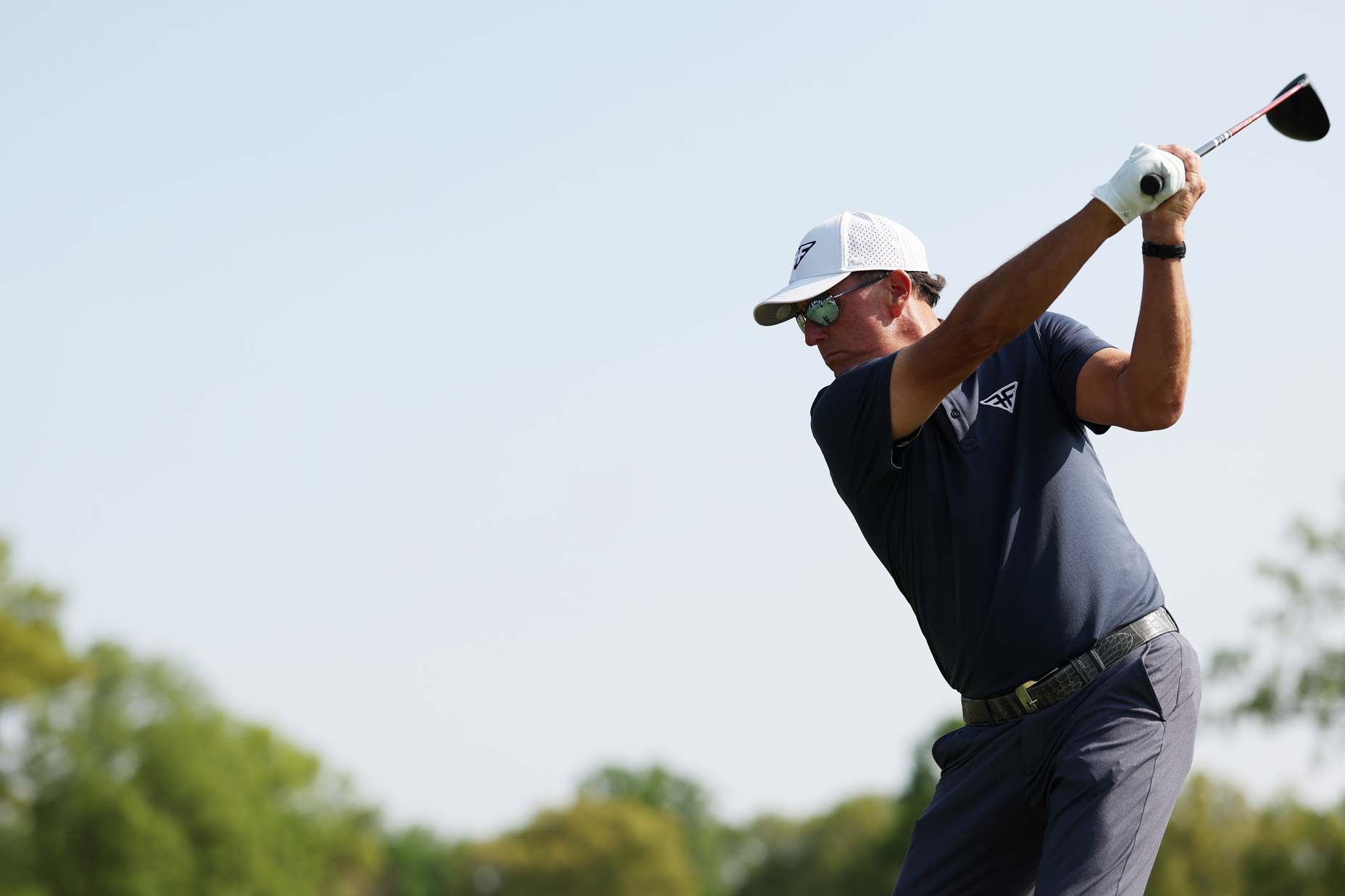
Are we crazy for rating this the third-biggest storyline? Maybe. But Phil Mickelson made us all think twice about his major prospects when won the 2021 PGA Championship. Then LIV Golf happened and he put together a number of poor showings. But at Augusta in April, he redefined everybody’s expectations once again by rallying for a Sunday 64 and a T2 finish. He made the cut and finished back of the pack at the PGA Championship last month, but even as he celebrates his 53rd birthday Friday, is it that outrageous to think he could contend again? While I am sure there is some gas left in the tank, and he is a so cal guy, my money is on a missed cut. Sorry Phil, just gotta shoot ya straight. I hope I’m wrong, but this course is a different and unfamiliar beast.
4. When will Rory McIlroy win another major?
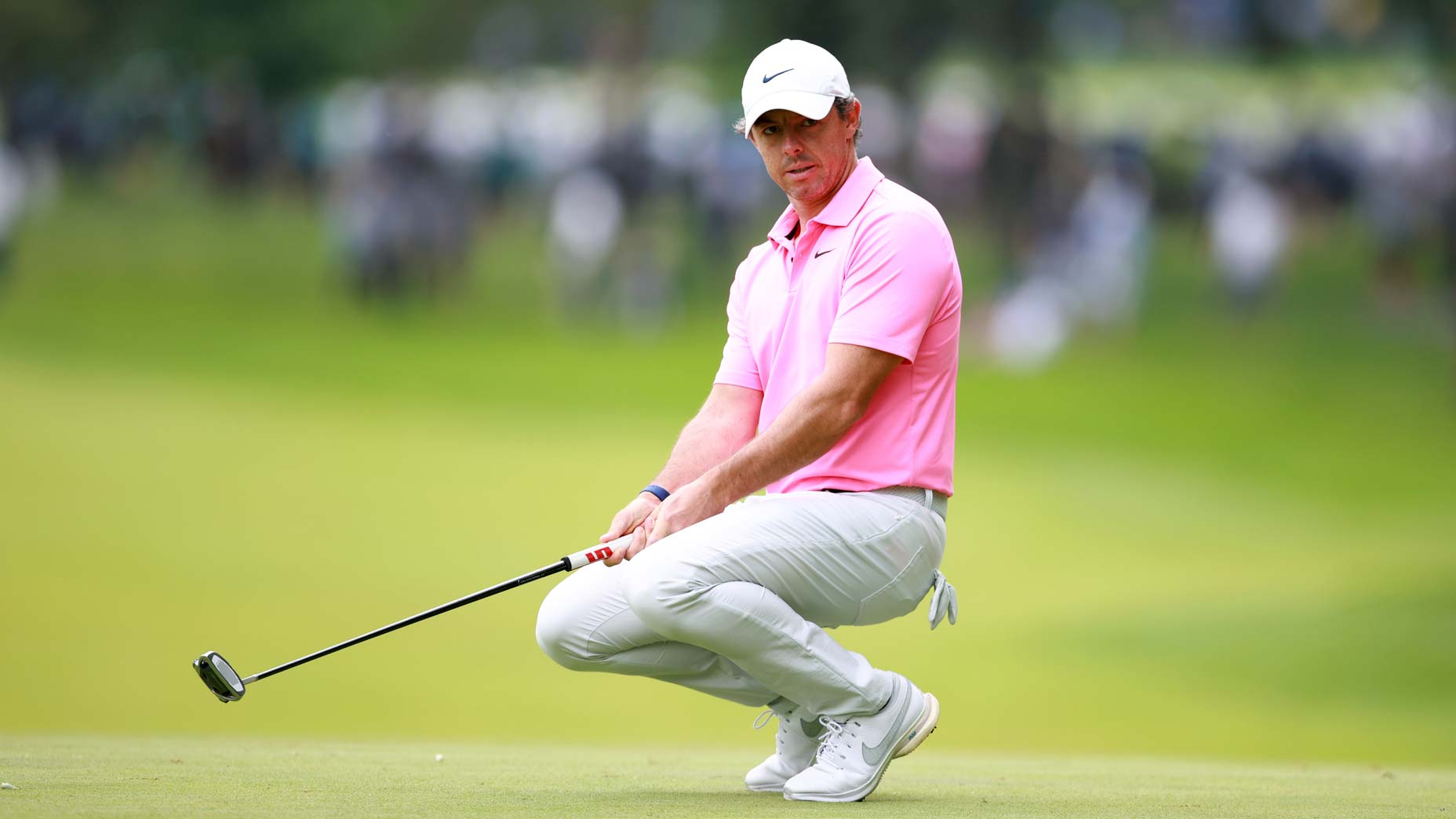
With the weight of his “PGA Tour spokesperson” role theoretically lifted, can McIlroy finally win a major after nine years? That’s right read that again – It’s been over 3,000 days and 35 Major chances without taking home the hardware. He shockingly missed the cut at the Masters after finishing in the top 10 in every major in 2022. At the PGA, he was solid but recorded a distant T7, seven strokes behind Brooks Koepka. He’s been near the lead in each of his last two PGA Tour starts only to fade out of contention on Sunday. Not only is he seeking to end his major drought, but he also has yet to win on the PGA Tour this season. McIlroy was in a similar position in 2022 before winning in Canada the week before the U.S. Open and later claiming the FedEx Cup. He finished T-9 last week at the RBC and will be paired with Keopka in the first 2 rounds of the U.S. Open this year – That is must-see TV
5. Who is No. 1?
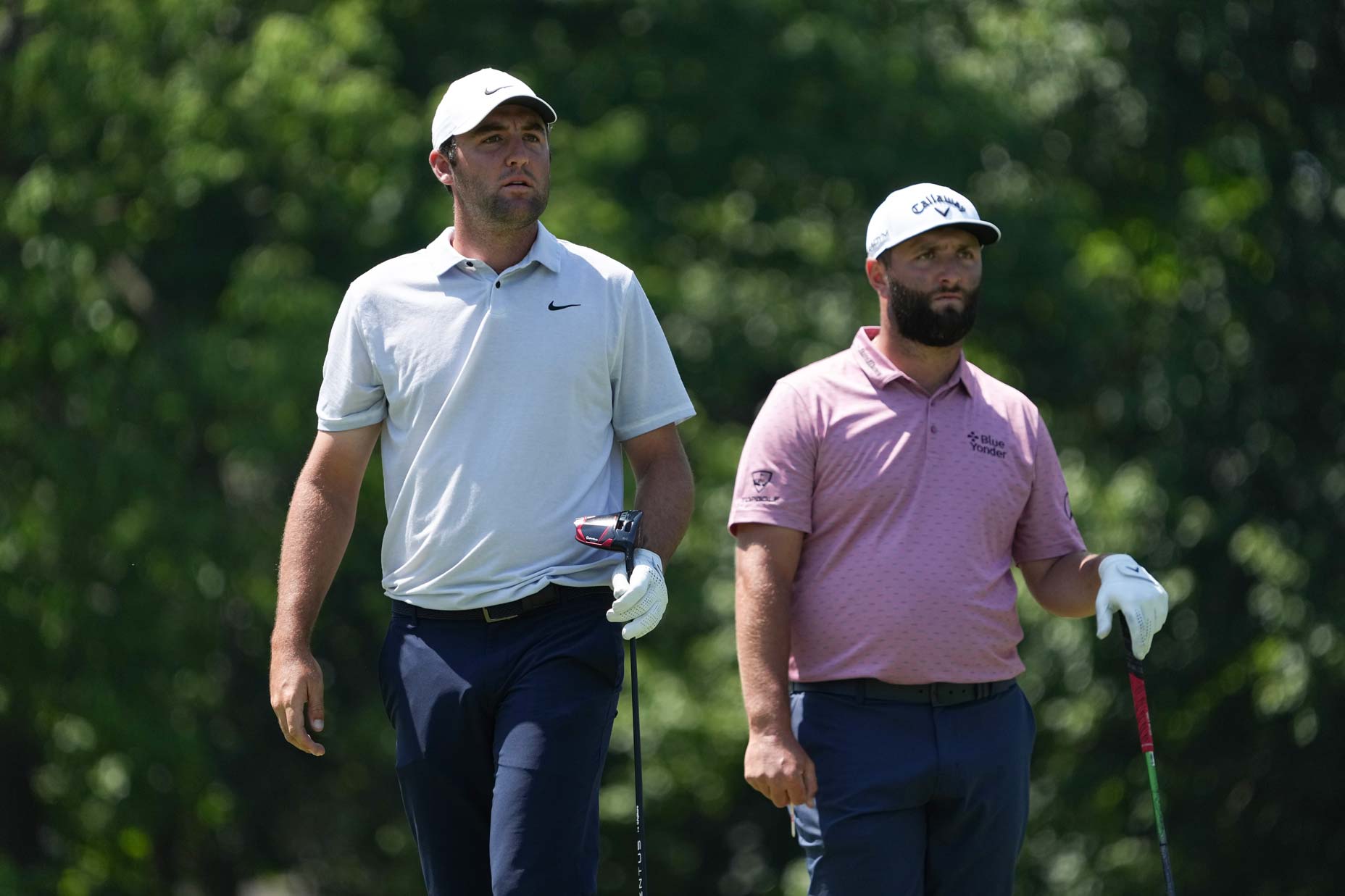
McIlroy may have begun 2023 with the No. 1 ranking, but Jon Rahm quickly asserted himself as the world’s best golfer by winning four times, including the Masters. But after two wins, including the Players Championship, Scottie Scheffler enters the year’s third major as the World No. 1. Scheffler’s struggles on the greens have been well documented but his otherworldly ball-striking has carried him to a T2 at the PGA, and T3s in his last two starts on Tour (he finished a shot out of playoffs each time). Rahm, meanwhile, has been quieter since his Masters win but is no doubt still poised to collect a second U.S. Open title. Of course, neither player won the PGA Championship. That accolade went to Koepka, who also finished T2 at the Masters and is looking very much like his 2017-19 World No. 1 self. Koepka is built to win majors and this course sets up great for him – I like his chances to give it a run on Sunday.
6. California King Max Homa returns home
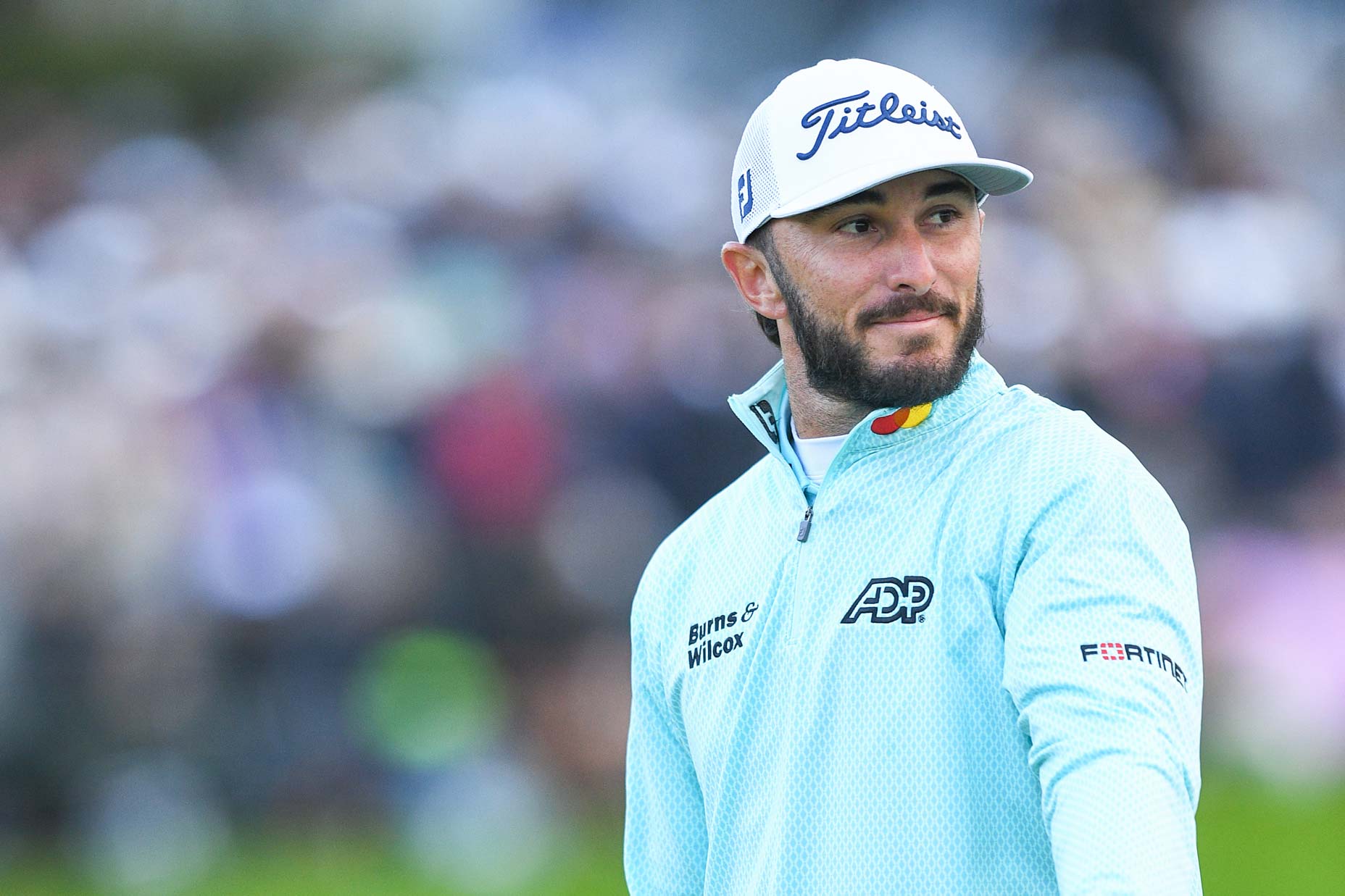
You may have heard Max Homa owns the LACC North course record. Then a senior at Cal, Homa fired a nine-under 61 in the opening round of the 2013 Pac-12 Championships. Fast-forward 10 years and Homa is now a six-time PGA Tour winner with all but two of them coming in his home state. But Homa has still yet to record a top-10 in a major championship. He will no doubt have his attention divided this week with all the friends and family around. But there’s no better opportunity for him to get in contention at a course he might know better than anyone else in the field. I love the chances of a Top-10 run and maybe even a chance to hoist a trophy come Sunday Evening.
7. Will an amateur contend?
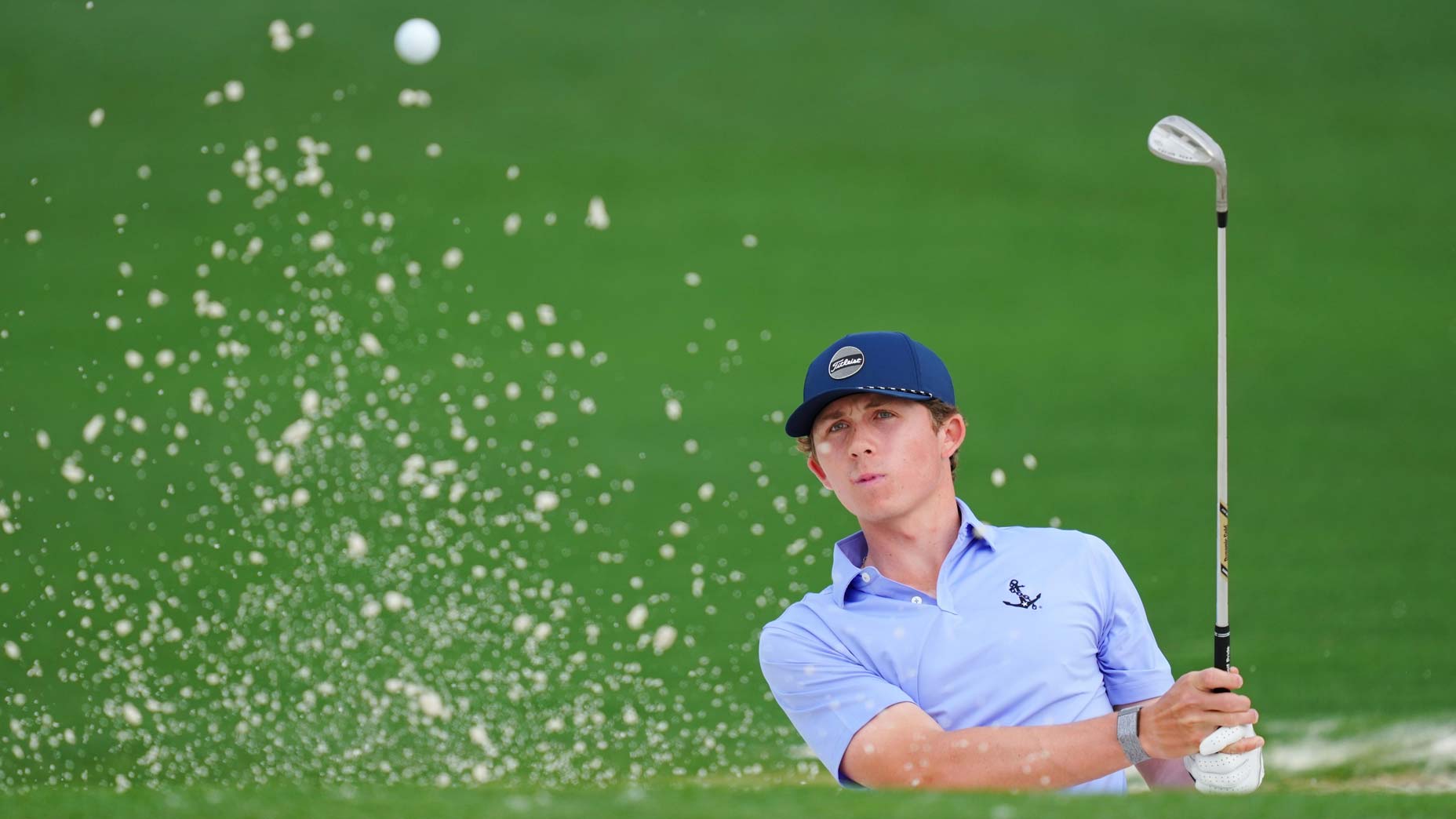
The first two majors both thrilled fans with underdog stories. At the Masters, it was U.S. Amateur winner Sam Bennett who played his way into the final group Saturday and ultimately finished as low amateur with a T16. Last month’s PGA Championship saw club pro-Michael Block come from nowhere to hang around the lead all four days and eventually finish T15 and earn his way back to the tournament next year. While Bennett is playing his second tournament as a pro this week and Block just missed qualifying for his third U.S. Open, there are still 19 amateurs and plenty of other journeyman pros who could delight fans with a Cinderella story.
Blog
Sustainability in Golf: The Future of Eco-Friendly Greens
Read about the environmental impact of golf courses.
Golf, a sport often associated with pristine, manicured greens and lush landscapes, isn’t historically perceived as eco-friendly. However, with growing concerns about climate change and sustainability, the golf industry is steadily transitioning towards more sustainable practices. This article will explore how golf courses around the world are becoming greener and more eco-friendly while maintaining their appeal to golf enthusiasts.

The Environmental Impact of Golf Courses
Golf courses traditionally use extensive resources, including water, pesticides, and fertilizers, which can have detrimental effects on the environment.
-
-
- Water Usage: Maintaining the verdant landscapes of a golf course requires enormous amounts of water. This is particularly concerning in regions where water scarcity is a significant issue.
- Pesticides and Fertilizers: To keep golf courses lush and free of pests, large amounts of chemicals are often used. These substances can seep into the ground, polluting water sources and harming local wildlife.
- Habitat Disruption: Golf courses often displace natural habitats, upsetting local ecosystems and reducing biodiversity.
-

Green Initiatives in Golf: Sustainability on the Fairways
Recognizing the environmental impact, many golf courses are now implementing sustainable practices to reduce their ecological footprint.
Water Conservation
Water conservation is a significant focus in eco-friendly golf course design. Methods employed include:
-
-
- Recycled Water: Many golf courses are now using recycled water or rainwater for irrigation, significantly reducing the use of freshwater resources.
- Drought-resistant Grass: Some courses are opting for drought-resistant varieties of grass that require less watering.
- Irrigation Technology: Advanced irrigation systems can efficiently distribute water, minimizing waste.
-

Reducing Chemical Usage
Reducing the use of harmful chemicals is another crucial step towards sustainability in golf. This can be achieved through:
-
-
- Organic Fertilizers and Pesticides: Many golf courses are switching to organic alternatives, which are less harmful to the environment.
- Integrated Pest Management: This approach focuses on long-term prevention of pests through biological control and habitat manipulation, reducing the need for chemical pesticides.
-

Preserving Local Habitats
Golf courses are increasingly being designed to coexist harmoniously with local ecosystems. This involves:
-
-
- Preserving Natural Features: Instead of altering the landscape to fit the course, designers are now incorporating existing natural features into the design.
- Creating Wildlife Habitats: Some golf courses are creating habitats for local wildlife, promoting biodiversity.
-
Case Studies: Sustainable Golf Courses Around the World
There are several golf courses worldwide that serve as excellent examples of sustainability in the industry.
- Pebble Beach Golf Links, USA: This renowned golf course uses recycled water for irrigation, reducing its freshwater use by 50%.
- St Andrews Links, Scotland: Known as the “Home of Golf”, St Andrews Links has implemented an extensive environmental management plan, including water conservation, habitat protection, and the use of organic fertilizers.
- Vineyard Golf Club, USA: This golf course in Massachusetts is one of the first to become fully organic, using only organic fertilizers and pesticides.
The Future of Sustainable Golf
The golf industry’s move towards sustainability is not just about eco-friendly practices on the course. It’s also about educating players and visitors about the importance of sustainability, thus promoting a culture of environmental consciousness.
While the transition to greener practices may be challenging, the benefits are immeasurable. Sustainable golf courses not only help protect the environment, but they can also enhance the playing experience, offering golfers the chance to play their favorite sport while surrounded by thriving, natural landscapes.
In conclusion, as awareness of environmental issues continues to grow, the question of “how green can the greens get?” is being answered by golf courses worldwide. Through innovative practices and a commitment to sustainability, the future of golf looks set to be greener than ever. As players, supporters, and enthusiasts of the sport, we can all contribute to this positive change by supporting golf courses that prioritize sustainability and by advocating for green practices within the golfing community.
Blog
The Golfer’s Holiday Hint-Dropping Guide
Your spouse thinks you want socks. You want a new driver. Here’s how to fix that.
Because subtlety is overrated when there’s a new driver on the line
Your spouse thinks you want socks.
Your kids think you want a tie.
Your mother-in-law is convinced you’d love another sweater with a reindeer on it, even though you’ve worn the last three exactly never, and everyone knows it, but somehow this year will be different.
It won’t be.
Here’s the problem. You want golf stuff. They don’t know what golf stuff means. You say “rangefinder” and they hear “robot finder.” You mention “premium golf balls” and they think all golf balls are the same, which is adorable but wrong, and you can’t exactly explain that without sounding like a crazy person who cares too much about dimple patterns.
So you need a strategy.
Not a subtle one either. Forget dropping hints like breadcrumbs. Drop them like anvils. We’re talking about a systematic campaign of suggestion, repetition, and strategic device-leaving that would make Madison Avenue jealous.
The Laptop Strategy (For the Tech-Savvy Golfer)
Leave your laptop open. Always. But not to just anything.
Open to golf retailer websites with items in your cart. Specific items. With the size, color, and model number clearly visible. And here’s the key – leave it open on the kitchen counter where your spouse makes coffee, because everyone looks at screens while waiting for coffee, it’s basically a law of physics at this point.
Do this for three weeks straight. Different items, same cart. They’ll get the message. And if they don’t, you’ve got a backup plan because you can just buy it yourself on December 26th when everything goes on sale.
The Casual Mention Method
This requires finesse.
Not too much though.
The goal is to work golf gifts into every conversation without seeming obsessed, which you are, but they don’t need to know that. Your daughter mentions her science project? “Speaking of projects, I’ve been thinking about upgrading my wedges.” Your son talks about his basketball shoes? “Funny you mention shoes – golf shoes with better traction would really help my game.” The mailman asks how you’re doing? “Great, though I’d be better with a new putter.”
Is this overkill? Maybe. Will it work? Absolutely.
The Magazine Massacre
Buy every golf magazine on the newsstand. Dog-ear the pages. Circle items in red pen. Write notes like “This would be perfect!” and “Honey, look at this one!” and leave them everywhere – the bathroom, the nightstand, the kitchen table, the car, their car, basically anywhere someone might sit for more than thirty seconds.
When they ask why there are seven golf magazines in the living room, just smile and say you’re “doing research.” Research for what? They won’t ask. They’re too busy looking at all those circled items with price tags helpfully highlighted.
The Strategic Screenshot
Text them screenshots. Daily.
“Look at this cool driver!” Send.
“These gloves are on sale!” Send.
“Remember when I mentioned wanting new golf shoes? These are the ones.” Send with three heart emojis because you’re not a monster, you still care about the relationship, you just also care about having the right equipment to shave three strokes off your game.
It’s called balance.
The Gift List That’s Not a Gift List
Create a shared note on your phone called “Gift Ideas” and fill it exclusively with golf items. When they ask what you want for Christmas, just say “Oh, I don’t know, I’m easy to shop for!” and then casually mention you made a little list of ideas, you know, just in case they needed inspiration, no pressure, but it’s organized by price range and includes links.
This works because you’re giving them exactly what they want – a clear shopping list – while maintaining the illusion that you’re being flexible. You’re not. But they don’t need to know that until after the presents are wrapped.
The Buddy System
Recruit your golf buddies. Have them “accidentally” call when your spouse is around. Make sure they loudly discuss the new equipment they just bought and how much it’s improved their game. Your spouse will hear. They’ll connect the dots. And if they don’t, have your buddy call again tomorrow. And the next day. Eventually, either your spouse will buy you golf stuff or they’ll buy you a different phone number, and honestly, both outcomes have their merits.
The Amazon Wish List Blitz
Create an Amazon wish list. Share it with everyone. Your spouse, your kids, your parents, your siblings, your coworkers, that guy you met at the driving range once, everyone.
Put forty items on it. Thirty-eight should be golf-related. The other two? A book and a candle, just so you seem reasonable and well-rounded, which you’re not, but again, they don’t need to know that.
Update it weekly. Add reviews in the comments like “Would really help my slice” or “These are the exact ones my pro recommended.” Make it impossible for them to buy anything else because everything else looks boring compared to golf equipment that promises to transform your game, which it might not, but the promise is what matters here.
The Direct Approach (For the Brave)
Just tell them.
Seriously.
Sit them down. Look them in the eyes. Say “I want golf stuff for Christmas. Specifically, I want this driver, these balls, and this rangefinder. Here are the links. Here are the specs. I’ve made it as easy as possible. Thank you for listening to my TED talk about my golf needs.”
Will they appreciate the honesty? Probably. Will you get what you want? More likely than if you kept hoping they’d telepathically understand that you need a new sand wedge because the grooves on your current one are worn down and it’s affecting your bunker play, which is already bad enough without equipment issues.
The Follow-Up Campaign
Don’t stop after dropping hints. Follow up. “Did you see that text I sent about the driver?” Ask during dinner. “Remember those golf shoes I mentioned?” Ask during breakfast. “Still thinking about that rangefinder.” Say it to no one in particular while watching TV.
Repetition is your friend. Marketing people know this. Politicians know this. Now you know this. Say it enough times and it stops being a hint and starts being a fact – you want golf stuff, they know you want golf stuff, and somewhere in the back of their mind, they’re starting to accept that golf stuff is happening this year.
The Backup Plan
Here’s the truth – they might still get it wrong. They might buy you golf-themed pajamas when you wanted golf balls. They might get you a gift card to a mini-golf place when you wanted a membership to a real course. They might wrap up golf socks, which are fine, but they’re not the GPS watch you’ve been talking about since July.
It’s okay. Say thank you. Mean it. Then on December 26th, hit those post-Christmas sales like a bargain hunter who knows exactly what they want and has been planning this shopping trip since Thanksgiving.
Because you have been.
And that’s fine. Golf equipment is expensive. If waiting one more day means you can get 40% off that driver you’ve been eyeing, that’s called being financially responsible. Your spouse will appreciate it. Eventually. After you explain why you needed three new wedges when you already have wedges.
“The grooves,” you’ll say.
They won’t understand.
But you’ll have new wedges.
The Real Gift
Look, here’s what matters. The holidays aren’t really about getting the perfect golf equipment, even though that would be nice, and you’ve spent considerable mental energy making sure everyone knows exactly what you want.
The holidays are about spending time with people you love. Even if they buy you reindeer sweaters. Even if they think all golf balls are the same. Even if they wrap up golf socks when you desperately need new grips for your irons.
They’re trying. That counts for something.
But also, leave your laptop open to that golf retailer website. Just in case. Because trying is good, but specific product links are better, and you didn’t make it this far in the season without having a solid Plan B.
Happy holidays. May your drives be long, your putts be true, and your gift-givers be observant enough to notice the forty-seven hints you’ve dropped since October.
And if all else fails?
There’s always next year.
Blog
Unveiling the History and Symbolism of Iconic Golf Trophies
Golf is a sport steeped in tradition, prestige, and class. From the lush greens of the course to the meticulously designed clubs, each aspect of the game exudes a sense of history and elegance.
Golf is a sport steeped in tradition, prestige, and class. From the lush greens of the course to the meticulously designed clubs, each aspect of the game exudes a sense of history and elegance. Among these elements, golf trophies – the coveted prizes of the tournament – hold a special place. These iconic awards not only represent the winning golfer’s skill and determination but also carry a rich history and meaningful symbolism. In this article, we’ll delve into the story behind some of the most iconic golf trophies and what they symbolize, offering a unique perspective on this beloved sport.
The Claret Jug: The Open Championship
The Claret Jug, officially known as The Golf Champion Trophy, is awarded to the winner of The Open Championship, one of the four major championships in professional golf. The trophy, first presented in 1873, replaced the original prize of a red leather belt with silver buckle.
Its design is based on the medieval ‘claret jugs’ used to serve wine. The symbolism here lies in the association of the jug with a time-honored tradition, reflecting the essence of the tournament itself. The names of all the previous winners are inscribed on the jug, creating a tangible link to the history of the sport.
The Green Jacket: The Masters Tournament
At The Masters Tournament, one of the most prestigious events in golf, the winner is honored with a distinctive green jacket. The tradition began in 1937 when members of the Augusta National Golf Club wore green jackets to distinguish themselves from the crowd.
The symbolism of the Green Jacket is twofold. Firstly, it represents membership of an exclusive club, as only winners of The Masters or members of the Augusta National Golf Club are entitled to wear it. Secondly, the green color reflects the lush, pristine condition of the golf course, a crucial aspect of the sport.
The Wanamaker Trophy: PGA Championship
The Wanamaker Trophy, awarded to the winner of the PGA Championship, is named after Rodman Wanamaker, who played a significant role in establishing the Professional Golfers’ Association of America. It’s one of the largest trophies in professional golf, standing nearly 2.5 feet tall and weighing 27 pounds.
The size and weight of the Wanamaker Trophy symbolize the magnitude and prestige of the tournament it represents. Moreover, engraved on its silver surface are the names of past champions, honoring the legacy of the game.
The U.S. Open Trophy
The U.S. Open Trophy, awarded to the winner of the U.S. Open, dates back to 1895. The trophy was destroyed in a fire in 1946 and had to be recreated from photographs of the original.
The trophy is a sterling silver cup, adorned with elaborate ornamentation. The names of previous winners are engraved on the base, acknowledging the tournament’s rich history. The trophy represents the pinnacle of achievement in American golf, symbolizing the grit and determination required to prevail in one of the sport’s most challenging competitions.
Golf trophies are more than just symbols of individual triumph; they are embodiments of the rich history, tradition, and enduring spirit of the game. From the Claret Jug’s reflection of time-honored tradition to the Green Jacket’s symbolization of exclusivity and pristine golfing conditions, each trophy carries a unique story and meaning. These iconic awards, while coveted for their prestige, also serve as a timeless reminder of the sport’s enduring allure and the unforgettable moments that define golf history.
-
Product Review6 years agoThe Perfect Practice Putting Mat Review by Jason Tenzer
-
Blog4 years agoLoophole Rule Offers PGA Tour Pros a Mulligan
-
Blog4 years ago2021 Buyer’s Guide: The Top 10 Value Golf Balls For Distance & Feel
-
Blog5 years agoGolf Marriage Counselor
-
Blog6 years ago9 Biggest Chokes Of The Past Decade
-
Product Review6 years agoTHE ADJUSTABLE IRONS: WALKING STICKS GOLF CLUBS
-
Blog4 years agoWhat Your Golf Clubs Say About You
-
Equipment6 years agoOHK Sports Interview by Jason Tenzer