Drills
Thinking Your Way Around the Course
Mastering course management can transform your golf game, turning challenging holes into opportunities for smart play and score improvement.


Golf is not just played with clubs and balls but also with the mind. Mastering course management is essential for any golfer looking to improve their game from average to outstanding. This article dives into the strategic nuances of navigating a golf course, offering insights that help regular golfers think like pros on the greens.
Understanding the Course Layout
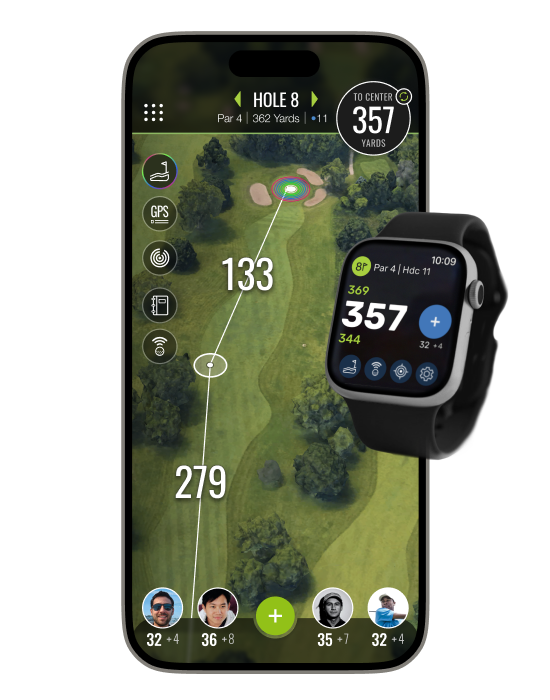
The first step in effective course management is understanding the layout of the course you’re playing. Each course has its unique characteristics—whether it’s the placement of hazards, the contour of the greens, or the firmness of the fairways. Before your round, study the course map and scorecard to familiarize yourself with key features such as par values, index holes, and major obstacles.
Strategic Tee Shots
Every hole begins with a decision on the tee box. Rather than automatically reaching for the driver, consider the safest route to the fairway that will provide the best angle to the green. Sometimes, using a fairway wood, hybrid, or even an iron for better placement is smarter than maximizing distance. The key is to avoid hazards and position yourself for an easier approach shot.
















Navigating Hazards
Avoiding hazards such as bunkers, water, and out-of-bounds areas is crucial. When faced with potential trouble, it’s important to play conservatively and choose a route that minimizes risk. For example, on a hole with water along one side, aim to the opposite side, even if it means taking a longer route to the hole. It’s better to be safe and on the fairway than to risk dropping shots with a penalty.
Approach Shots and Green Reading
As you near the green, your focus should shift to making smart approach shots. Understand the safest part of the green to aim for, considering factors like pin position, slope, and existing hazards. It’s not always about aiming directly at the flag but rather about positioning your ball to give the best chance for a putt. Once on the green, take the time to read the contours and plan your putt path, adjusting for slope and speed.

Playing to Your Strengths
Know your strengths and play to them. If you’re confident with your irons but struggle with long woods, plan your game to maximize the use of your best clubs. Similarly, if you excel in putting, getting your ball onto the green in fewer strokes can make up for weaker drives.
Mental Game and Decision Making
Good course management is as much about mental toughness as it is about physical skill. Stay patient, manage your emotions, and make decisions based on logic rather than frustration. Each shot should be made with a clear plan in mind, considering both the current shot and how it will impact the next.
Embracing these course management strategies will not only help lower your scores but also make you a more thoughtful and skilled golfer. Remember, golf is a thinking game—plan strategically, execute wisely, and adjust as necessary.