Equipment
Do White and Yellow Golf Balls Perform the Same… Here’s What We Discovered

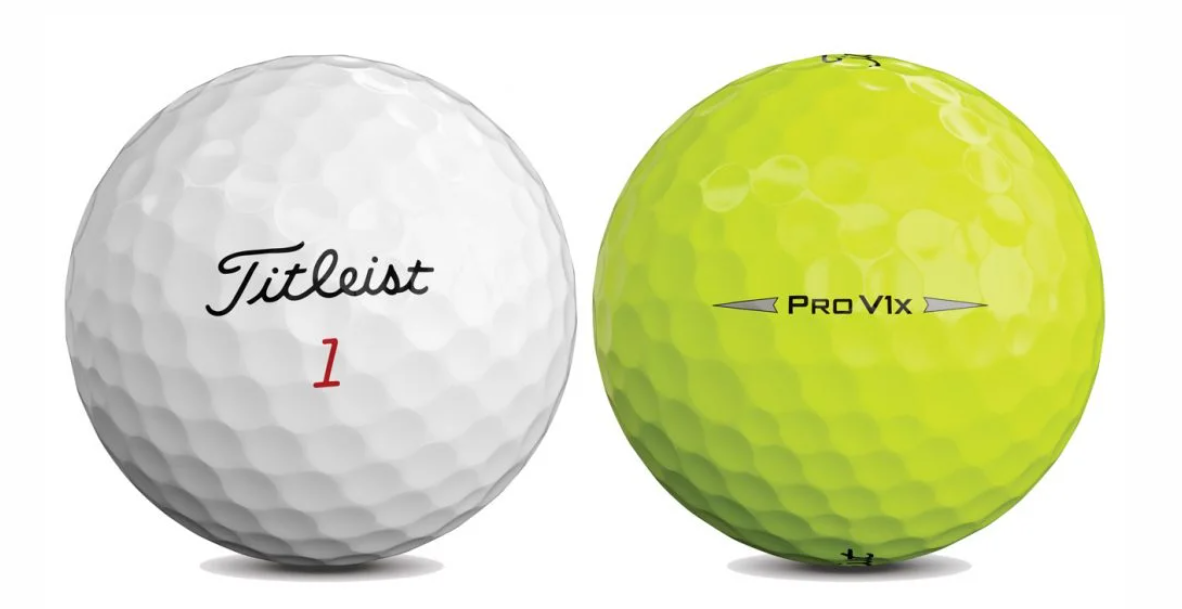
Beyond the color, is there really a performance difference between yellow and white golf balls?
I saw a story on Tommy Fleetwood changing to a ball with a different cover design, and it got me wondering if there’s a performance difference between yellow golf balls and the standard white version.
Welcome to another edition of the Fully Equipped Mailbag, sponsored by Cleveland/Srixon Golf, an interactive series in which our resident dimple head fields your hard-hitting gear questions.

We’ve seen a color explosion in the golf ball market over the last two years. Yellow remains the most popular alternative option, but it’s now common to see golfers playing balls with alignment patterns and two-tone covers, like the one found on Srixon’s Q-Star Tour Divide.
Pros have even warmed to the idea of playing with different colors and patterns as well, which is a significant shift from where we were about a decade ago. It’s safe to say the stigma that was once attached to yellow golf balls—most assumed they were designed for the range or high-handicap golfers—is no longer a thing.
Of course, it’s still natural to pick up, say, a standard Q-Star Tour and a two-tone Q-Star Tour Divide and wonder if they’ll perform the same. The covers look markedly different, but I can assure you that the ball’s performance is identical. The bright pigments you see are infused into the cover to keep things consistent across the board. Altering the ball recipe, even slightly, would be an R&D nightmare.

Having conducted plenty of ball testing on Foresight’s GCQuad with the same model in different color options, I can confirm the numbers check out from tee to green. Spin, launch, ball speed—it’s all the same.
The myriad of color options in the golf ball marketplace are primarily designed to enhance visibility, but a few serve a dual purpose, improving your alignment in the process. Some even come in matte finishes designed to reduce glare, similar to the matte crown look that’s become so popular on many drivers.
So the next time you pick up a yellow golf ball, don’t question whether it’ll check up like the identical version with the white cover resting in your golf bag. It’s not about changing the performance recipe but rather giving golfers different visual and alignment options to improve their play on the course.
PLEASE COMMENT BELOW ON WHAT COLOR BALL YOU USE AND WHY. ALSO, DO YOU FEEL ANY DIFFERENCE IN PLAYABILITY?


Equipment
When It’s Worth Getting A Club Fitting (And When It’s Not)
Is a professional club fitting the secret to lower scores or just an expensive distraction? The Golf Hacker breaks down when it’s actually worth the investment and when you should save your cash for lessons and used gear.

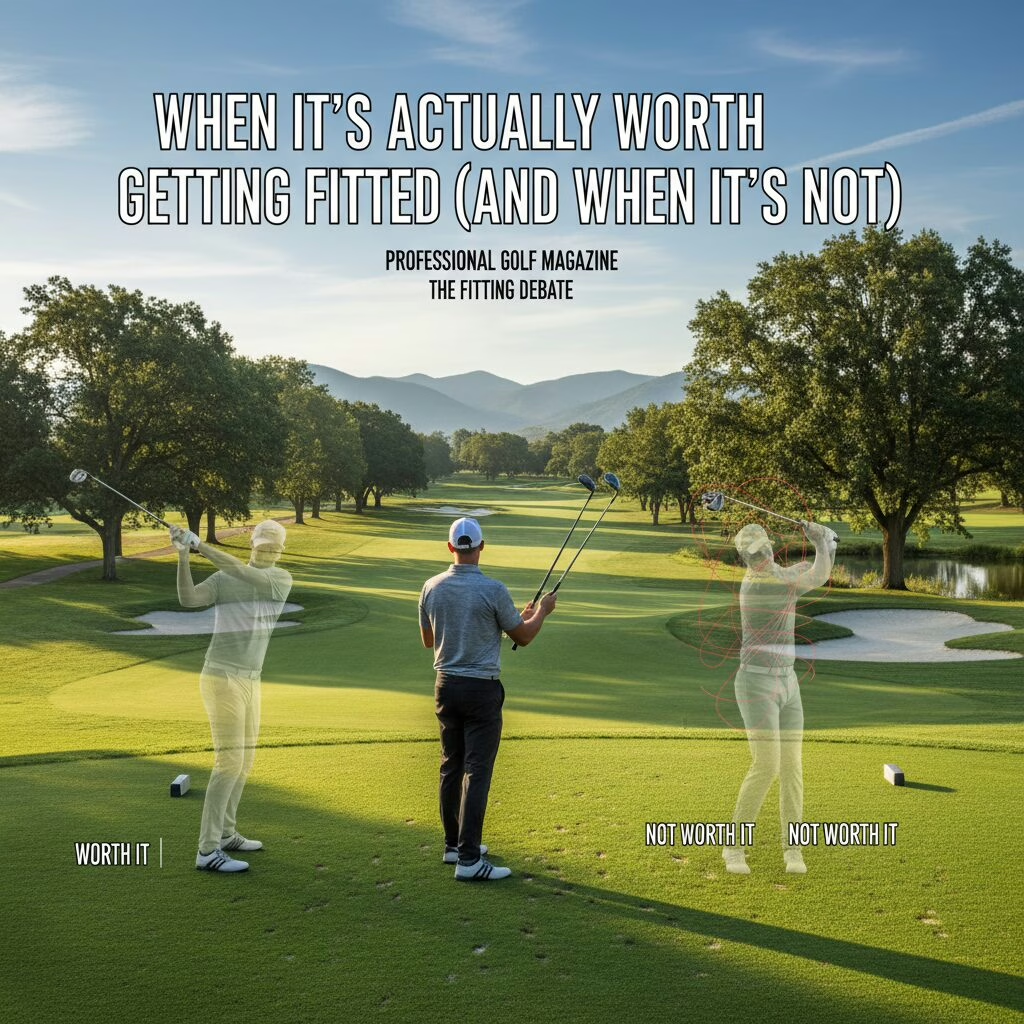
Look, I’m not going to pretend I haven’t spent hours staring at the latest $600 drivers like they’re the missing piece of my soul. We’ve all been there, standing in the middle of a big-box golf store, listening to the rhythmic thwack of someone in the hitting bay, wondering if a professional club fitting is the magic pill that finally cures our slice. But here’s the deal: golf marketing is designed to make you feel like your current gear is a collection of prehistoric sticks. The truth about when it’s actually worth dropping the extra cash on a club fitting is a bit more complicated than the sales guy wants you to believe. If you’re shooting 110 and can’t find the face of the club consistently, a custom-tuned stiff shaft isn’t going to save you—it’s just going to make your misses more expensive.
Let’s be honest, most of us are out here grinding with a swing that changes more often than the weather. One day we’re channeling our inner Rory, and the next we’re hitting hosel-rockets that threaten the safety of the beverage cart. In this guide, I want to break down the golf hacks of gear acquisition. We’re going to look at the cold, hard reality of custom fitting. Trust me on this, I’ve wasted enough money on “tour-spec” gear that I had no business swinging to know where the line is drawn. We’ll explore the specific scenarios where a fitting is a game-changer and the times when you’re better off spending that money on a bucket of balls and a lesson from the local pro.
Understanding When It’s Actually Time to Upgrade
The first thing we need to address is the “new shiny object” syndrome. We see a pro on TV hoisting a trophy with a specific brand of irons, and suddenly our perfectly functional cavity backs feel like they’re made of lead. But when it’s actually a matter of performance rather than ego, the signs are usually in your ball flight. If you are consistently hitting the ball well but seeing a flight that doesn’t match your effort—think ballooning shots that die in the wind or a persistent low hook despite a decent path—then your equipment might be fighting you. Modern equipment is incredibly forgiving, but it’s not sentient. It can’t fix a fundamental swing flaw, but it can stop punishing you for a swing that’s actually decent.
Here’s a simple rule of thumb: if you’ve reached a point where your handicap has plateaued for six months and your “good” shots aren’t yielding the results they used to, you’re in the club fitting zone. I remember when I finally got fitted for a driver after years of playing a hand-me-down from my uncle. I thought I was just a short hitter. Turns out, I was playing a shaft that was way too soft for my aggressive (read: chaotic) transition. The fitting didn’t give me a new swing, but it gave me a tool that didn’t buckle under the pressure of my mistakes. That’s one of the best golf tips I can give: stop trying to adapt your body to the club; make the club adapt to you once you have a repeatable motion.
However, if you’re still in the phase where you’re topping every third shot, a fitting is a waste of your Saturday. You need a consistent impact point before a launch monitor can tell you anything useful. If the data points are scattered all over the screen like a Jackson Pollock painting, the computer can’t find a baseline to optimize. Save that fitting fee for a three-pack of lessons. Once you can hit the center of the face at least 60% of the time, then we can talk about loft, lie angles, and spin rates.
The Myth of the ‘Standard’ Club
One of the biggest golf hacks the industry doesn’t talk about is that “standard” doesn’t actually exist. Every manufacturer has a different idea of what a standard length, loft, and lie should be. A 7-iron from one brand might be an inch longer or two degrees stronger than a 7-iron from another. This is where when it’s actually beneficial to get checked out comes into play. If you are exceptionally tall or on the shorter side, playing off-the-rack clubs is like trying to run a marathon in shoes two sizes too small. You’ll make it to the finish line, but it’s going to be miserable and you’re going to develop some nasty habits along the way.
I once played with a guy who was 6’4” and using standard-length clubs he bought at a garage sale. He had to hunch over so much he looked like he was trying to find a lost contact lens in the grass. By the back nine, his back was screaming, and his swing was a mess of compensations. A simple static fitting—measuring your wrist-to-floor height—can tell you if you need your clubs lengthened or shortened. This isn’t even a full “performance fitting,” but it’s a crucial piece of golf advice for anyone who doesn’t fit the “average” mold. You can’t build a consistent swing on a foundation of poor posture caused by ill-fitting tools.
Static vs. Dynamic Club Fitting
It’s important to distinguish between the two. A static fitting is just measurements. A dynamic fitting involves you actually hitting balls while a professional (or a very smart computer) tracks what the ball and club are doing. For the average hacker, a static fitting is often enough to get you 90% of the way there. If you’re budget-conscious, look for shops that offer free static checks when you buy grips or minor accessories. It’s a low-cost way to ensure you aren’t fighting physics before you even take a backswing.
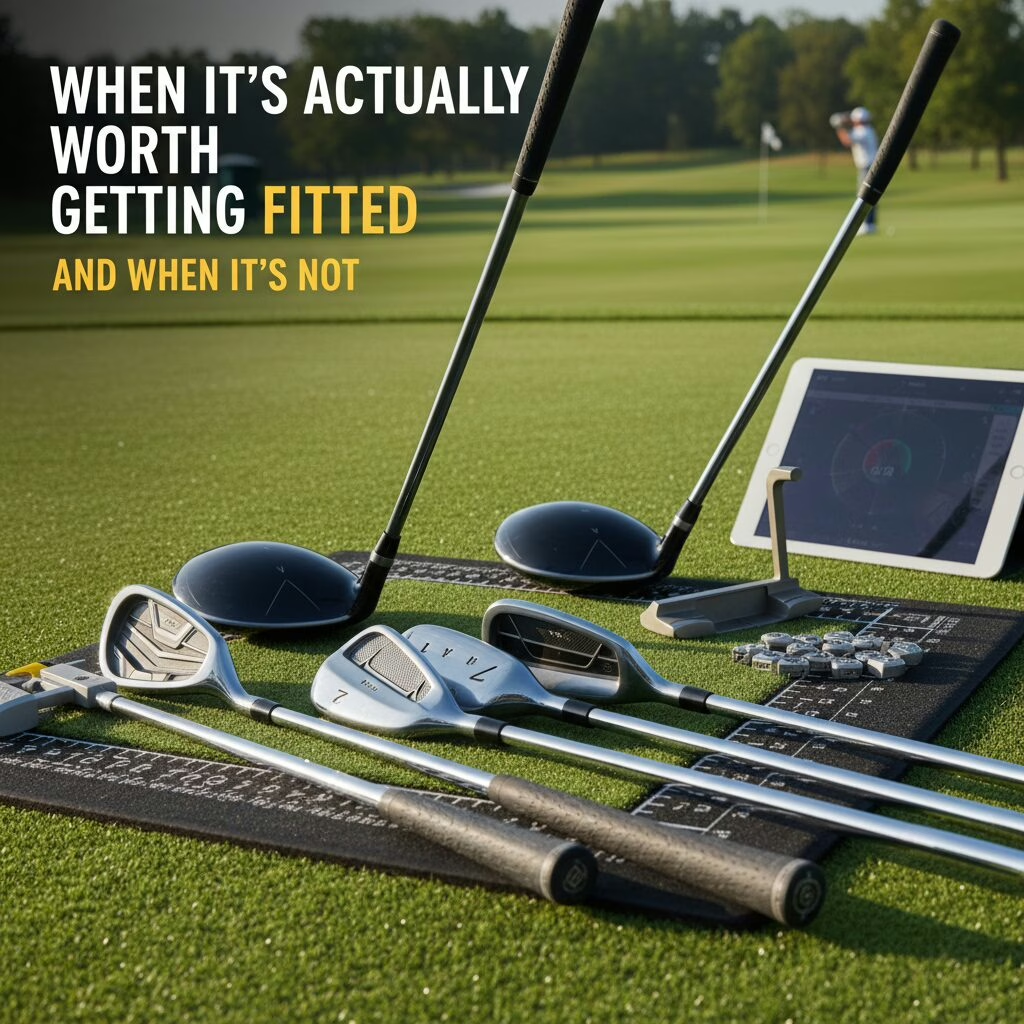
When It’s Actually Worth A Club Fitting For Your Short Game
We all want the 300-yard drive, but let’s be real: we live and die by the wedge and the putter. This is an area where most amateurs completely ignore fitting, and it’s arguably where it matters most. Think about it—you use your putter on almost every single hole. If the lie angle of your putter is off, the face might be slightly open or closed at impact even if you make a perfect stroke. This is when it’s actually worth spending an hour with a specialist. A putter fitting can reveal if you need a blade or a mallet based on your stroke arc. I used to pull every putt left until I realized my putter was too long, forcing my hands into a position that shut the face.
Wedges are another story. Most of us just grab a 52, 56, and 60 degree off the shelf and call it a day. But “bounce” is the most misunderstood word in golf. Depending on whether you play at a course with firm, tight lies or lush, soft turf, the bounce on your wedges can be the difference between a crisp chip and a chunked disaster. Getting fitted for wedges isn’t just about distance; it’s about how the club interacts with the ground. If you’re a “digger” who takes big divots, you need more bounce. If you’re a “picker,” you need less. This kind of golf advice can save you three to five strokes a round effortlessly.
Is it worth the $100 club fitting fee? If you’re serious about breaking 90, yes. The short game is about precision and feel. If your equipment is working against the physics of your local turf, you’re playing with a handicap you didn’t ask for. Plus, a putter fitting is usually cheaper than a driver fitting and the results show up on the scorecard immediately. It’s the ultimate budget-friendly move for the golfer who wants to see real improvement without rebuilding their entire swing from scratch.
The ‘Used Club’ Hack: Club Fitting on a Budget
Here’s a secret from The Golf Hacker’s playbook: you don’t have to buy brand-new $1,200 irons to benefit from a fitting. One of my favorite golf hacks is to go get a professional fitting to find out your specs—shaft lean, lie angle, shaft flex, and weight—and then go hunt for those exact specs on the used market. There are thousands of clubs from two or three years ago sitting in warehouses and garages that match your needs perfectly. You get the benefit of the data without the “new car smell” price tag that depreciates the moment you hit your first range ball.
Modern launch monitors like Trackman and GCQuad are incredible, but they don’t care if the club you’re swinging was made in 2026 or 2023. The physics of launch angle and spin remain the same. If a fitter tells you that you need a 65-gram stiff shaft with a mid-launch profile, you can find that in a dozen different models from the last five years. Don’t let the marketing hype convince you that when it’s actually time to get fitted, you have to buy the latest release. Use the fitting as a diagnostic tool for your game, not just a shopping trip.
Also, don’t be afraid to ask for your data. You paid for the club fitting session; that data belongs to you. Take a photo of the spec sheet. This allows you to be a savvy consumer. You can check secondary markets, look for sales, or even see if a local club builder can retro-fit your current set to those specs. Often, a simple lie-angle adjustment on your current irons (which usually costs about $5 per club) can produce the same results as a brand-new set of custom irons. That’s the kind of value we like to see.
There are many ways to get a club fitting. Stay tuned for more on this subject and check out this really cool modern tech from Groove Golf.
Conclusion: Making the Call
At the end of the day, deciding when it’s actually worth getting fitted comes down to your goals and your consistency. If you’re out there once a month just to drink a few beers and escape the house, don’t sweat the specs. Just enjoy the walk. But if you’re grinding at the range, watching YouTube drills until 2 AM, and genuinely trying to shave strokes off your game, equipment that fits your body is a non-negotiable. It removes the doubt from your mind. When you stand over a shot knowing the club is built for your swing, you can focus on the target instead of wondering if the ball is going to balloon into the wind.
Remember, a fitting isn’t a cure for a bad swing, but it is a cure for bad results on good swings. Start with the putter, move to the wedges, and only tackle the big sticks once you have a swing you can rely on. What are your experiences with club fitting? Did it actually change your game, or did you find it was mostly hype? Share your stories in the comments below—I want to know if that $500 driver actually kept you in the fairway or if it’s just a shiny new way to find the woods!
Blog
Why You Don’t Need New Clubs to Play Better Golf
A humorous, honest look at why new golf clubs won’t fix your game—and what will actually improve your scores. Read this before your next gear impulse buy.

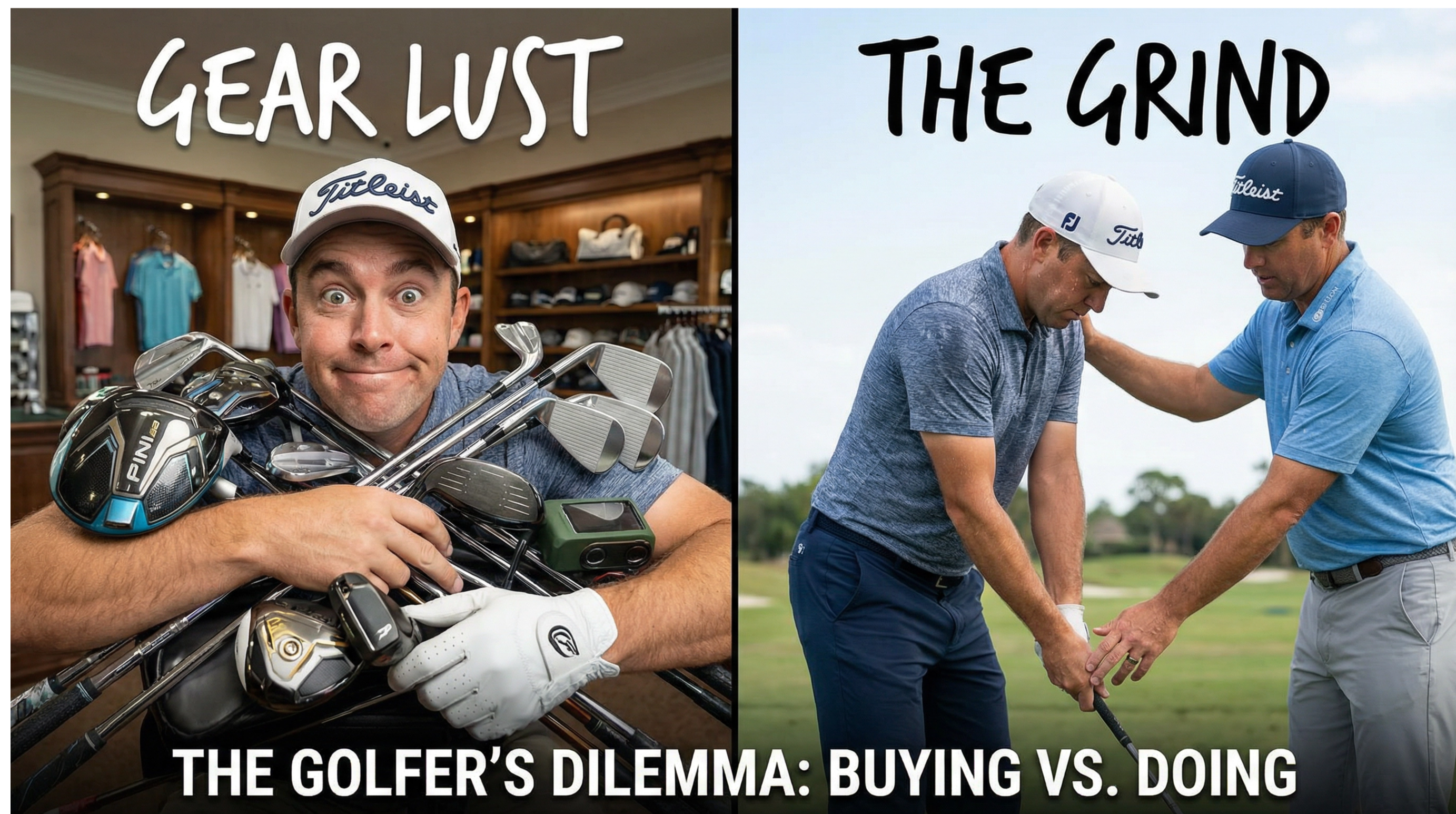
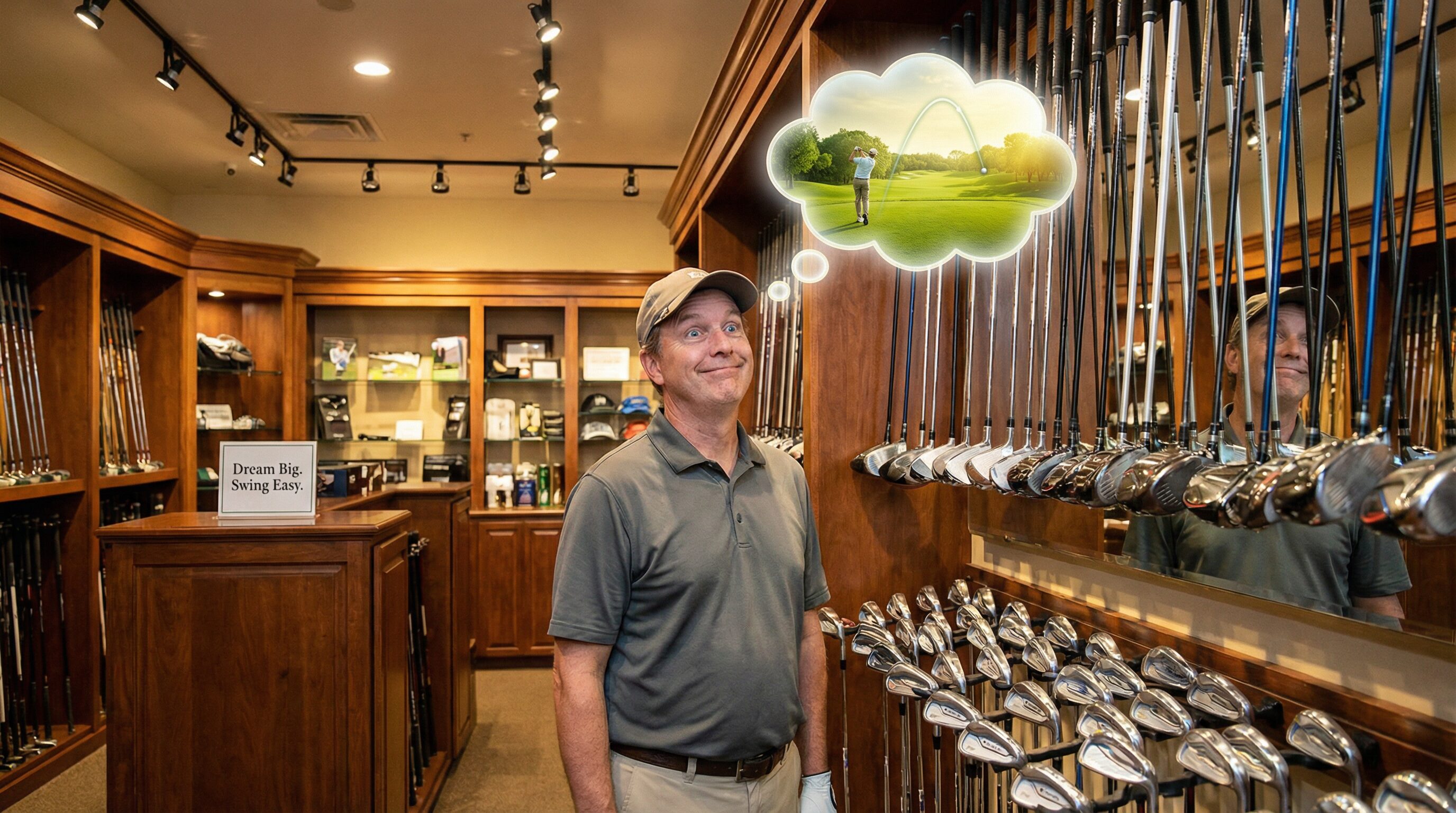
I was standing in the pro shop last Tuesday, holding a driver that cost more than my first car, when I had what you might call an epiphany. Or maybe it was just the price tag that snapped me back to reality. Either way, I put the club down and walked out without buying anything, which might be the most mature thing I’ve done all year. Here’s the thing about golf equipment: we all know, deep down in that place where we keep our honest thoughts, that new clubs aren’t going to fix our slice or magically shave ten strokes off our handicap. But we buy them anyway, because hope is a powerful drug, and the pro shop is the dealer.
The Pro Shop: Where Dreams Are Sold by the Dozen
There’s something almost spiritual about walking into a pro shop. The smell of new grips, the gleam of polished clubheads, the promise of technology that will finally unlock your potential. It’s like church, except instead of salvation, you’re buying the possibility that this driver—this one right here with the carbon fiber shaft and the adjustable hosel—will be the one that turns you into the golfer you’ve always imagined yourself to be.
And look, I get it. I’ve been there. I’ve stood in front of that wall of drivers like a kid in a candy store, convincing myself that the difference between my current game and scratch golf is just a matter of finding the right equipment. I’ve read the marketing copy about “explosive distance” and “tour-proven performance” and nodded along like it was gospel. I’ve handed over my credit card with the quiet confidence of someone who believes that this purchase will change everything.
Spoiler alert: it never does. Oh, the new driver feels amazing for about three rounds. You hit a couple of good shots and think, “This is it. This is the club that’s going to take me to the next level.” But then reality sets in. You still slice it into the woods on the fifth hole. You still chunk your approach shots. You still three-putt from twelve feet. Because here’s the uncomfortable truth that nobody in the golf industry wants you to know: your clubs are fine. It’s your swing that needs work.
The Psychology of New Clubs: Why They Feel So Good
Let’s talk about why new clubs feel so good, because there’s actually some interesting psychology at play here. When you buy a new driver or a new set of irons, you experience what psychologists call the “placebo effect.” You believe the clubs will help you play better, so you swing with more confidence, and that confidence actually does improve your performance—for a little while. It’s not the clubs that are making you hit better shots; it’s your belief in the clubs.
There’s also something called the “honeymoon effect.” Everything is better when it’s new. That new driver feels lighter, more responsive, more forgiving. You’re paying attention to every shot, analyzing every swing, because you want to see if the investment was worth it. And that attention, that focus, actually does help you play better. But it’s not sustainable. After a few rounds, the new driver becomes just another club in your bag, and you’re back to your old habits and your old scores.
Here’s the kicker: the clubs you’re using right now are probably perfectly fine. Unless you’re playing with clubs from the nineteen-eighties or your current set is wildly mismatched to your swing, the equipment isn’t your problem. Modern golf clubs are incredibly well-engineered. Even mid-range clubs from five or ten years ago are more than good enough for the average golfer. The difference between a five-hundred-dollar driver and a six-hundred-dollar driver is marginal at best, and it’s certainly not going to be the difference between shooting ninety-five and shooting eighty-five.
What Actually Improves Your Scores
So if new clubs aren’t the answer, what is? I hate to be the bearer of boring news, but the answer is the same thing it’s always been: practice, lessons, and course management. I know, I know. That’s not nearly as fun as buying a shiny new driver. But it’s the truth.
Let’s start with practice. And I don’t mean going to the range and mindlessly hitting balls until your hands blister. I mean deliberate, focused practice with specific goals. Work on your short game, because that’s where most strokes are lost. Spend time on the putting green. Practice hitting different trajectories and shot shapes. The range isn’t just a place to hit drivers and feel good about yourself—it’s a place to work on your weaknesses.
Next, lessons. I know, lessons aren’t sexy. They’re not as immediately gratifying as walking out of the pro shop with a new club. But a good teaching pro can identify the flaws in your swing and give you specific things to work on. One lesson can be worth more than a thousand dollars in new equipment. And here’s the thing: once you fix your swing, your current clubs will suddenly feel a lot better. It’s amazing how much more forgiving your seven-iron becomes when you’re actually hitting it on the sweet spot.
Finally, course management. This is the most overlooked aspect of improving your scores, and it’s also the easiest to implement. Stop trying to hit hero shots. Play to your strengths. If you can’t carry the water hazard, don’t try. Lay up, hit a wedge, and move on. Accept that you’re going to make bogeys, and focus on avoiding double bogeys. Golf is a game of minimizing mistakes, not maximizing brilliance. The sooner you accept that, the better you’ll score.
When New Clubs Actually Do Make Sense
Now, before you think I’ve gone completely anti-equipment, let me be clear: there are times when new clubs do make sense. If you’re playing with clubs that are fifteen or twenty years old, an upgrade will probably help. Golf technology has improved significantly in that time, especially in terms of forgiveness and distance. If your clubs are too long, too short, or too heavy for your swing, getting properly fitted can make a real difference. And if you’re a beginner playing with a hand-me-down set that doesn’t fit you at all, then yes, investing in a decent starter set is a smart move.
But here’s the key: if you’re going to buy new clubs, do it for the right reasons. Get fitted by someone who knows what they’re doing. Don’t just buy the clubs that look cool or that your favorite tour pro uses. And for the love of all that is holy, don’t buy new clubs thinking they’re going to fix your swing. They won’t. They can’t. Only you can fix your swing, and you do that through practice and instruction, not through retail therapy.
Also, consider buying used clubs. I know, it’s not as exciting as buying new ones, but you can get incredible deals on barely-used equipment. Golfers are constantly upgrading their clubs, which means there’s a thriving market for high-quality used gear. You can get last year’s model for half the price of this year’s model, and I promise you, you won’t be able to tell the difference. The only thing you’ll notice is the extra money in your bank account.
The Zen of Playing with What You Have
Here’s where I’m going to get a little philosophical on you, so bear with me. There’s something liberating about accepting that your clubs are fine and that the only thing holding you back is you. It removes the excuses. It forces you to take responsibility for your game. And paradoxically, once you stop blaming your equipment, you often start playing better.
Best Golf Balls For Average Golfers
I’ve played some of my best rounds with clubs that were ten years old and a putter I found in a garage sale. I’ve also played some of my worst rounds with brand-new, top-of-the-line equipment. The clubs don’t make the golfer. The golfer makes the golfer. And the sooner you internalize that truth, the sooner you can focus on what actually matters: enjoying the game, improving your skills, and spending time outdoors with people you like.
Golf is a journey, not a destination. It’s a game you can play for your entire life, and part of the beauty of that is that there’s always something to work on, always room for improvement. But that improvement doesn’t come from the pro shop. It comes from within. It comes from the hours you spend on the range, the lessons you take, the rounds you play where you focus on course management instead of trying to bomb every drive.

The Gear Trap: A Cautionary Tale
Let me tell you about my buddy Steve. Steve is a classic gear junkie. Every year, he buys a new driver. Every year, he convinces himself that this is the one that’s going to unlock his potential. He’s got a garage full of clubs, each one representing a moment of hope and optimism, and each one now gathering dust because it didn’t deliver on its promise.
Steve’s handicap has been stuck at eighteen for the past five years. Not because he doesn’t have good equipment—he’s got the best equipment money can buy. But because he spends all his time and money on clubs instead of lessons. He’d rather buy a new driver than spend an hour with a teaching pro. He’d rather tinker with his equipment than work on his short game. And as a result, he’s trapped in a cycle of buying hope and being disappointed.
Don’t be like Steve. Steve is a cautionary tale. Steve is what happens when you believe the marketing instead of the fundamentals. Steve is a good guy, and I love playing golf with him, but he’s never going to get better until he realizes that the answer isn’t in the pro shop—it’s in the practice facility.
What to Do Instead of Buying New Clubs
So you’ve got the itch to spend some money on your golf game. That’s great. Golf is an investment, and there are plenty of smart ways to invest in your improvement. Here are some alternatives to buying new clubs that will actually make a difference in your scores.
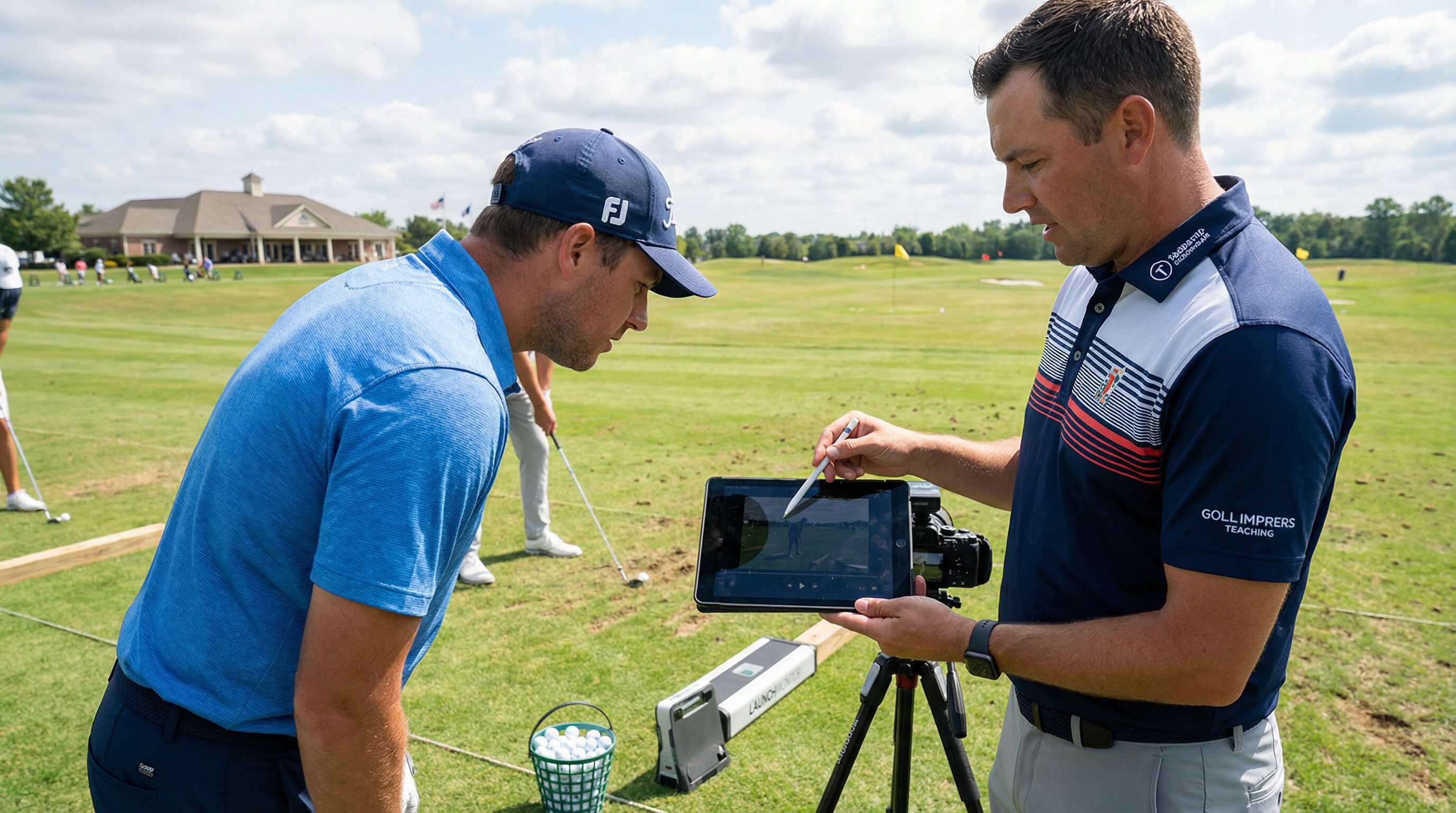
First, invest in lessons. Find a good teaching pro and commit to a series of lessons. Work on your fundamentals. Get your swing on video and analyze it. This is the single best investment you can make in your golf game, bar none.
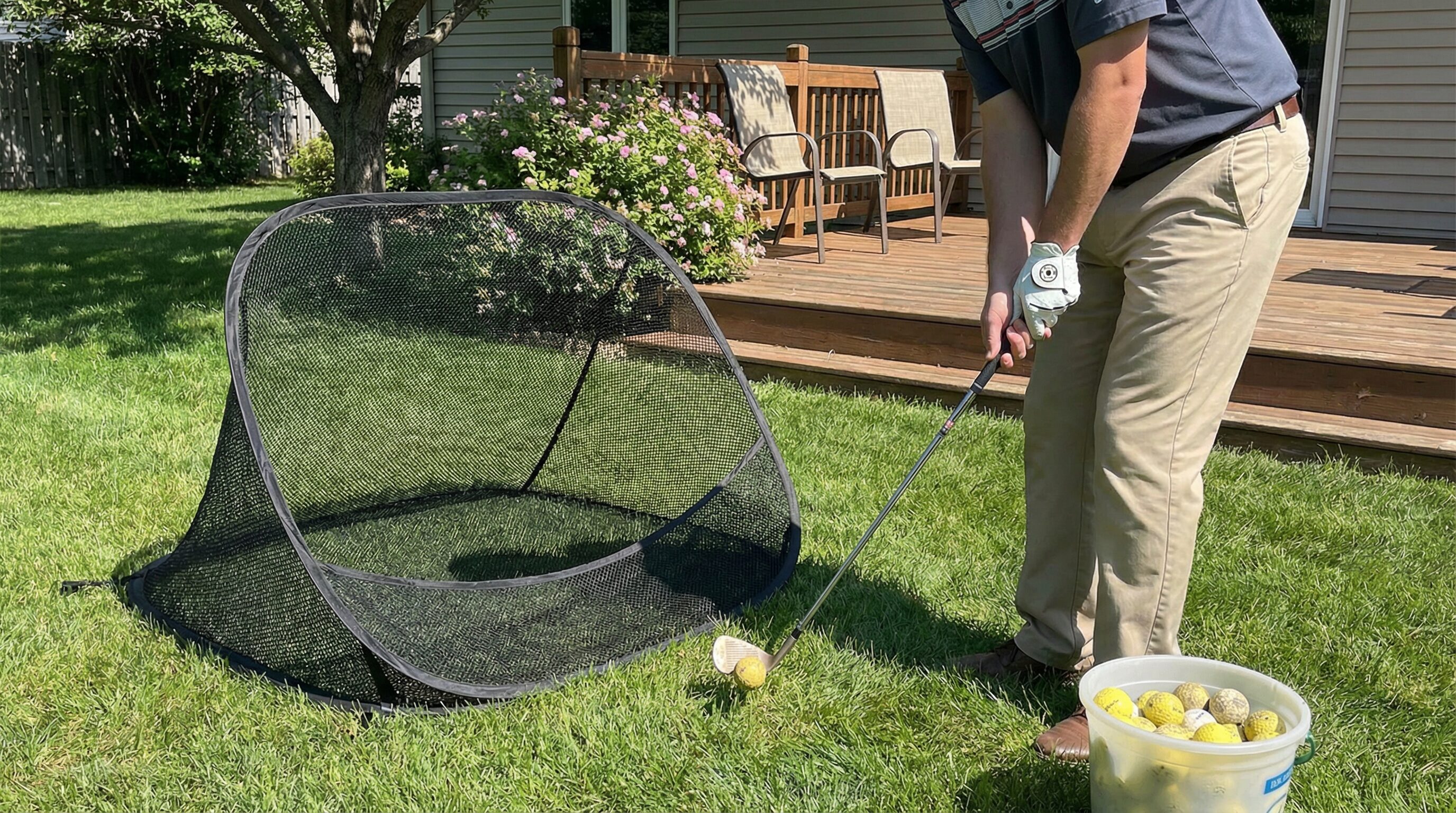
Second, invest in your short game. Buy a good wedge if you don’t have one. Get a quality putter that fits you. Spend money on practice aids like alignment sticks, a putting mirror, or a chipping net for your backyard. The short game is where you’ll see the fastest improvement, and it’s also where most golfers lose the most strokes.
Third, play more golf. Instead of spending five hundred dollars on a new driver, use that money to play ten extra rounds. The more you play, the better you’ll get. Experience is the best teacher, and there’s no substitute for time on the course.
Fourth, consider a club fitting—not to buy new clubs, but to make sure your current clubs are properly fitted to you. Sometimes a simple adjustment to your lie angle or grip size can make a big difference. A good fitter can also tell you if your current clubs are actually holding you back or if they’re fine as they are.
The Bottom Line: It’s Not the Arrow, It’s the Indian
There’s an old saying: “It’s not the arrow, it’s the Indian.” In golf terms, it’s not the clubs, it’s the golfer. I know that’s not what you want to hear. I know you’d rather believe that the solution to your golf woes is waiting for you in the pro shop, wrapped in plastic and smelling like new rubber grips. But it’s not. The solution is in the mirror.
Your clubs are fine. They’re more than fine. They’re probably better than you deserve, if we’re being honest. What you need isn’t a new driver—it’s a better swing. What you need isn’t a new putter—it’s better green-reading skills. What you need isn’t a new set of irons—it’s better course management.
And here’s the beautiful part: all of those things are within your control. You can improve your swing. You can get better at reading greens. You can make smarter decisions on the course. None of those things require spending hundreds or thousands of dollars. They just require time, effort, and a willingness to be honest with yourself about where you need to improve.
A Final Thought
The next time you find yourself in the pro shop, mesmerized by the latest driver or the newest irons, ask yourself this question: “Am I buying this because I genuinely need it, or am I buying hope?” If the answer is the latter, put the club down and walk away. Take that money and invest it in something that will actually make you a better golfer. Take a lesson. Play an extra round. Buy a dozen range balls and spend an hour working on your wedge game.
Golf is a beautiful, frustrating, humbling game. It’s a game that will test your patience, challenge your ego, and occasionally reward you with a shot so pure that you forget about all the bad ones that came before it. But it’s not a game that can be solved with a credit card. It’s a game that requires dedication, practice, and a willingness to accept that improvement is a slow, gradual process.
So embrace the clubs you have. Learn to love them. Work on your swing. Take some lessons. Play more golf. And most importantly, enjoy the journey. Because at the end of the day, that’s what golf is really about—not the equipment, not the scores, but the experience of being out on the course, challenging yourself, and spending time in the great outdoors.
Now if you’ll excuse me, I’m going to go hit some balls with my ten-year-old driver. It’s not the newest or the fanciest, but it’s mine, and I’ve learned to make it work. And that, my friends, is the secret to golf—not finding the perfect clubs, but learning to play with the ones you have.
Equipment
The Best Golf Balls for Average Golfers (And How to Choose Yours)
Stop wasting money on the wrong golf balls. This guide helps average golfers choose the right ball based on swing speed, handicap, and budget, not hype.
Let’s get something out of the way right up front: you’re probably playing the wrong golf ball. I don’t mean that as an insult—most golfers are playing the wrong ball because the golf industry has spent decades convincing us that we need tour-level equipment to play decent golf. The truth is that ninety percent of amateur golfers would benefit more from switching to a ball that actually matches their swing speed and skill level than from buying a new driver or taking another lesson. In this guide, I’m going to cut through the marketing nonsense and help you find a ball that will actually improve your game without emptying your wallet.
Why Most Golfers Use the Wrong Ball
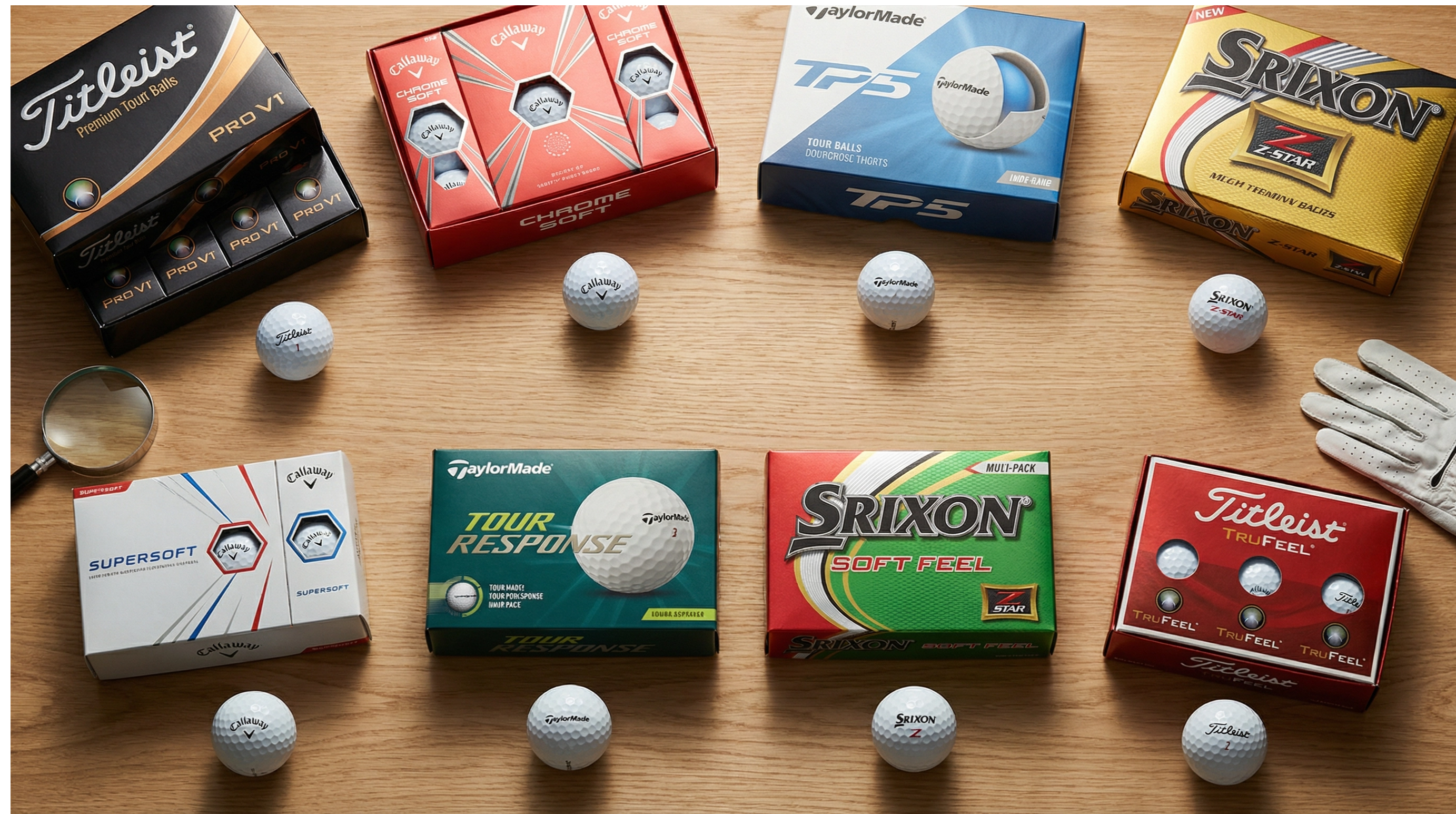
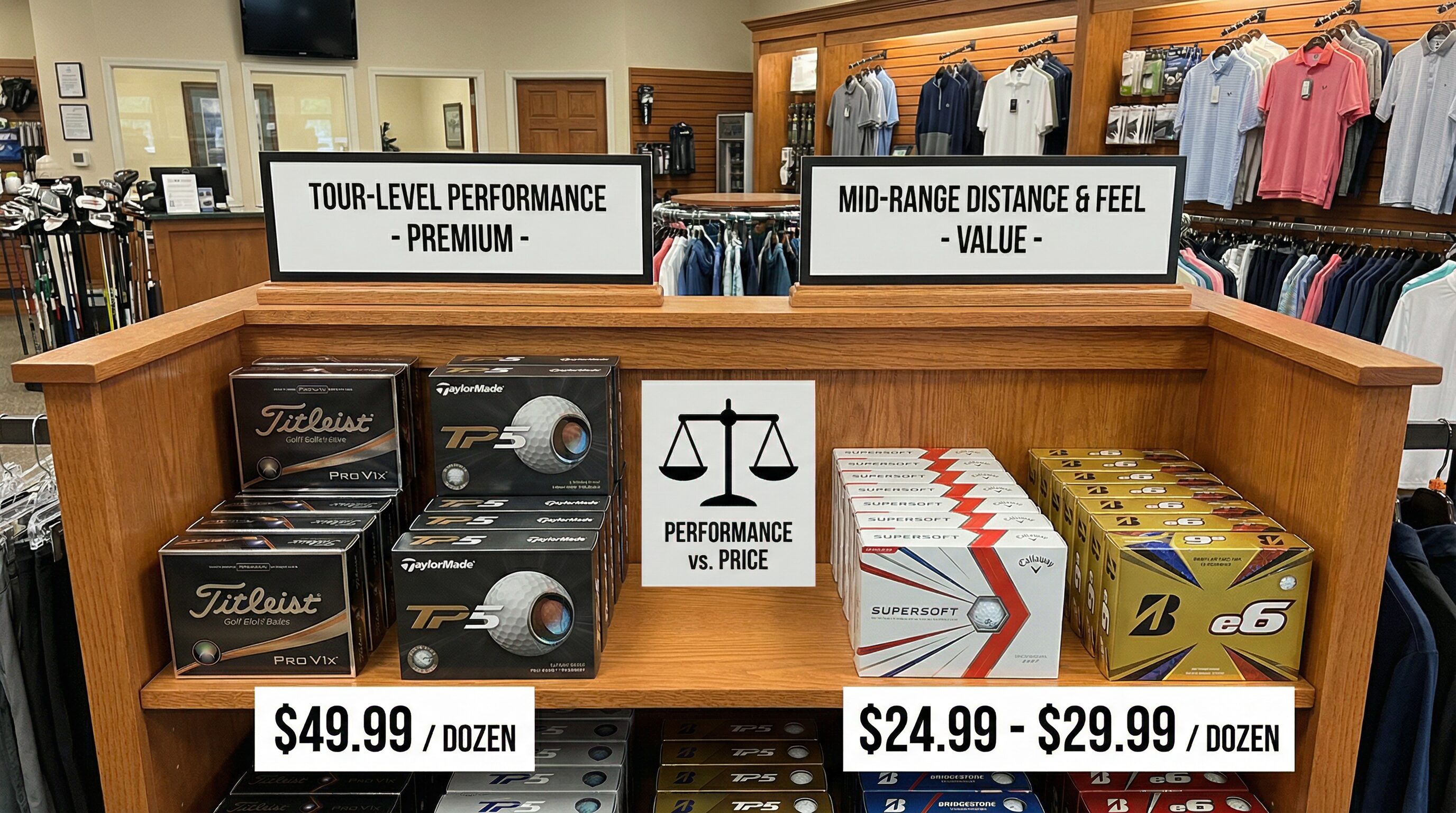
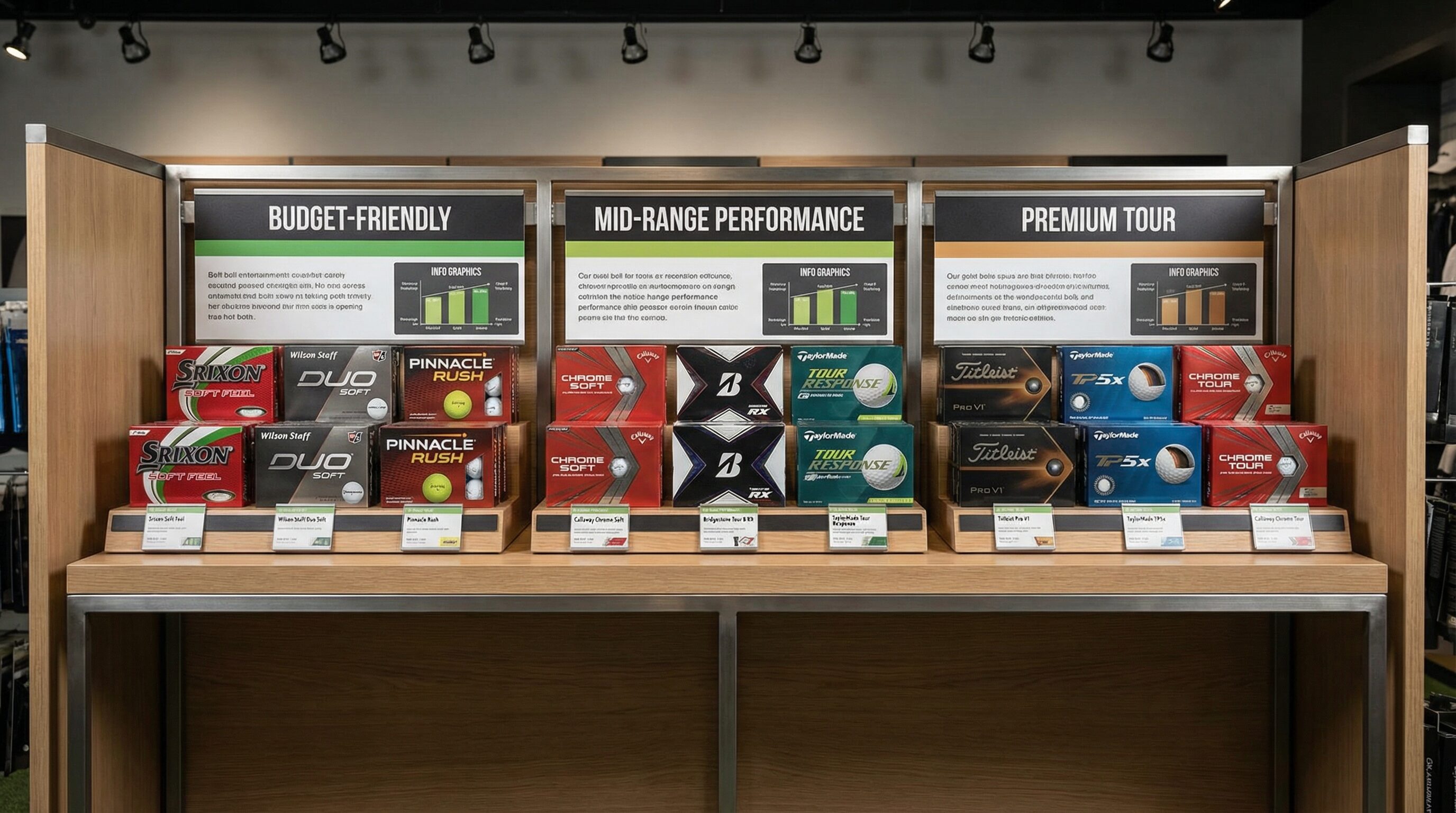
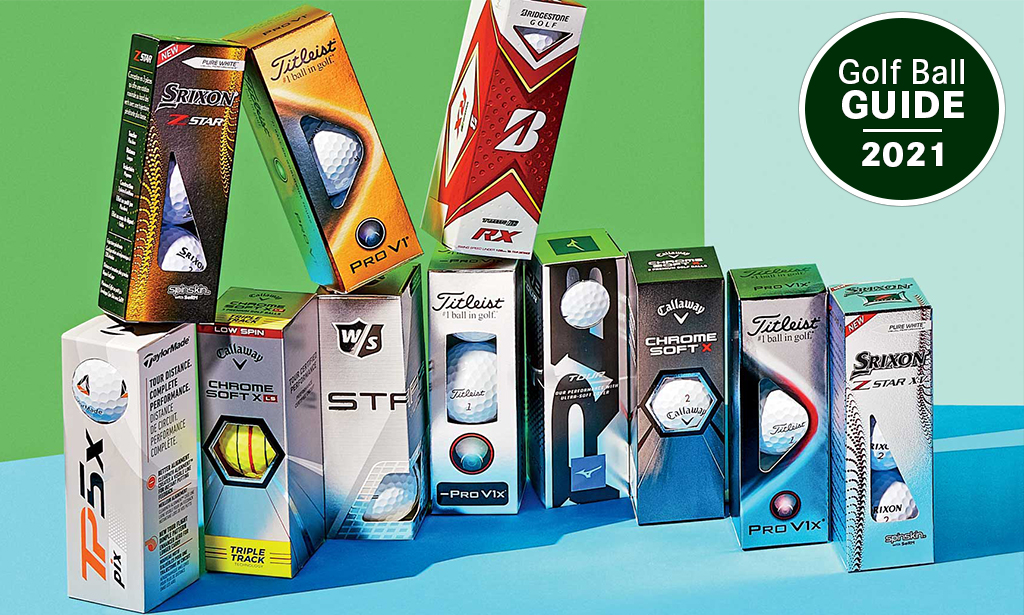
Walk into any pro shop and you’ll see walls of premium golf balls with names like “Pro V1,” “TP5,” and “Chrome Soft.” These balls cost fifty dollars a dozen or more, and they’re marketed with images of tour pros hitting perfect shots. The implication is clear: if you want to play good golf, you need these balls. But here’s what the marketing doesn’t tell you: these tour-level balls are designed for swing speeds of one hundred miles per hour or more and players who can consistently compress the ball at impact. If you’re swinging slower than that—and most amateurs are—you’re not getting any benefit from these expensive balls. In fact, you might be hurting your game.
The problem is compression. Tour balls are built with firm cores that require high swing speeds to compress properly. When you compress the ball, you maximize distance and control. But if your swing speed is in the eighty to ninety-five mile per hour range, you’re not compressing that Pro V1 enough to get its benefits. You’re essentially paying premium prices for performance you can’t access. Meanwhile, there are balls designed specifically for your swing speed that cost half as much and will give you better results. It’s one of golf’s dirty little secrets, and it’s time someone said it out loud.
What Actually Matters: Compression, Spin, and Feel
Let’s break down the three factors that actually matter when choosing a golf ball: compression, spin characteristics, and feel. Compression is a measure of how much the ball deforms at impact. Lower compression balls (around seventy to eighty) are easier to compress and work better for slower swing speeds. Higher compression balls (ninety to one hundred plus) require more speed to compress properly. If you’re not sure what your swing speed is, a good rule of thumb is that most amateur golfers with a driver swing speed under ninety-five miles per hour should be playing a lower compression ball.
Why You Don’t Need New Clubs to Play Better Golf
Spin is the next consideration, and this is where things get interesting. High spin balls give you more control around the greens, which sounds great until you realize that they also amplify your mistakes off the tee. If you slice or hook the ball, a high spin ball will make those curves more dramatic. For most average golfers, a mid-spin or low-spin ball is actually better because it reduces sidespin and keeps your drives straighter. Yes, you’ll sacrifice some greenside spin, but let’s be honest—if you’re a fifteen handicapper, you’re not spinning wedge shots back anyway. You’re better off with a ball that keeps your drives in play.
Feel is the most subjective factor, but it matters. Some golfers love the soft feel of a urethane-covered ball around the greens. Others prefer a firmer feel that gives them more feedback. The only way to know what you like is to try different balls. But here’s my advice: don’t obsess over feel until you’ve figured out compression and spin. Those two factors will have a much bigger impact on your scores than whether the ball feels slightly softer on chip shots.
Ball Recommendations by Swing Speed and Handicap
Now let’s get to the good stuff: specific recommendations. I’m going to break this down by swing speed and handicap because those are the two factors that matter most. These are balls that real golfers actually use and trust, not just whatever the tour pros are playing this week.
For Slower Swing Speeds (Under 85 MPH) and Higher Handicaps (20+):
If you’re in this category, you need a low compression ball that maximizes distance and minimizes spin. The Callaway Supersoft is the gold standard here. It has a compression rating of thirty-eight, which is incredibly soft, and it’s designed to help slower swingers get more distance. It’s also affordable, usually around twenty-five dollars a dozen. Another great option is the TaylorMade Soft Response, which has a similar compression and costs about the same. Both of these balls will give you straighter drives and more distance than any tour ball ever could.
For Moderate Swing Speeds (85-95 MPH) and Mid Handicaps (10-20):
This is where most amateur golfers fall, and this is where you have the most options. The Titleist Tour Soft is my top recommendation for this group. It has a compression of around sixty-five, which is perfect for moderate swing speeds, and it offers a nice balance of distance and control. It costs about thirty-five dollars a dozen, which is reasonable for the performance you’re getting. Another excellent choice is the Srixon Q-Star Tour, which has similar specs and costs a bit less. If you want to save even more money, the Wilson Duo Soft+ is a solid budget option that performs surprisingly well for its price point.
For Faster Swing Speeds (95+ MPH) and Lower Handicaps (Under 10):
If you’re consistently swinging ninety-five miles per hour or faster and you’re a single-digit handicapper, then yes, you can start looking at tour-level balls. The Titleist Pro V1 is the industry standard for a reason—it offers exceptional control and consistency. But it’s not the only option. The TaylorMade TP5 and Callaway Chrome Soft are both excellent alternatives that some golfers prefer for their feel or spin characteristics. These balls cost around fifty dollars a dozen, but if you have the swing speed to compress them properly, they’re worth it. Just be honest with yourself about whether you’re really in this category. If you’re not breaking eighty regularly, you’re probably better off with a mid-range ball.
Common Mistakes When Buying Golf Balls
Let’s talk about the mistakes I see golfers make when buying balls. The biggest one is buying based on what tour pros use. I can’t stress this enough: you are not Rory McIlroy. His swing speed is one hundred twenty miles per hour. Yours is probably eighty-five to ninety. What works for him will not work for you. Stop buying Pro V1s just because you see them on TV.
The second mistake is buying balls based on brand loyalty alone. Yes, Titleist makes great balls, but so do TaylorMade, Callaway, Srixon, and others. Don’t limit yourself to one brand just because that’s what you’ve always played. Try different options and see what works best for your game. You might be surprised.
The Ultimate Guide to Buying Used Golf Clubs
The third mistake is not considering your budget realistically. If you lose three balls per round, you’re going through three dozen balls a month. At fifty dollars a dozen, that’s one hundred fifty dollars a month on golf balls. That’s insane. There’s no shame in playing a twenty-five dollar ball if it means you can afford to play more often. In fact, I’d argue that playing more often with cheaper balls will improve your game more than playing less often with expensive balls.
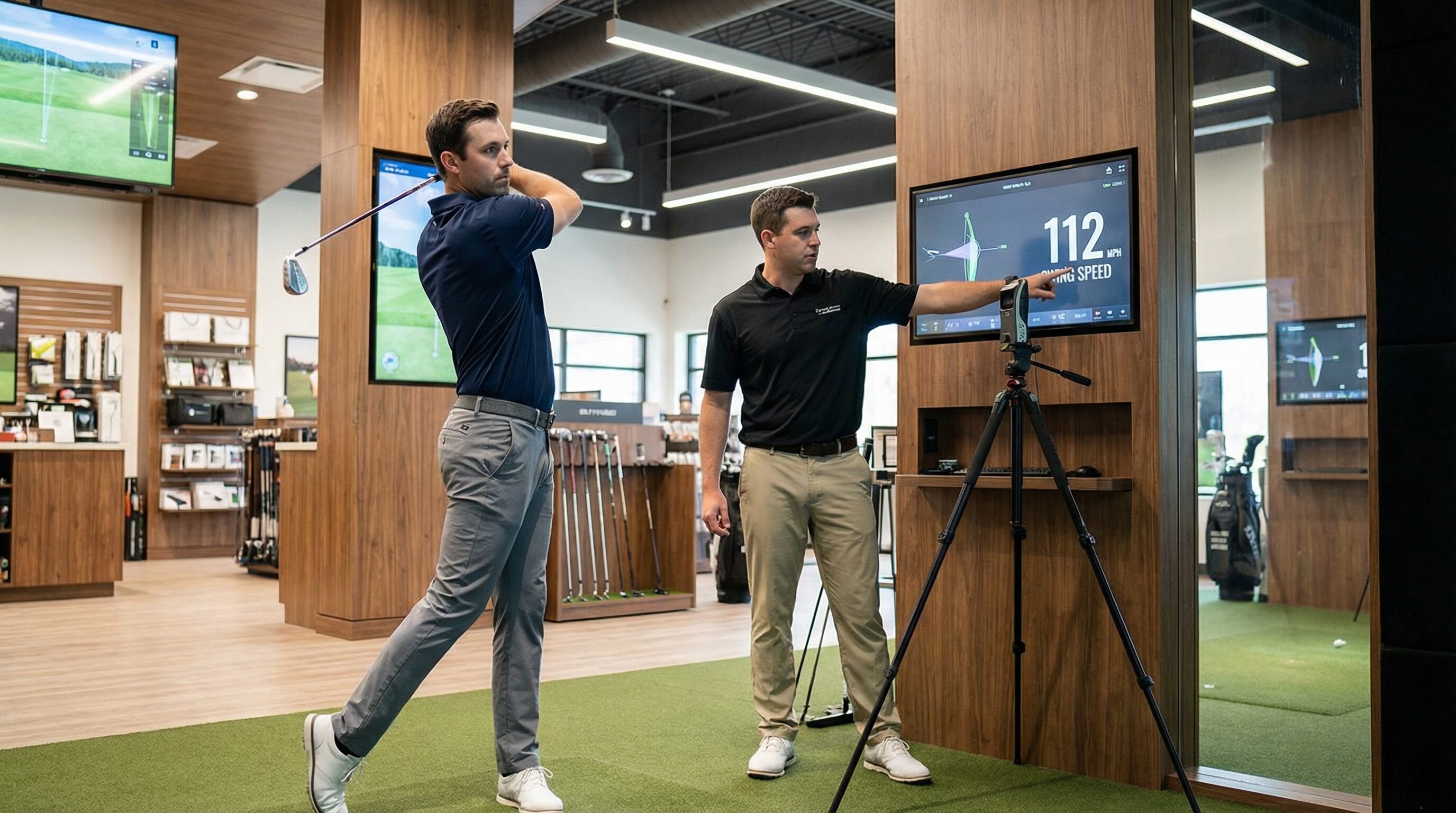
The fourth mistake is ignoring swing speed. I’ve said it before, but it bears repeating: if you don’t know your swing speed, you’re guessing. Most golf shops and driving ranges have launch monitors that can measure your swing speed in about five minutes. Get it measured. It’s free, it’s fast, and it will save you from wasting money on the wrong balls.
A Simple Decision Framework
Here’s a simple framework to help you choose the right ball. First, figure out your driver swing speed. If you don’t have access to a launch monitor, you can estimate based on how far you hit your driver: if you’re hitting it two hundred yards or less, you’re probably under eighty-five miles per hour. If you’re hitting it two hundred to two hundred thirty yards, you’re probably in the eighty-five to ninety-five range. If you’re hitting it over two hundred forty yards, you’re probably over ninety-five.
Second, consider your handicap and your biggest weakness. If you’re a higher handicapper who struggles with slicing or hooking, prioritize a low-spin ball that will keep your drives straighter. If you’re a lower handicapper who wants more control around the greens, you can afford to play a higher spin ball.
Third, set a realistic budget. Decide how much you’re willing to spend per dozen and stick to it. There are good balls at every price point, so don’t feel like you need to spend fifty dollars to get decent performance.
Finally, buy a sleeve or two of a few different balls and test them. Play a round with each one and see which one gives you the best results. Pay attention to distance off the tee, accuracy, and how the ball feels around the greens. The ball that performs best for you might not be the one you expected.
The Truth About Premium Balls
Let me be blunt about premium balls: they’re amazing if you have the swing speed and skill to use them properly. But for most golfers, they’re overkill. It’s like buying a Ferrari to drive in city traffic. Sure, it’s a great car, but you’re never going to use its full capabilities. A Pro V1 is a phenomenal golf ball, but if you’re not compressing it properly, you’re wasting your money.
Here’s another truth: the difference between a thirty-five dollar ball and a fifty dollar ball is much smaller than the difference between a twenty-five dollar ball and a thirty-five dollar ball. In other words, you get diminishing returns as you move up in price. For most golfers, the sweet spot is in the twenty-five to thirty-five dollar range. That’s where you get the best performance for your money.
What About Used and Refurbished Balls?
This is a question I get all the time, and my answer is: it depends. If you’re buying used balls, make sure they’re in good condition. Look for balls graded as “mint” or “near mint” with no visible scuffs or cuts. A ball with a cut or deep scuff will not perform the same as a new ball, no matter how cheap it is.
Refurbished balls are a different story. These are balls that have been cleaned and sometimes repainted. The problem is that the refurbishing process can affect the ball’s performance, especially if the outer layer has been altered. I generally recommend avoiding refurbished balls unless you’re just practicing or playing a casual round where performance doesn’t matter as much.
If you want to save money, a better option is to buy last year’s model. Golf ball technology doesn’t change dramatically from year to year, and you can often find last year’s premium balls at mid-range prices. That’s a much better value than buying refurbished balls.
Stop Overthinking It
Here’s the bottom line: the golf ball matters, but it’s not going to fix your swing. If you’re slicing the ball thirty yards into the woods, switching from a Pro V1 to a Supersoft isn’t going to magically straighten out your drives. But it will help a little, and those little improvements add up.
The best ball for you is the one that matches your swing speed, fits your budget, and gives you confidence when you tee it up. It doesn’t have to be the most expensive ball on the market. It doesn’t have to be what the tour pros play. It just has to work for your game.
So stop buying balls based on marketing hype. Stop trying to play the same ball as Rory or Tiger. Figure out your swing speed, set a realistic budget, and choose a ball that’s designed for golfers like you. I guarantee you’ll see better results, and you’ll probably save money in the process.
Now get out there and play. And when you hit that drive down the middle of the fairway with a ball that actually fits your game, you’ll know exactly what I’m talking about.


When It’s Worth Getting A Club Fitting (And When It’s Not)
Best Golf Balls for 95–105 MPH Swing Speed (2026)

How to Build a Practice Routine for Real On-Course Scoring


-
 Product Review6 years ago
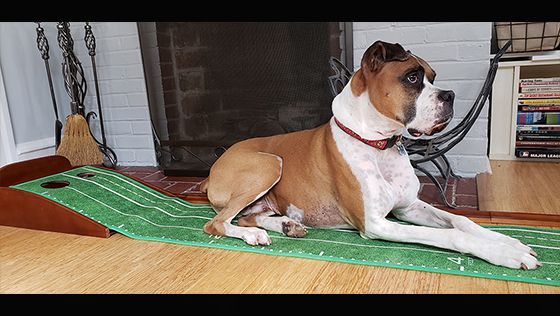
The Perfect Practice Putting Mat Review by Jason Tenzer
-
 Blog5 years ago
Loophole Rule Offers PGA Tour Pros a Mulligan
-
Blog5 years ago
2021 Buyer’s Guide: The Top 10 Value Golf Balls For Distance & Feel
-
Blog5 years ago
Golf Marriage Counselor
-
 Product Review7 years ago
THE ADJUSTABLE IRONS: WALKING STICKS GOLF CLUBS
-
 Blog7 years ago
9 Biggest Chokes Of The Past Decade
-
Blog5 years ago
What Your Golf Clubs Say About You
-

 Golf News3 months ago
The latest news in golf